The inheritance tax changes introduced in the Autumn Budget, the restructuring of business property relief and the abolition of the non-dom regime have arrived simultaneously – and for many families, they have turned succession planning from a conversation they intended to have into one they can no longer postpone.
The stakes are considerable. Research by Nedbank Private Wealth found that only around 30 per cent of family businesses survive the transition from the first generation to the second; only ten per cent survive a further generational transfer. This is exacerbated by the complexity of the landscape in which those transitions now take place – more jurisdictions, more asset classes, more divergent values between generations and a tax environment that punishes delay.
[See also: The Spear’s Wealth Management Indices 2026]

Trends in 2026
The question of who next-generation clients listen to
The assumption that inheritors turn first to their wealth managers and private bankers is, it turns out, not quite right. The 2026 UBS Global Next Generation Report found that 27 per cent of next-generation respondents named peers as their most important source of advice when making succession planning decisions – ahead of wealth managers and private banks at 21 per cent. The finding does not diminish the importance of professional advisers but it does reframe their challenge: to be present in a client’s life early enough and trusted deeply enough, that they are part of the conversation before the decision has been made.
Related




Iraj Ispahani takes a deliberately independent stance – acting as a family’s eyes and ears, integrating what every other adviser in the network does, without managing assets or taking commissions. His view is that the next generation must be genuinely included in family conversations, not merely invited to attend them: the agenda itself has to be designed in a way that allows them to contribute meaningfully.
Beyond the financial
The most consequential conversations in this area of advisory are not often about investment returns or tax structures. They are about identity: what it means to inherit wealth you did not create, what responsibility comes with it and what kind of family you want to be when the founder is no longer at the centre of it.
Erika Clegg, whose advisory practice focuses on generational handovers in family businesses, observes a persistent tension between established leadership and incoming generations. ‘Young people come in and of course they’re like, what is the purpose? I’ve got to earn a salary, got to be looked after, got to have good conditions. But also I want a sense of purpose, a sense that I’m contributing to something important.’ Her approach begins from within: ‘I tend to like to make sure that the very senior leaders I’m dealing with are comfortable with their own principles and their own sense of purpose before we start looking broader. If you haven’t done that work, you don’t really have a sound foundation for the rest of it.’
Kedge Martin of KM Advisory identifies a related challenge at the moment of exit. ‘The biggest problem entrepreneurs often have after selling their businesses is finding a renewed sense of purpose.’ Helping clients answer that question, she argues, is as important as any structural or financial advice they will ever receive.
Content from our partners



Legacy as something more than inheritance
The generational wealth conversation has broadened considerably. Legacy, in 2026, means more than passing assets from one generation to the next. It means reputation, values, philanthropy and the long-term story a family tells about itself. As Zita Verbényi of The Legacy Atelier observes, younger members of multi-generational business families understand this intuitively: ‘They very clearly see legacy as reputational capital. They know that they can then capitalise upon these legacies and harness them in the long run so that their businesses thrive.’ Her work – uncovering what a family’s legacy actually is, helping them reflect on how they relate to it today and building strategies to protect and project it into the future – represents a growing discipline within this index.
[See also: Heirs apparent: When legacy becomes reputational capital]
Beatrice Giribaldi Groak, who works with families on legacy, reputation and governance, notes that families which establish clear operating rules and respect privacy tend to maintain continuity across generations, while those that do not are more vulnerable to the fragmentation that wealth transitions so often bring.
Explore the other rankings within the 2026 Spear’s Wealth Management Indices:
- Best UHNW Wealth Managers
- Best HNW Wealth Managers
- Best Wealth Planners
- Best Wealth Managers: Jersey
- Best Wealth Managers: Guernsey
- Best Wealth Managers: Switzerland
- Best Wealth Managers: Middle East
- Best Family Office Advisory & Consultancy
- Best Family Office Banking & Investment Services
On the question of structure, Doris Sommavilla of Stonehage Fleming is clear that not every family needs the same solution. ‘From $250 million, they might think about having a single family office. If it’s lower, it’s rather better they outsource services to us.’ She cautions against setting up a family office for its own sake: ‘If a family of $30 million comes to me and says, I want a single family office with fully internalised activities, including investment activity, then I will say to the family that it’s not going to be cost effective – it’s going to eat into your capital.’
The professionals featured in the 2026 Index are assessed by the Spear’s Research Unit across the full breadth of this work: governance, succession, family dynamics, philanthropy, legacy and the complex personal conversations that sit behind all of it.
Click the links below to jump to a section of this article:
- Methodology
- The best generational wealth and family business advisers: some names to know
- The best generational wealth and family business advisers: the complete list
- Contact us
Methodology
Each year, the Spear’s Research Unit reassesses and refreshes its rankings of the leading providers in each sector by gathering data from and about the advisers and firms themselves, assessing submission forms, collating nominations, carrying out peer reviews, reviewing data from third-party sources, gathering references and recommendations, canvassing experts and conducting hundreds of interviews.
Advisers are evaluated using a proprietary scoring system that assigns different weightings to certain attributes. These scores feed directly into each new set of rankings in the Spear’s Indices. Each of these indices are published first online (according to the research calendar) and then in print. Print publication takes the form of the annual Spear’s 500 directory, which includes the top advisers in every index.
[See also: A guide to The Spear’s 500: Everything you need to know]
Each featured adviser is profiled on spears500.com. The site allows users to search the Spear’s database of more than 4,000 entities to find one (or more) to meet their specific requirements by filtering for specific attributes such as an adviser’s location, their specialist expertise and information about their client base.
The best generational wealth and family business advisers: some names to know
Matthew Fleming
- Focus: Family governance and succession
- Ranking: Top Flight
- Firm: Stonehage Fleming
Matthew Fleming, head of family governance and succession at Stonehage Fleming, supports clients in creating strategies for intergenerational success. ‘Our starting point is to help families understand and articulate to each other the purpose of their wealth,’ he explains. ‘This gives them a framework for decision-making and a reference point for measuring whether decisions are good or bad.’
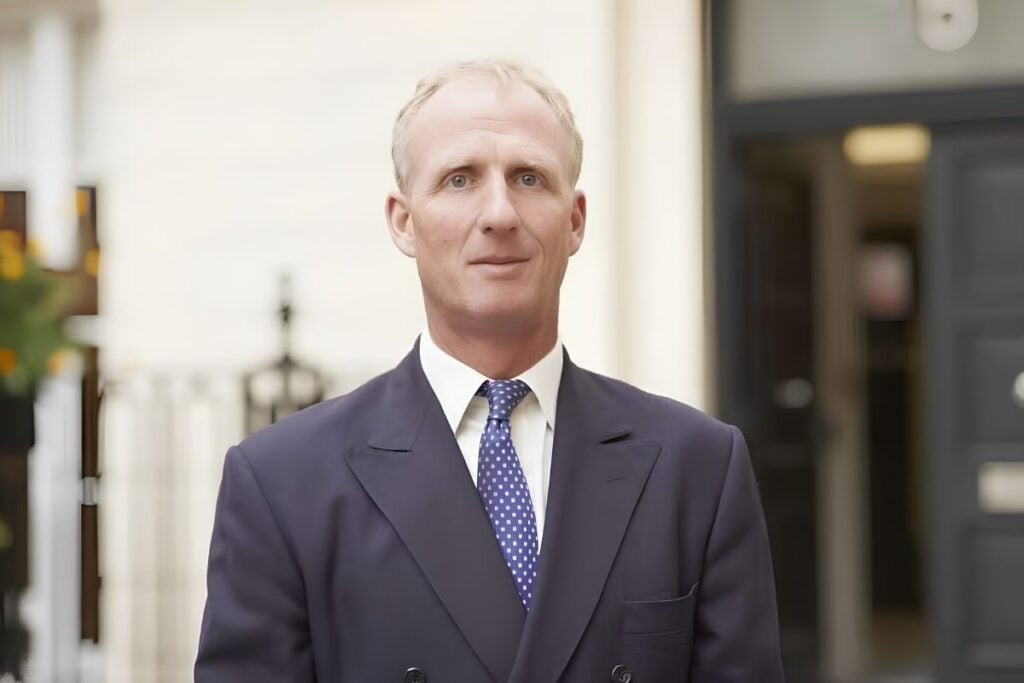
Stonehage Fleming provides clients with advice on wealth, trusts, management of art and other assets, treasury, philanthropy and more. But, as Fleming reveals in a wide-ranging interview with Spear’s, the crux of the firm’s service is its ability to offer advice on the management of families themselves.
Read Matthew Fleming’s full profile at Spears500.com
Beatrice Giribaldi Groak
- Focus: Digital, reputational and legal risk
- Ranking: Recommended
- Firm: Rovero Advisors
Beatrice Giribaldi Groak is the founder of Rovero Advisors, which she established in 2023 after senior roles at Lansons, Digitalis and Highgate. A third-generation member of a prominent business family, it was her own experience that shaped her professional focus – she was, as she puts it, ‘the one to start thinking about questions of legacy for my grandfather’.
Trilingual in English, French and Italian, she advises private clients and families on reputation, risk and legacy across generations. She quickly identified that few advisers were explicitly helping families connect legacy with reputation, and built her practice around closing that gap. ‘Families and family offices have a greater sense of legacy than active individuals in business, but I’m not sure how often they associate it with reputation. For me, they’re one and the same.’
Read Beatrice Giribaldi Groak’s full profile at Spears500.com
Kedge Martin
- Focus: Next-gen and purposefulness
- Ranking: Top Flight
- Firm: KM Advisory
Kedge Martin, who is promoted to Top Flight is this year’s ranking, is founder and chief executive of KM Advisory, an agency that works with individuals and families to resolve the issues that can come with sudden wealth or family business and succession disputes.
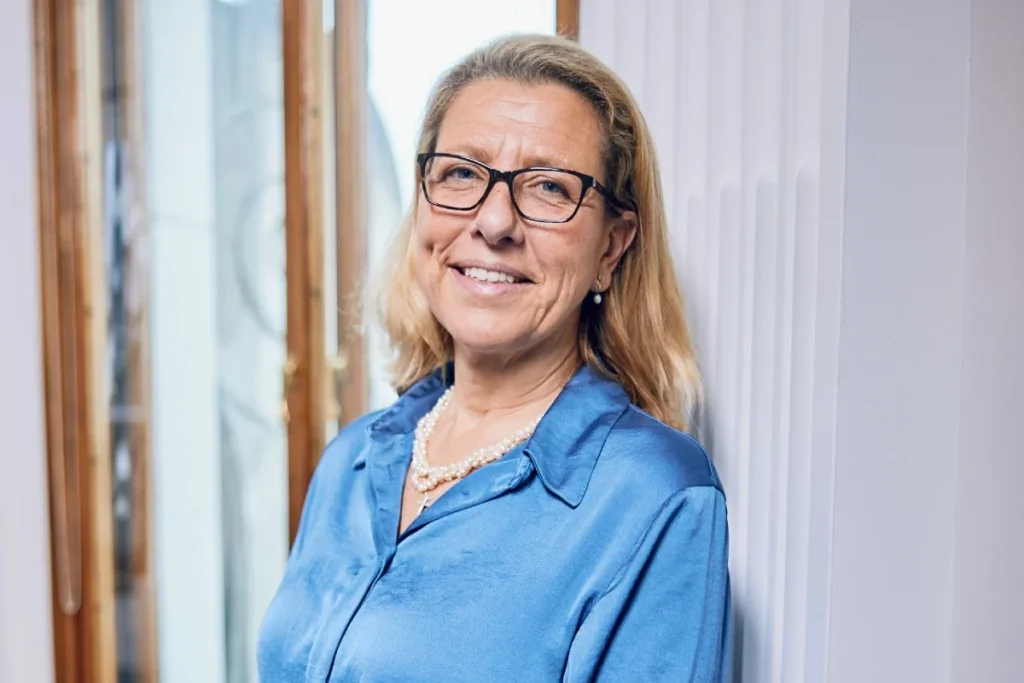
‘The biggest problem entrepreneurs often have after selling their businesses is finding a renewed sense of purpose,’ she tells Spear’s.
Read Kedge Martin’s full profile on Spears500.com
Iraj Ispahani
- Focus: Impact, philanthropy and governance
- Firm: Ispahani Advisory
- Ranking: Top Flight
As a seventh-generation member of the family that founded the Ispahani Group, Iraj Ispahani knows a thing or two about family business, family dynamics and the challenges that wealth holders face.
Ispahani held leadership roles at J.P. Morgan and Korn Ferry before joining the board of the family business. The experience of ‘responsible wealth ownership’ he gleaned has been instrumental in shaping his approach at Ispahani Advisory. It’s here that he and his team of consultants counsel wealth owners on family business strategy, governance, strategic philanthropy, education and family wellbeing.
Read Iraj Ispahani’s full profile on Spears500.com
Nic Arnold
- Focus: Fiscal governance
- Ranking: Top Recommended
- Firm: JTC Group
Nic Arnold joined JTC Group in 2021 as the UK head of JTC Private Office.
The private office team provides consulting services and outsourced family office services. Arnold has a particular focus on the ownership of complex assets, such as aircraft, yachts and art. She also advises families on trust structuring and generational wealth transfer.
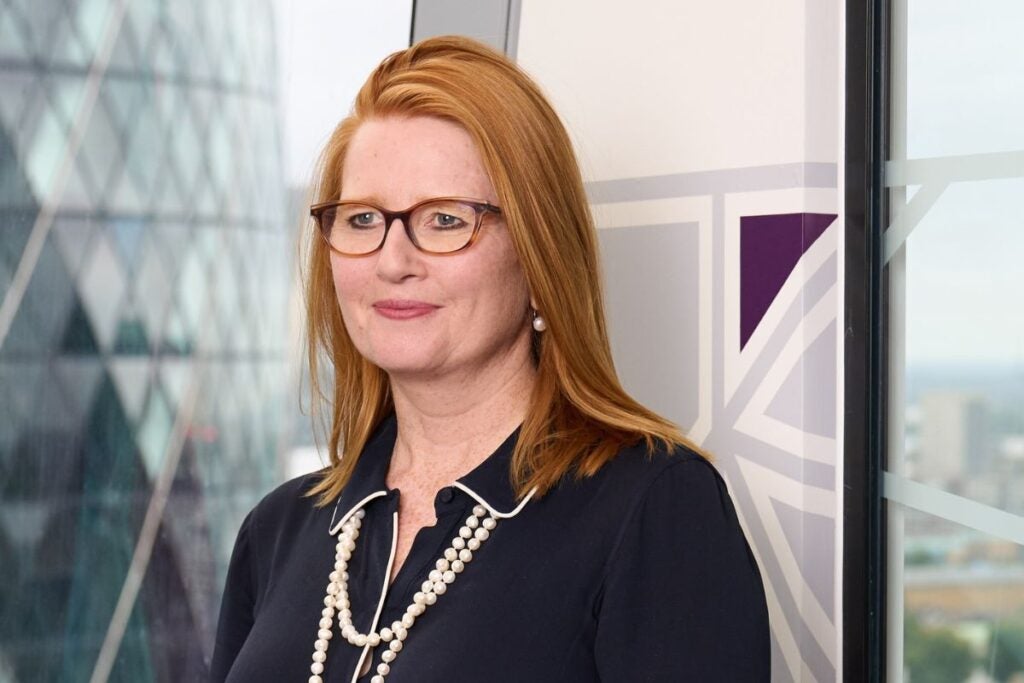
She says: ‘Our three key services are family governance, and I use the phrase quite broadly, because that is governance over the whole of family life. [The second is] luxury asset consulting, and the third is succession planning and next-gen education.’
Read Nic Arnold’s full profile at Spears500.com
The best generational wealth and family business advisers: the complete list
Click on the individual names to be directed to more detailed profiles of each adviser on The Spear’s 500 website. The table is ordered by ranking and then alphabetically by surname.
Contact us
- To apply for inclusion in The Spear’s 500, complete our submission form.
- For further information about rankings, please email research@spearswms.com; we aim to respond to all queries within two working days.
- For commercial enquiries and questions relating to enhanced profiles, please contact: sales@spearswms.com
- To keep up to date with the Spear’s 500, subscribe to our magazine, newsletter and follow Spear’s on Linkedin and Instagram.
- If you have missed calendar deadlines for our research cycles in 2026, you can still register your interest for updates about upcoming research and rankings.
- Click here to order a print copy of The Spear’s 500.