Ad-woman turned philanthropist Gail Gallie caught up with Spear’s to discuss her shift from advertising and broadcasting to climate philanthropy, and her mission to use culture and creativity to mobilise capital for environmental impact.
‘I started my career in advertising.
I did a stint in political advertising, which made me really interested in media, and that’s what made me jump into the BBC. I led the marketing for Radio 1, Radio 3, and worked on BBC News too. At the BBC, I got a real sense of public work and the importance of connecting to mainstream audiences.
I then briefly went back to ad agency-land as a CEO at Fallon, which is when I realised I wanted to do stuff for the world that was more impactful and use the power of creativity as a driver for change. It has become a common thread through everything I do; I learned that human beings respond to creativity far more than to just numbers.
Related

[See also: Why UHNW donors are turning to unrestricted trust]
My journey into philanthropy and impact all started with a serendipitous meeting with Kate Garvey, Tony Blair’s former diary secretary, who had come out of a career in political policy and advocacy.
We agreed we’d do something together, which is when we met Richard Curtis, the filmmaker. The three of us took a brief from the UN to help launch Project Everyone, an initiative designed to promote and raise awareness of the Sustainable Development Goals, also known as the 17 Global Goals, which is the UN global agenda to end poverty and protect the planet. I worked on that for the next decade.
While working on that project, I learned that less than 2 per cent of the world’s wealth is what is needed to transition from our extractive system to a sustainable one. That’s privately held capital – capital that could move. But philanthropy alone will never be able to provide for that. Private investment could. So we set about trying to get the attention of the investment class.
Content from our partners


While I was looking for inspiration, the Met Gala happened and I thought, ‘That’s it.’ I realised we needed to create a flagship event to bring together glamour and culture for a common purpose.
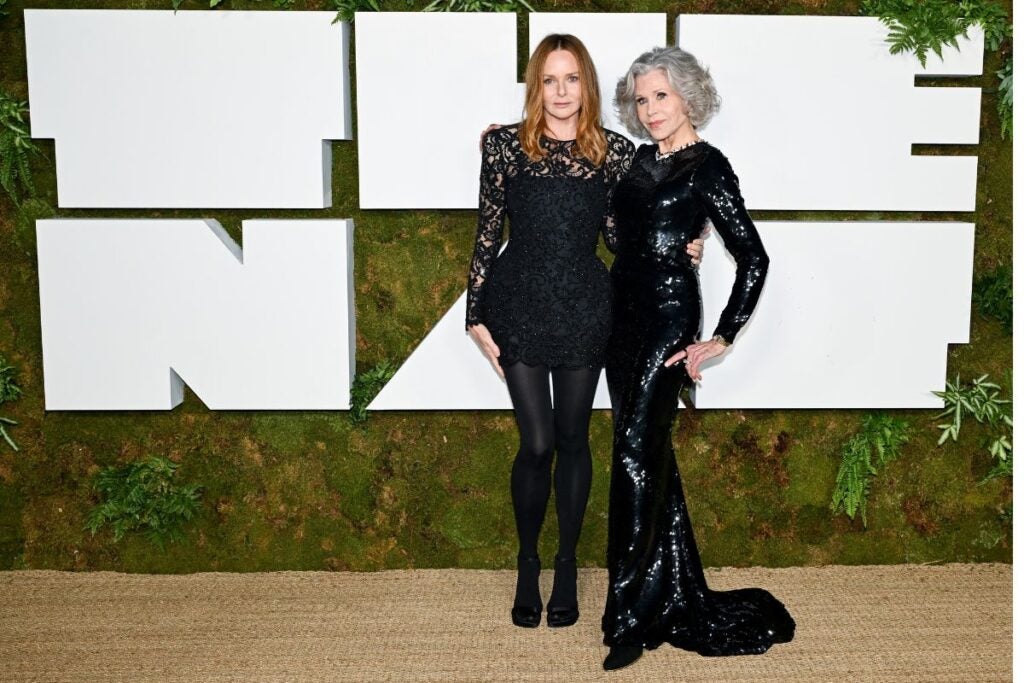
We hosted the first edition of our green alternative to the Met Gala – the NAT Gala – in September 2025 in New York. We transformed a warehouse into an indoor forest and built the evening around a campfire-style stage, with guests at small tables around it. Harrison Ford opened the night with a very touching speech, and because of the intimate setup you could feel the room reacting.
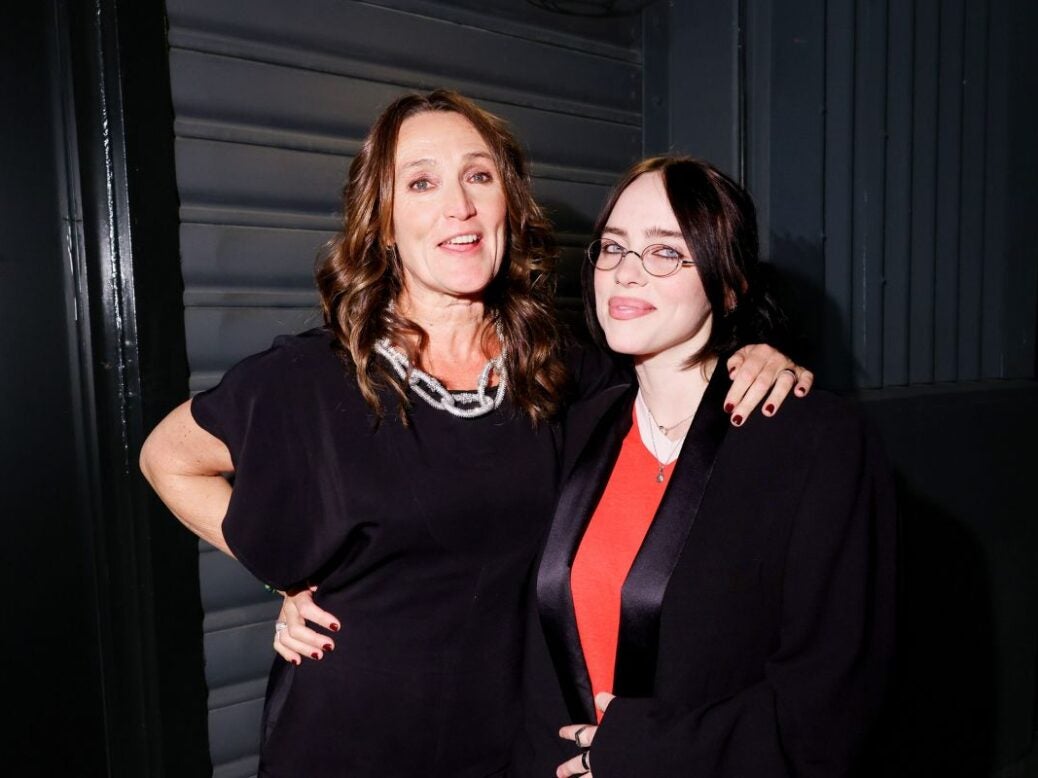
One of my favourite moments was when Billie Eilish introduced the legendary oceanographer Sylvia Earle. Sylvia had requested Billie herself, which felt like quite a big ask given she’d just come off a world tour, but through our networks we managed to make it happen. It brought together two generations who had long admired each other, which was incredibly special.
[See also: What extreme wealth means for power, responsibility and society]
Investors aren’t used to seeing nature as a mainstream investment opportunity. That’s what we’re trying to change with the NAT.
Our model is a kind of flywheel: culture drives attention, attention drives investment, investment drives real impact for nature, and that impact then reinforces the cultural relevance of protecting the natural world. In our first year we raised $2 million in donations for environmental charities. But the bigger ambition is to help shift investment at scale.
If, over the next decade, we could help move even a fraction of global capital towards nature – say, $1 billion – that would be an extraordinary step forward.’
This article first appeared in Spear’s Magazine Issue 99. Click here to subscribe