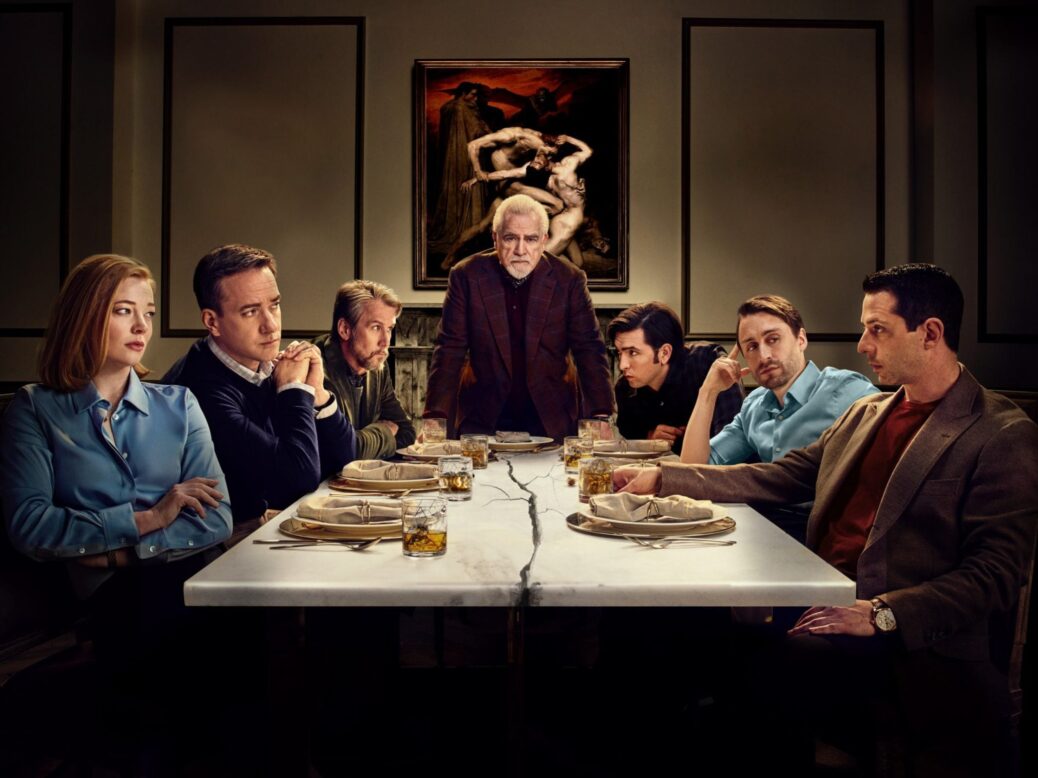
‘All happy families are alike; each unhappy family is unhappy in its own way.’ At Christmas even the most settled households can find themselves proving Tolstoy right.
In just a few days many will come together with relatives around the dinner table. But the mix of tradition, alcohol and time spent apart can often bring old tensions back into the open and make gatherings that are meant to feel warm and familiar just as easily expose what sits beneath the surface. And in some wealthy families those tensions revolve around money – who controls it, who benefits from it and what happens next.
One subject in particular is likely to hover over the table this year: inheritance tax.

[See also: The best family office advisers]
Related



Changes announced in the Budget this year prompted a flurry of concern, even if the eventual measures proved less severe than first feared. ‘The Chancellor’s bark was worse than her bite,’ Robert Brodrick, a partner at Payne Hicks Beach, told Spear’s at the time. But even so the impact of last year’s measures on UHNWs is far from trivial, with recent reports that the number of estates pulled into inheritance tax rose by 13 per cent.
From April 2027 most pensions will be brought into estates for inheritance tax purposes, meaning some families are now looking at much larger tax bills than they had planned for and the tensions that inevitably come with them.
[See also: What is a family office?]
1 in 5 Christmas–dinner arguments leads to changes in succession planning
Research suggests these moments of tension are far from rare during the festive season.
Content from our partners



A recent survey by online estate planning platform Trust & Will found that holiday gatherings frequently become flashpoints for disagreement, with around four in ten families reporting open arguments during festive get-togethers, while roughly a third of those disputes went on to cause longer-term rifts.
In some cases the fallout was serious enough to influence financial decisions, with nearly one in five respondents saying a disagreement ultimately led to changes in a will or estate plan.
[See also: The biggest billionaire family feuds]
The subjects most likely to trigger these clashes are fairly predictable.
Politics leads the way, cited by 34 per cent of respondents, followed closely by past family grievances at 32 per cent. Relationships and finances were each named by a quarter of those surveyed, with parenting close behind at 17 per cent. Even issues that are usually tiptoed around are not always avoided: 38 per cent said conversations over the holidays sometimes stray into inheritance or family heirlooms, often introduced lightly though not always received that way.
So, how can UHNW families avoid the drama? Experts weigh in
Matthew Fleming, the head of family governance and succession at Stonehage Fleming, suggests that the holiday season can serve as a moment of reflection for wealthy families. ‘There is much to reflect on this Christmas. As we think about individual and collective failings and successes it is becoming starkly clear that good news and bad news are usually underpinned by good and bad leadership respectively,’ he tells Spear’s.
He stresses the importance of having ‘a framework for decision-making’ and shared values, observing that families, like other communities, function best when members are guided by a clear sense of purpose. Fleming points out that every member of a family can contribute to its leadership and wellbeing and that the festive period offers a unique opportunity to reinforce these principles.
[See also: Legal experts issue warning after disinherited Earl loses £1.3 million in family feud]
He explains that even small acts, like ‘making or accepting decisions that are not necessarily in our own individual best interest’, can be ‘vital’ in fostering understanding and long-term cohesion. ‘Sounds just like the characteristics of a successful intergenerational strategy!’ he adds.
For Andra Ilie, a senior adviser at HSBC Private Bank who advises multigenerational families, family offices and family businesses on issues of governance and philanthropy, managing holiday tensions is largely about timing and structure. ‘Christmas should be a time of festivity and families enjoying quality time together. But as with all families, discussions can sometimes become a little heated,’ she notes, especially when unresolved questions linger over the family business or wealth.
Ilie advises that sensitive topics be set aside during the festive meal, protecting family time and revisited later in a dedicated planning session.
Clear expectations, she adds, can also prevent misunderstandings. A simple note ahead of the gathering, reminding family members that major decisions will be handled separately, can help reduce anxiety and ensure everyone feels included.
‘Fundamentally, the best way to avoid conflict is to have a clear process. It is much easier to manage differing opinions when people trust that the process is fair, even if they don’t necessarily agree with the outcomes,’ she says.
For Ilie, clear processes and trusted advisers are what make all the difference. They let families handle sensitive issues without derailing their long-term plans or their holidays.