London has been much maligned of late. As a much-discussed ‘billionaire exodus’ continues, critics say the city is a spent force, stymied by low growth, an onerous tax regime, stagnant property market, crumbling institutions and a lack of ambition. Furthermore, they claim, other, younger, flashier global hubs are catching up, or even overtaking.
But this ignores a less fashionable truth: that Britain’s capital retains a combination of attributes not replicated anywhere in the world. Spear’s, to mark its anniversary, took the temperature of its hometown, speaking to leaders from business, the arts, education – and some fresh blood – about their place in the city’s ecosystem, and why they’re optimistic about its future.
Growth capital
Over the past decade, the number of companies trading on the London Stock Exchange (LSE) has fallen from more than 2,400 to just over 1,500, as firms have stayed private for longer, been taken private by buyout firms or simply chosen to list elsewhere.

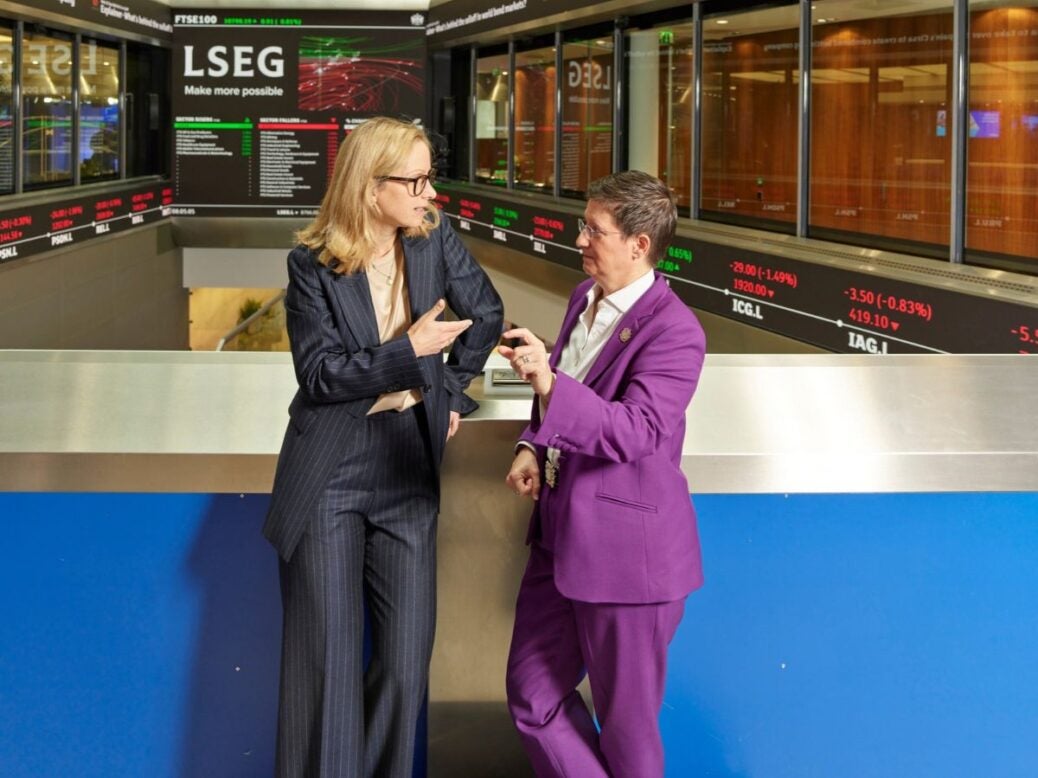
But it’s not all doom and gloom, says Dame Julia Hoggett (pictured, main image), boss of the country’s biggest bourse. Last year was London’s best for IPOs since 2021, with 11 raising £1.9 billion, while the government’s three-year stamp duty holiday on shares in newly listed companies took effect. There have been encouraging signs in 2026, too: H1 proceeds were up 215 per cent on the same period a year earlier.
Related
[See also: Crisis, what crisis? Inside private credit’s confidence problem]
‘We don’t have a shortage of great companies in this country,’ says Hoggett, a former JP Morgan banker who had a spell at the Financial Conduct Authority before moving to Paternoster Square in 2021. ‘We don’t have a shortage of money. We do have a shortage of money we spend on ourselves, and a shortage of money that [is deployed] as risk capital.’
The answer, Hoggett believes, is a ‘reframing’ of the system in public perception, and making the UK ‘the best possible place for great companies to start, grow, scale and stay’.
The good news is that the new government professes to be singing from the same hymn sheet.
Content from our partners



[See also: Is the UK about to tax bankers more?]
‘The health of our private and public capital markets is fundamental to a growing economy and therefore to this country’s future prosperity,’ City Minister Lucy Rigby KC tells Spear’s. ‘The Chancellor and I are committed to ensuring that businesses of all sizes can access the finance they need to innovate, expand and create jobs and wealth in every corner of the UK.’ Hear, hear.
The heritage of Savile Row – and London’s ‘melting pot’
‘London is amazing, multicultural and – on good days – the best city in the world,’ says Savile Row legend Ozwald Boateng. He became both its youngest tailor and the first Black designer to establish a presence there when, at the age of 28, he opened his eponymous boutique on Vigo Street, at the end of the Row, in 1995.
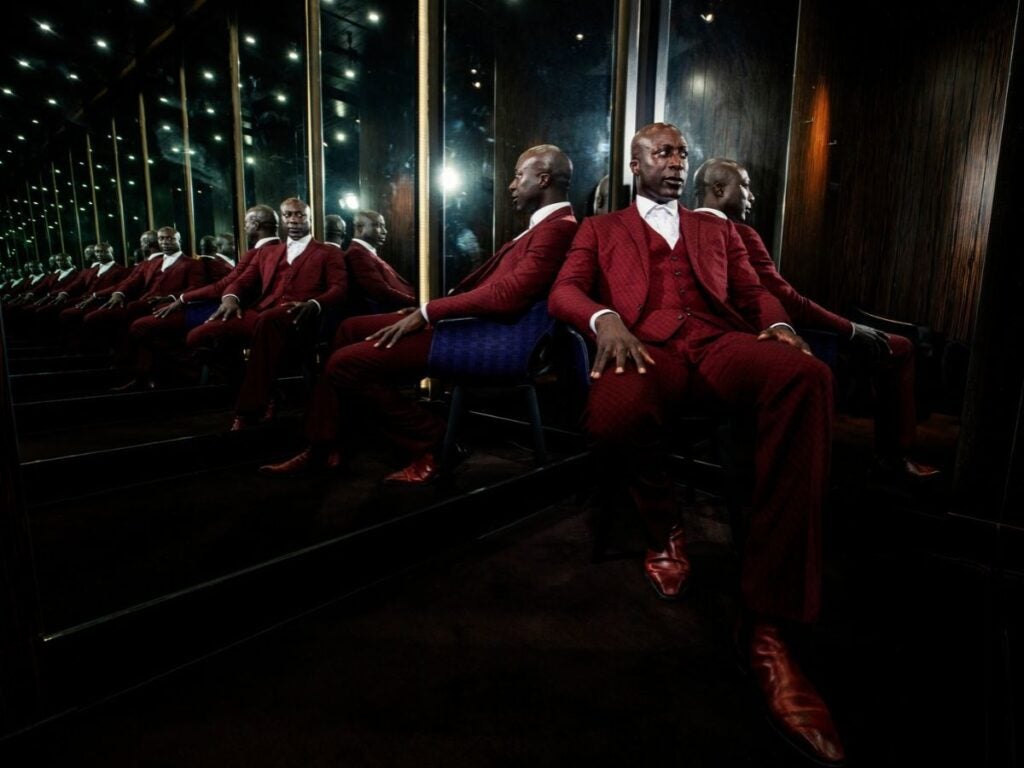
As befits a man who has combined the heritage of the Row with his Ghanaian roots throughout his career, Boateng has always had an international outlook. In 1994 he became the first tailor to stage a catwalk show at Paris Fashion Week and, in 2025, dressed a number of high-profile attendees of the Met Gala, including Ncuti Gatwa, Burna Boy, Jaden Smith and Tems.
[See also: King’s tailor Anda Rowland on the women shaping Savile Row]
But he remains passionate about his hometown, even as he admits it may have lost its way a little in recent years. At its essence, he says, London is a melting pot. ‘That’s its cultural power, so that’s what it needs to focus its energy on. Because I don’t know if another city in the world has that strength in the same way.’
Unapologetically elite education
London’s two St Paul’s schools – one for boys, one for girls – are close, separated only by a bend in the Thames in west London. They are distinct entities but collaborate often, including on drama productions, and their proximity extends to their standings in the league tables, where they rank as the UK’s very best (St Paul’s) and sixth best (St Paul’s Girls’) in the 2026 Sunday Times rankings, on the basis of A-level and GCSE results.
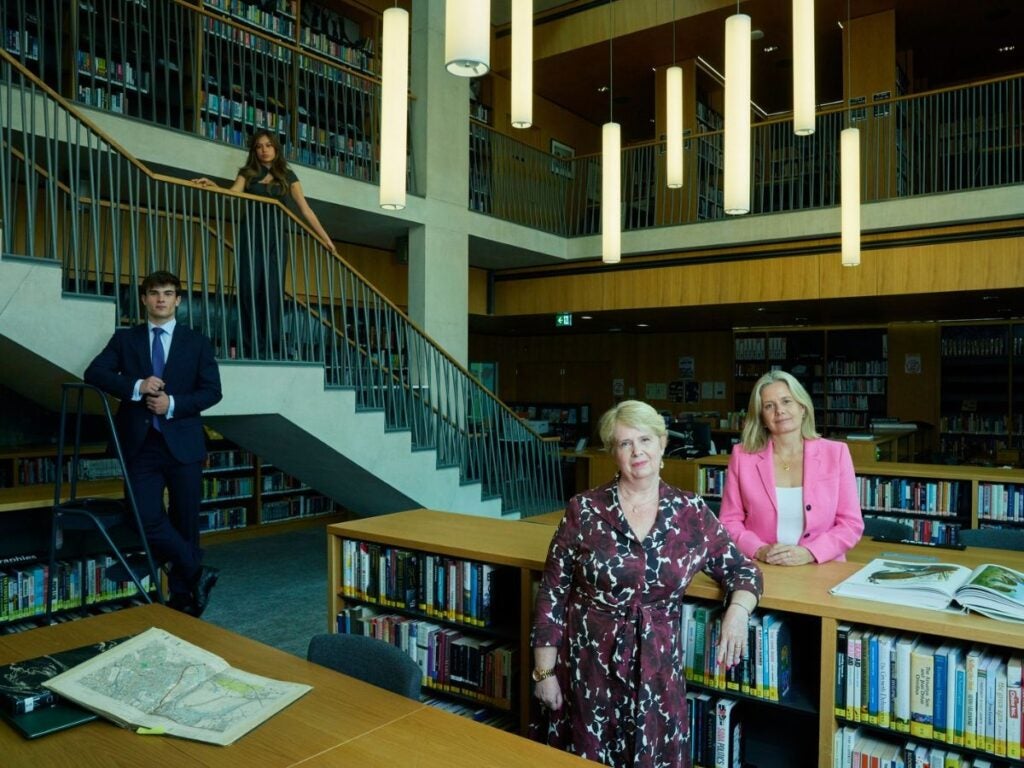
Both institutions are a far cry from the Hogwarts-like boarding-school fantasies that define many people’s ideas of elite English education. ‘Our history is London’s history, really,’ says Sally-Anne Huang, high master of St Paul’s School.
[See also: The best senior schools in the UK]
It’s an accurate claim, given that the school dates back to 1509, with its first building destroyed in the Great Fire of 1666. Their list of alumni – which includes businessman James Reed, former chancellor George Osborne, economist and journalist Stephanie Flanders and architect Amanda Levete – is replete with individuals who have reached the pinnacle of their fields.
Despite their success, both schools continue to challenge educational convention in the UK. Liz Hewer, high mistress of St Paul’s Girls’ School, says its liberal approach enables a ‘university style’ student-teacher relationship, adding that many people still don’t realise the school doesn’t require a uniform. Since its foundation, Hewer says, St Paul’s Girls’ has always encouraged curiosity in its students: ‘To be nerdy isn’t something that people would make fun of.’
World’s largest alternative asset manager bets big on Mayfair
It’s difficult to envision a more emphatic endorsement of London’s status as a business and economic hub than the new 10-storey, 226,000 sq ft office building springing up on the southern edge of Berkeley Square in Mayfair.
It will soon be home to Blackstone, the largest alternative asset manager in the world, which has more than $1.3 trillion in AUM and two pre-existing offices on the square. But its London headcount has swelled in recent years – from around 250 people in 2019 to more than 700 today.
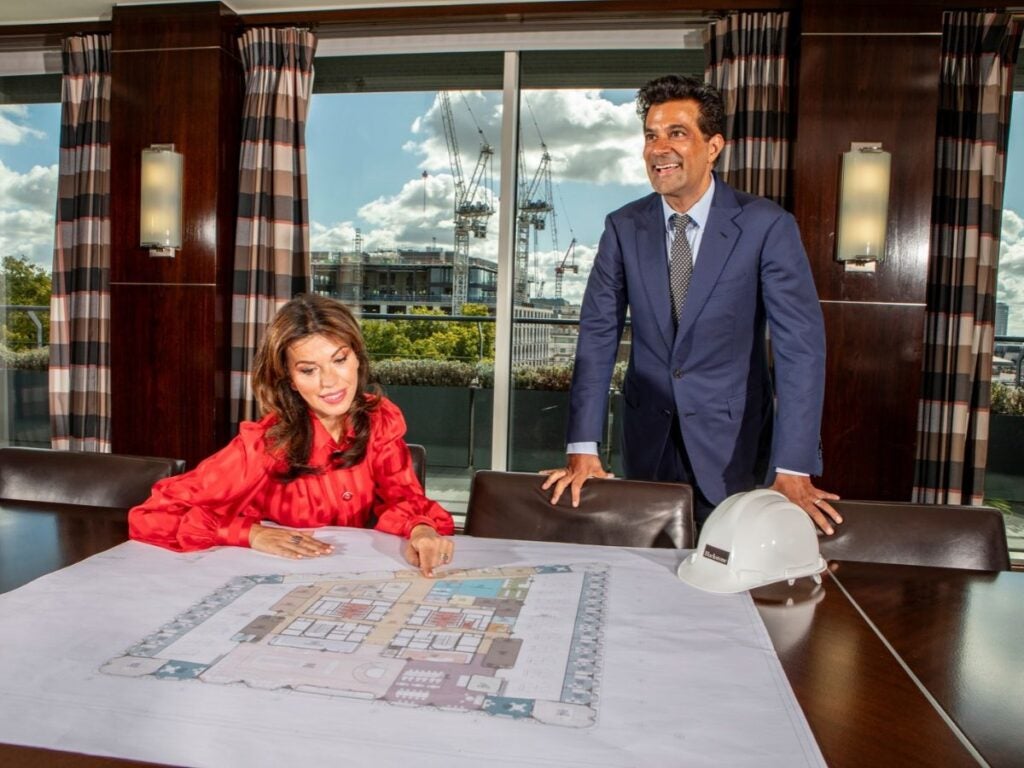
The new incarnation of the historic Lansdowne House is scheduled for completion in autumn 2028 and has been designed by Stirling Prize-winning architect AHMM, with glazing inspired by the nearby Burlington Arcade. Blackstone employees are already expected to be in the office five days per week, but the global COO for the firm’s private wealth division, Farhad Karim, who has been involved in plans for the new site since its inception, believes the new building will further aid collaboration.
[See also: Mayfair ‘back to the top of the Monopoly board’ as £4 billion makeover gathers momentum]
‘We really do see this as our European headquarters,’ he says. ‘We are committed to Europe,’ adds Simona Maellare, the private wealth division’s Italian-born head of EMEA and a longtime Londoner who commutes to Berkeley Square on her Vespa. The new building is ‘forward-looking; it’s innovative’, adds Maellare. ‘It’s a testament to London’s ability to reinvent itself.
Shaping the narrative
If London is to thrive over the next couple of decades and beyond, the city needs a narrative – and friends in high places.
Who better to offer inspiration than Matthew Freud, the comms supremo at the helm of the eponymous PR business.
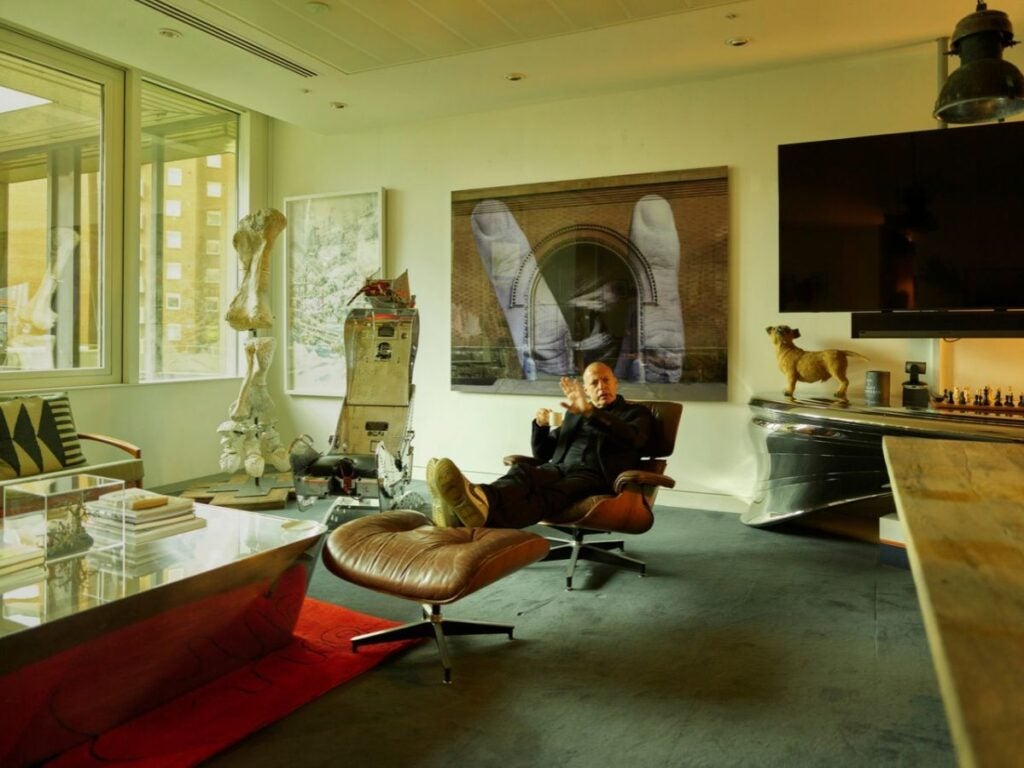
Freud has been a close friend and confidant to some of the world’s best-known and influential people – from pop stars to prime ministers – since he started the firm at the age of 21. Now 62, he has toyed with selling the company but is in a bullish mood about its future, especially as several of its larger competitors grapple with the impact of AI, while also servicing significant debt.
[See also: The best reputation managers in 2026]
Perhaps Freuds – as a UK-headquartered firm specialising in cross-sectoral, global, high-level connections; real creativity; and the kind of advice that cannot be easily scaled – offers a template for the next economic cycle?
The ‘Rolls Royce’ of legal systems
‘In a world with so much uncertainty, in which people feel so let down by institutions, it’s heartening that the judiciary has maintained its stature and independence, as it has done for generations,’ says Fiona Shackleton, widely seen as the outstanding family lawyer in the history of the profession.
Shackleton – Baroness Shackleton of Belgravia, LVO to give her full title – has represented clients such as the King (then Prince of Wales), Sir Paul McCartney and Princess Haya of Jordan, to name just three. That the English legal system continues to inspire confidence owes much to the people who ‘provide their services without fear or favour’, and those who defend it, such as the Lady Chief Justice, Baroness Carr, Shackleton notes.
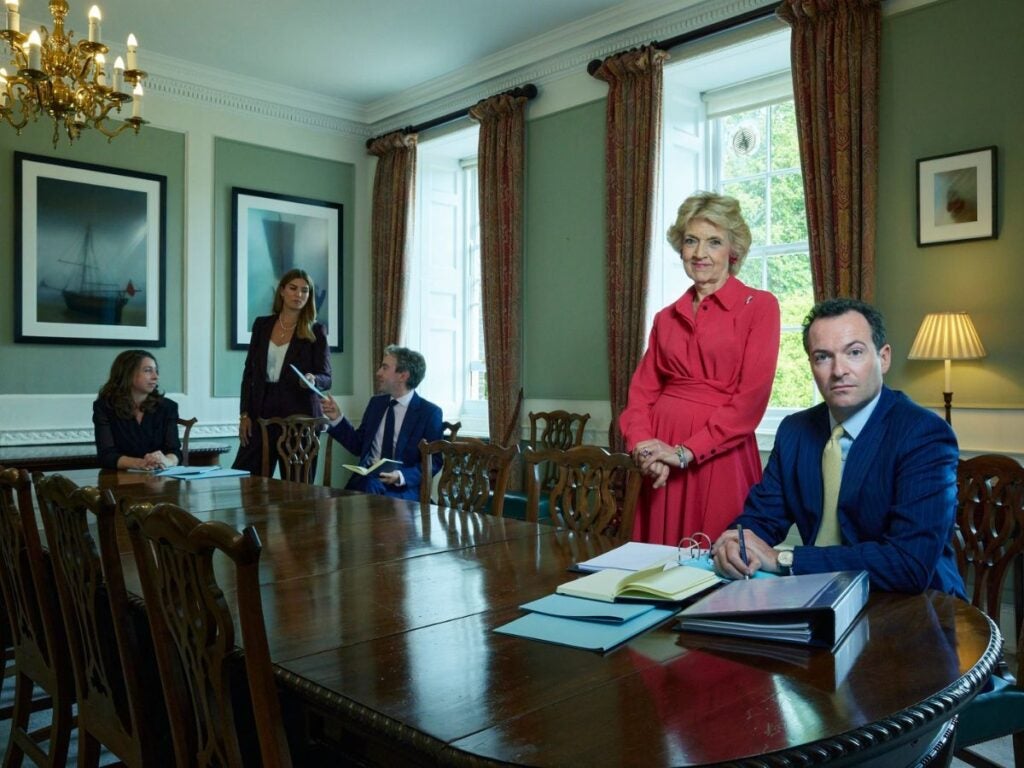
‘You cannot “buy a judge” in this country, though it does happen elsewhere,’ says the Payne Hicks Beach partner. ‘Many of us take that for granted, but our Rolls Royce of a system is a large part of the reason so many people – whether they live here or don’t – have English jurisdiction clauses in their contracts. They believe in our sense of fair play.’
[See also: The ‘Queen Bees’ of family law: long may they reign?]
The symbiotic relationship between the courts, the economy and what you might call ‘British values’ can be maintained, says Shackleton – along with the significant tax receipts from a legal sector that generates £52 billion per year in revenue.
‘But politics needs to keep up; legislation needs to keep pace with the social mores of society and proper funding is absolutely essential.As Francis Bacon wrote in the 17th century, “If we don’t maintain justice, justice won’t maintain us.” ‘But if we get these things right, the legal profession, the judiciary and the court system can continue to set London apart from its competitors on the world stage.’
Sorry, Dubai: London ‘is still the place to be’
‘I think there’s definitely more energy and creativity around,’ says Sir Tristram Hunt, over a cup of tea in his office at the V&A.
‘We’ve seen what’s been happening in the Middle East and its implications for the notion that “everyone just wants to go to Dubai,”’ says Hunt, the museum’s director. Before the Iran conflict broke out, he authored an op-ed for the FT that ran with the headline ‘Don’t move to Dubai – this is still the place to be’.
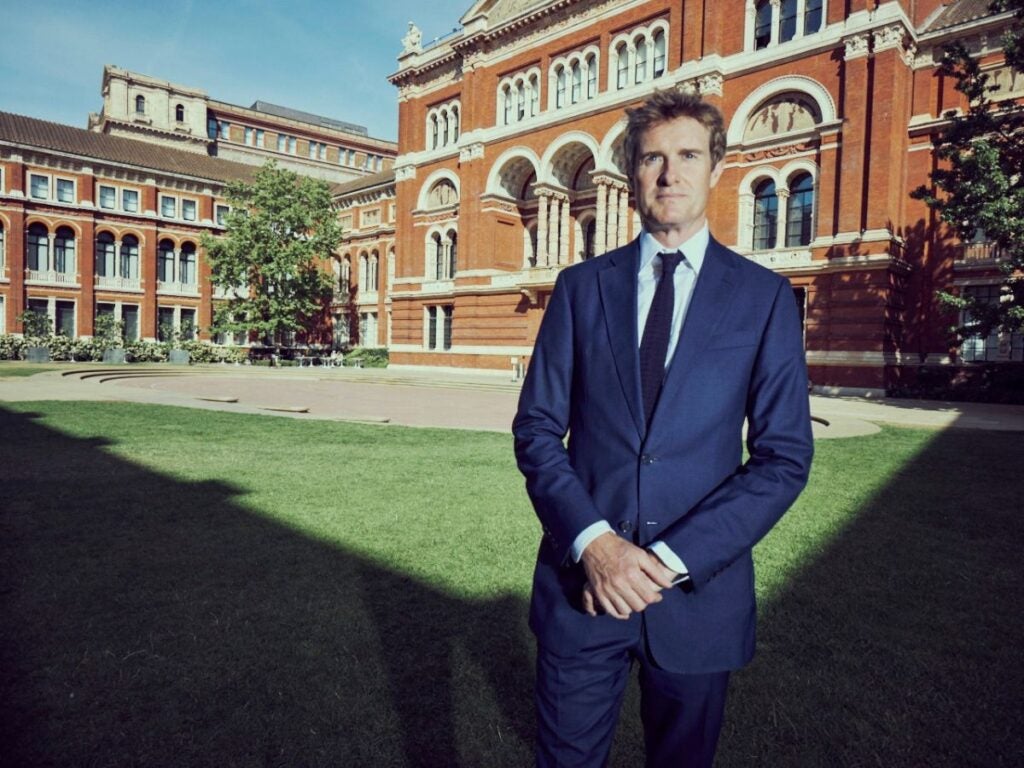
‘You know, having things like geopolitical stability and the rule of law have come back into force,’ he tells Spear’s. ‘The challenge is to make sure we capitalise on that.’ A good number of Americans have got the memo and moved over, he notes, perhaps because ‘the political and cultural divisions that are so stark in the US actually seem less febrile here in the UK.’
[See also: The tax trap waiting for rich expats leaving Dubai]
But the tech bros who have crossed the Atlantic are ‘yet to realise their philanthropic obligations, even though what brings them to London is the creativity, the cultural institutions and the associated ecosystem. So I hope they step up.’
Hunt was an MP in a previous life and says that while his former shadow cabinet colleague Andy Burnham ‘is understandably interested in wealth creation in different parts of the country’, it doesn’t need to be ‘at the negation of London’. ‘I think making sure he doesn’t slip into that will be important. That was always the New Labour approach: you let London rip, and you distributed the resources appropriately.’
The West End: ‘Much more breadth than Broadway’
London’s West End has a highly legitimate claim to be the best theatre ecosystem in the world, but it hadn’t had a new playhouse in 50 years. That changed in 2022 with the arrival of Soho Place, a brand-new structure built adjacent to the site of the old Astoria theatre, which was demolished to make way for the Elizabeth Line, and which is part of a £300 million regeneration project by developer Derwent London.
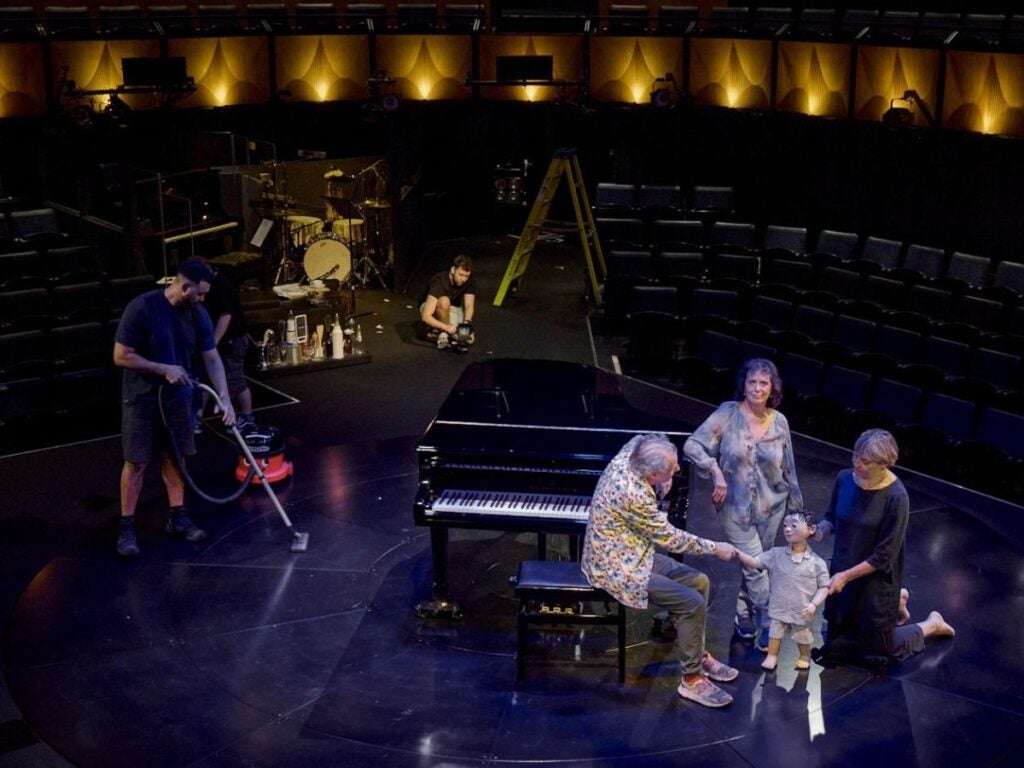
Soho Place is owned by Nica Burns and operated by Nimax Theatres, the company she runs alongside business partner Max Weitzenhoffer, which also owns the Apollo, Garrick, Lyric and Vaudeville theatres. Soho Place is distinguished by being London’s first purpose-built theatre for performance in the round (despite its name, Shakespeare’s Globe has a ‘thrust’ stage) and, perhaps more importantly, by seldom having a queue for the loo.
[See also: The best art lawyers in 2026]
Its design is spacious and accessible, including for wheelchair users. ‘We have the most amazing theatre economy in the world,’ Burns tells Spear’s. ‘There’s much more breadth than on Broadway.’ However, she adds: ‘British people are not good at speaking about it.’
Wealth, the next generation
Ne, 30, a Myanmar-born, UK-educated MBA who now works for a substantial family office in London, is among three co-founders of an invitation-only club for younger members of wealthy families.

He describes the club as a ‘community of next-generation family inheritors building legacies through investment, philanthropy and creating meaningful impact’. There are stringent entry criteria and a continuing attendance requirement to ensure members are fully engaged in the group.
‘In the circles of wealth, true trust is built through lasting bonds and community is key to protecting and empowering the next generation of inheritors,’ Ne adds. Also on our photo shoot were Mari, 24, originally from Georgia, who works in media; New York-based May, 30, who runs the Wu Family Office; and Layla, 31, of Azeri and Bahraini descent, who works in real estate.