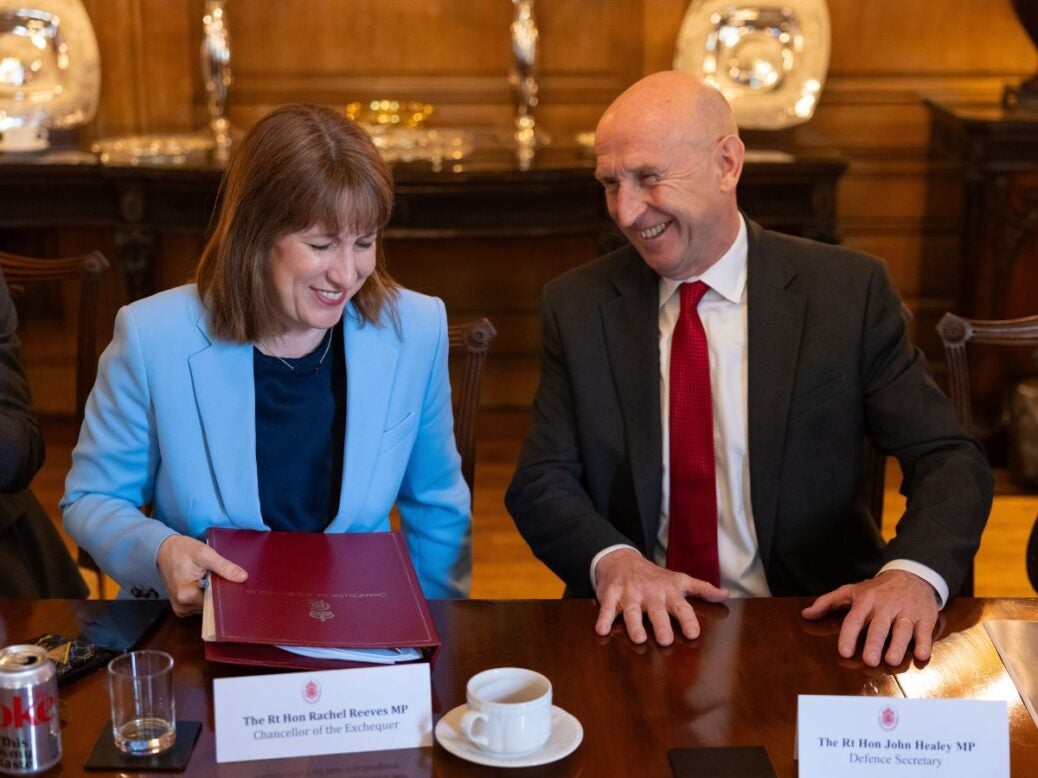
A growing number of professional advisers have urged the UK government not to implement a ‘windfall tax’ on global banks in London.
Executives are ‘increasingly worried’, according to the Financial Times, that chancellor John Healey could be tempted to impose new taxes on the profits of large banks in his budget, due to be delivered on 28 October.
UK Finance, a trade body representing businesses and finance organisations, said there was ‘considerable concern’ from 14 international banks it spoke to that ‘excessive taxation of individuals working in the sector may incentivise relocation to other jurisdictions’.

[See also: Tax raid forces UK entrepreneurs to explore early business sales]
Related
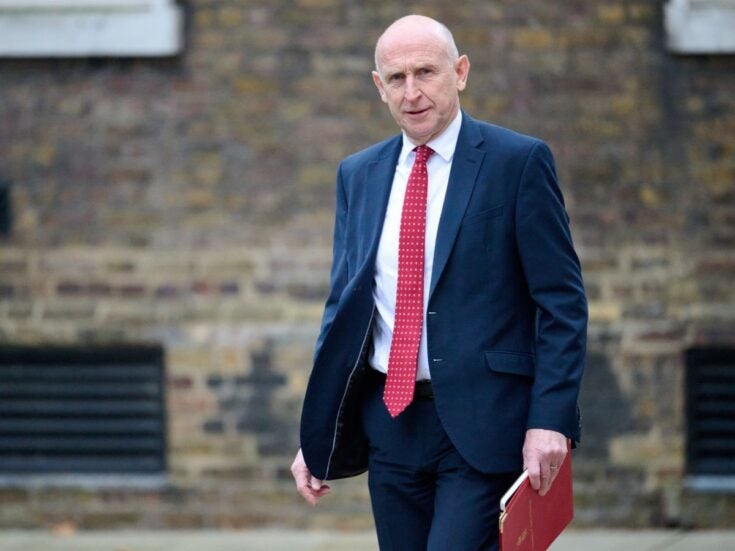
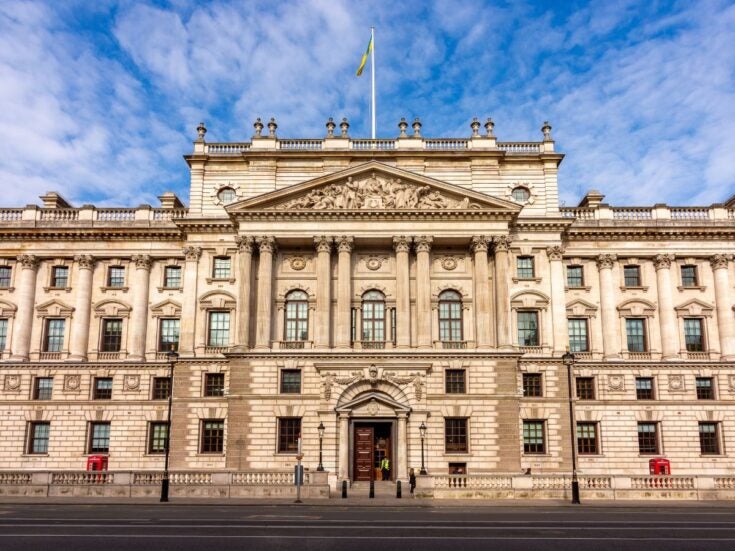

Speaking to Spear’s, UK Finance’s communications director, Andy Donald, said there was uncertainty from business as to what to expect from Healey’s budget.
‘We’ve got the budget in five weeks time, but we don’t know what the government’s going to do. They’ve been quite tight-lipped.’
Every budget brings with it weeks of press speculation, but some feel that the new government led by Andy Burnham represents more of an unknown entity.
[See also: Capital Gains Tax bill hits record £24.2bn as investors sell early]
Content from our partners



‘I think there’s a difference between what Andy Burnham might have said before he was prime minister and what he might do now,’ Grant Thornton’s Sue Knight told Spear’s. ‘I think we also need to be a little bit careful with that.’
Knight leads Grant Thornton’s private client and UHNW team in Birmingham.
‘Is he going to put up taxes? I think that’s probably generally felt to be the likelihood,’ she added.
Those arguing against tax increases on banks say the UK already taxes banks far more than other countries.
[See also: The best accountants and tax advisers in 2025]
UK Finance cites figures which it says show the UK has an effective total bank tax rate of near 46 per cent (which includes several bank-specific taxes introduced in recent years, like 2011’s bank levy). For New York, the equivalent figure is 27.9 per cent.
Jouni Aaltonen, the group’s head of international banking strategic advisory group, added that if taxes on banks are included, the effect on London as a financial centre will be negative.
‘It’s not about saying that everyone’s going to pull out of London or the UK in general,’ he said.
‘It’s more that instead of putting a trading desk in the UK of 10 people – it may be two people and the rest somewhere else: in Singapore, or Hong Kong or New York – or another funds centre in the Middle East.’
[See also: London still top city for HNW lifestyle despite tax concerns]
Charles Richardson, a private client tax and trusts partner at the law firm Sinclair Gibson, told Spear’s that business ‘have been in a tough position’, and would be looking for ‘any relief that they can get’.
On the reports that some businesses may consider leaving the country, Richardson added: ‘It’s got to be a concern if they are leaving the UK. I mean, if [the government] can do anything to stem that flow, I would have thought that it’s sensible to be thinking about that at the moment.’