
The Venice Biennale is not an art fair. As such, the bi-annual, government-funded cultural exhibition does not shout about its role as a centre for commerce – a place where collectors, dealers and auction houses come to transact. And yet they do, just more quietly than at some other gatherings of the art world elite.
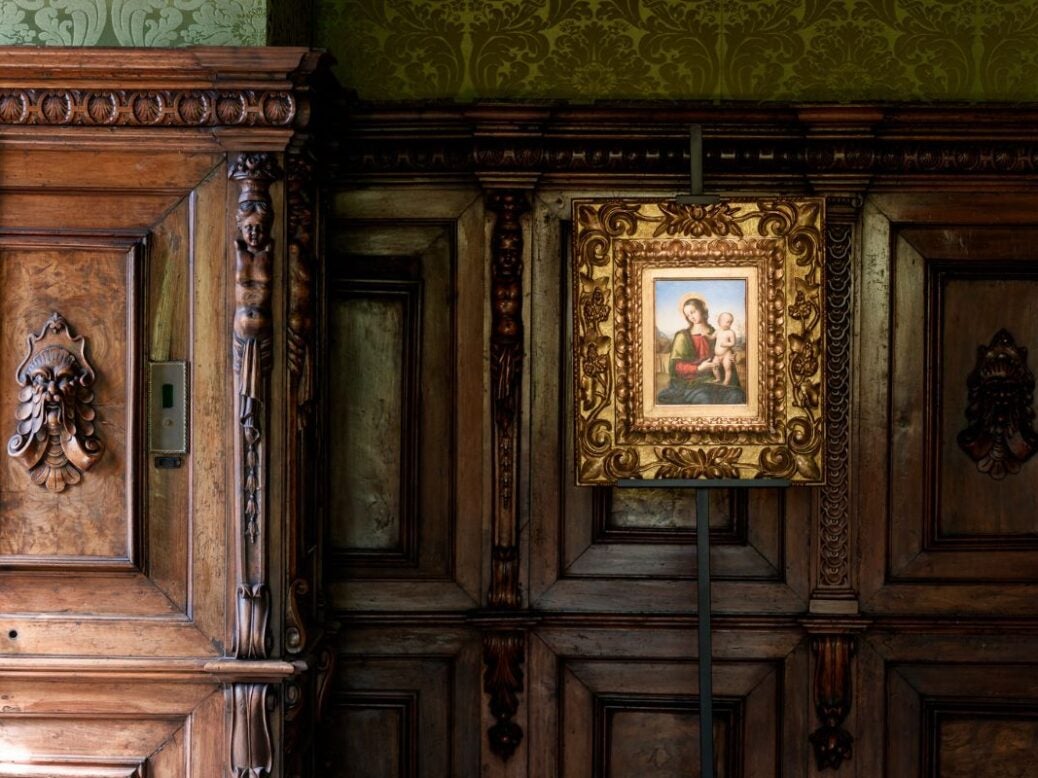
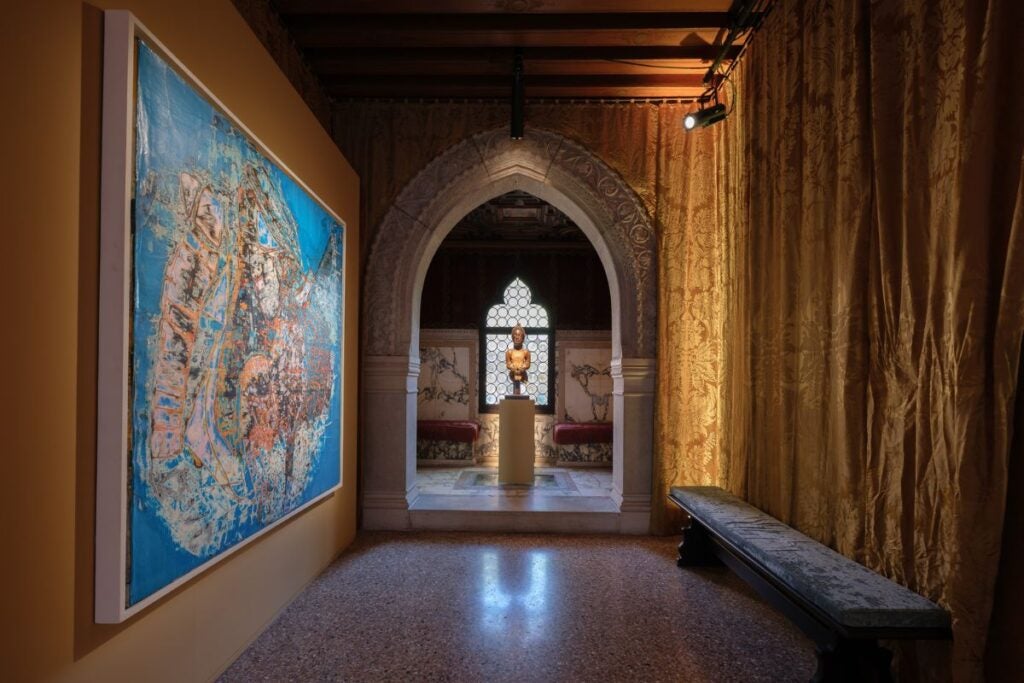
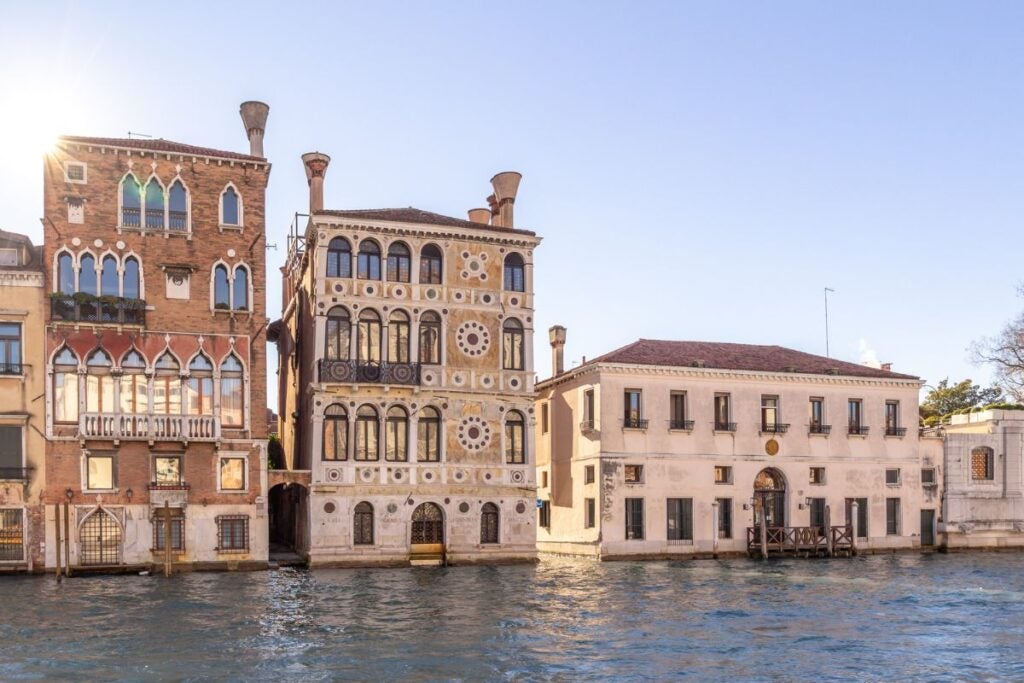
Amid the Biennale’s previews last week, Christie’s decked out the majestic Palazzo Ca’ Dario’s three floors on the Grand Canal with about £130 million of masterpieces by the likes of Titian, JMW Turner and Édouard Manet. There were also more contemporary works by artists including Andy Warhol, Cy Twombly and Mark Bradford on show in a week-long exhibition titled ‘Ghost Pavilion: A Venice Revealed’ – a nod to the grand property’s apparently haunted past.
The exhibition was not open to just anyone, however. In order to gain access most invited guests had to make their way down a secluded side street and wait while a guard unlocked a chained door – although, for the the VVIPs, there was also an option to disembark by boat and enter through the porta d’acqua.

[See also: The best art advisers]
Related
This was Christie’s first private show in the 130-year history of the Biennale – and a testament to the current vogue for private sales.
Why? Private sales at the Big Three are booming, and the houses want the right people to know. Christie’s and Sotheby’s both traded $1.5 billion in art privately last year, more or less a quarter of their overall annual revenues. At Phillips, private sales surged by 66 per cent. The uptick is something to cheer following a pronounced contraction in the market overall.
Auctions, notwithstanding some recent green shoots, have suffered over the last few years due to raging global conflicts and general market volatility. So private sales offer a more controlled environment. Both sides of the deal know what they’re going to get and can thrash out the particulars calmly.
Content from our partners


In Venice, Christie’s is also making the most of Italy’s low 5 per cent VAT rate on art sales, which was recently slashed 22 per cent. It went from among the highest in Europe to the lowest overnight.
As I was waiting for Adrien Meyer, Christie’s head of global private sales, inside the Palazzo Ca’ Dario – which is also on the market with Christie’s Real Estate for a reported £20 million – boats dropped off various collectors. They were greeted like royalty by Christie’s staff. If you’re going to buy art, this is the way to do it. Who knows, perhaps one of them might snap up the property itself.
When I eventually collared Meyer, he admitted that ‘Venice’s aura as a cultural destination has benefitted from the fact that there is not a commercial spin on the Biennale’.
[See also: Why is Sotheby’s cosying up to Abu Dhabi’s elite?]
I asked him, then, if he was hoping to shatter this aura by capitalising on the fact that many of his wealthy clients were in town. Fortunately, he has a sense of humour. ‘Not at all!’ he said, smiling. ‘This exhibition features 23 [pieces] of the highest quality that carry the Biennale’s curatorial weight. It’s a refreshing, enlightening experience. They compliment one another, but we do need to be mindful of merging commerce with scholarship.’
It was ‘too early to say’ whether Christie’s would make this show or something like it a regular fixture, but he noted that the response had ‘exceeded expectations’.
Several of the works are portrayals of Venice, including Manet’s Le Grand Canal à Venice (1874), one of only two paintings he made of the city. Turner’s Venice scene, Depositing of John Bellini’s Three Pictures in La Chiesa Redentore, Venice (1841), is equally striking. Maurizio Cattelan’s taxidermied mice in deck chairs, Untitled (1997), adds a light touch, while Warhol’s Still Life (Skull) (1976) riffs on the exhibition and Palazzo’s ghoulish theme.
[See also: Gustav Klimt painting fetches $236.4m, becoming second-highest auction sale in history]
Christie’s has several more private-selling shows planned in London, New York, and Paris this year. Meyer told me that he only expects their momentum to continue.
While Sotheby’s didn’t host a private-selling show in Venice, the house did ship a Lucio Fontana painting with a €1 million price tag to the Gritti Palace to hang during a clients’ dinner. It’s being sold later this month in Milan during the house’s ‘Modern and Contemporary Art’ auction.
Like Christie’s, Sotheby’s has a series of private-selling shows in the pipeline, including one to coincide with Art Basel in Switzerland and another in Paris later this year.
If this year’s previews are anything to go by, Venice’s subtle marriage of the commercial and the curatorial looks destined to last. In the face of public funding cuts, galleries and auction houses have perhaps reached into their own pockets more deeply than ever to support the Biennale this year. The extra funds help to cover everything from shipping artworks, to installing shows at the national pavilions and, of course, the obligatory parties. But these are businesses, and so must claw this money back. Selling art is the natural way to do it.


