Italy’s flat tax for high-earning foreigners was first introduced in 2017, under then-prime minister Paolo Gentiloni. The rate was set at €100,000, which covered all overseas income (while Italian income was taxed in the normal way).
In 2024, under Giorgia Meloni, the figure doubled. Last year Meloni announced that it would rise again – to triple its original level – from January 2026.
Cheap at thrice the price? Quite possibly, according to Alex Isidro, managing director at Sotheby’s International Realty. ‘I expect demand for Italy to remain strong,’ says Isidro. ‘While some may consider Switzerland, Portugal, Monaco and the UAE, Italy’s lifestyle paired with its fiscal benefits still makes a strong case.’

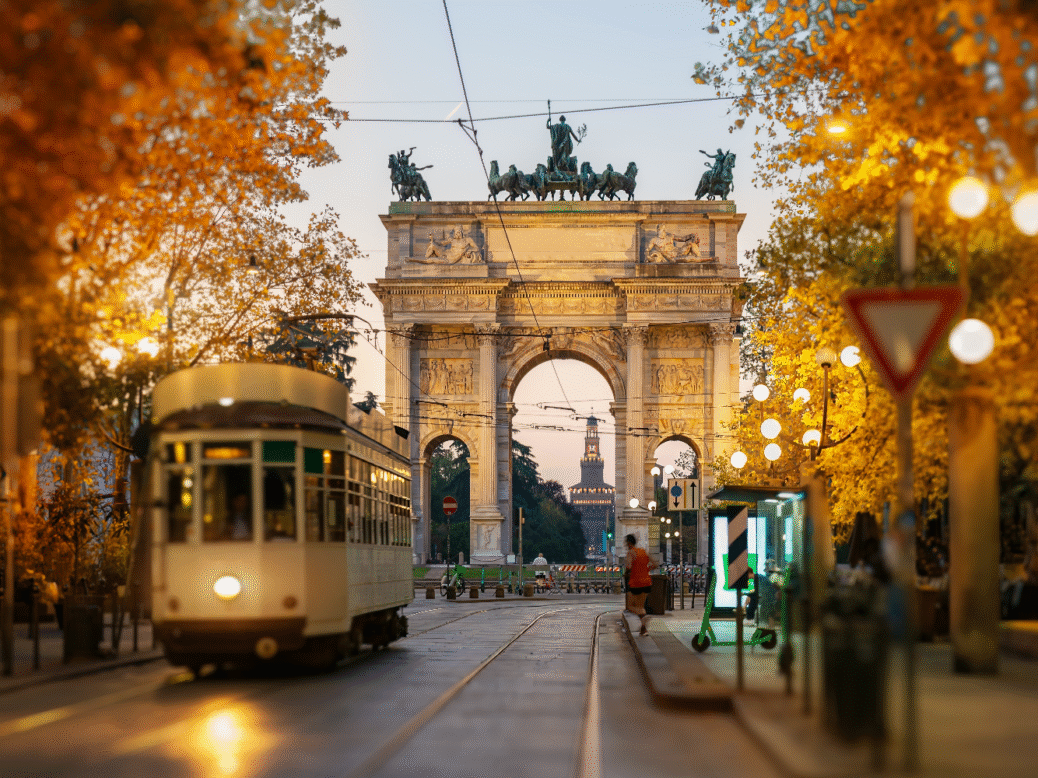
Between 2020 and 2023, official figures from the Italian Revenue Agency show that 3,983 HNWs relocated to Italy, with the most popular destination being Milan, followed by Rome. Milan’s shifting profile is also borne out by Henley & Partners’ 2025 World’s Wealthiest Cities Report, which says the city is now home to almost as many UHNW residents as London or Paris, including an estimated 17 billionaires and 115,000 millionaires – figures that have been climbing steadily.
Related

[See also: Ultra-luxury hotels double down on high-net-worth travellers]
Among those who have taken the opportunity to call Milan their casa under the regime so far are Richard Gnodde, vice-chair of Goldman Sachs; Nassef Sawiris, Egypt’s richest man and co-owner of Aston Villa; and Bart Becht, former CEO of Reckitt Benckiser.
Milan has become a ‘natural landing place’ for UHNWs, says Geraldine Semeghini, CEO of the Milanese luxury real estate firm Lincs Estate. Semeghini notes that the city combines business and lifestyle advantages in a way that is ‘not easy to find elsewhere’. Part of the draw is Milan’s infrastructure: a solid professional services base, an international mindset, and a cluster of well-established international schools, from the American School to the British School, Saint Louis and ICS Milan International School. It boasts a lively cultural scene, too.
The location is another selling point: just an hour from the mountains and the lakes, and connected to the rest of Europe by three airports and high-speed rail.
Content from our partners



‘The fiscal regime alone would not be enough,’ Savills Italy’s head of residential Danilo Orlando tells Spear’s.
In the past few years, a wave of upmarket hotels has arrived, including Casa Brera, part of Marriott’s luxury collection, which opened in late 2024. The Carlton, a Rocco Forte Hotel, began taking reservations after its November 2025 opening, while the firm’s residential luxury development on Via Manzoni opened its palazzo-style apartments in 2024. Looking further ahead, the Six Senses Milan is expected to open in late 2026. These openings bring with them Michelin-level dining and the highest standards of hospitality.
[See also: The best private schools in Europe]
New private members’ clubs have also been established as a virtuous cycle of supply and demand seems to be emerging. The Wilde, which opened in November 2024 and is largely British-owned, is one example joining the likes of Casa Cipriani. ‘People who are arriving in Milan for leisure understand that the city is now ready to be a destination for a permanent future,’ Orlando notes. At the same time, the city’s professional infrastructure makes it easier for UHNWs to settle in.
‘A whole network of advisers has strengthened: tax specialists, wealth managers, relocation consultants,’ says Semeghini, with the likes of Julius Baer, Ares Management and Charles Russell Speechlys opening Milan offices in the past year.
In turn, the city’s growing luxury appeal has transformed the super-prime property market. Large, well-renovated apartments in the historic centre are becoming scarce, notes Semeghini. Properties in the €3-6 million range in prime locations now sell quickly, and prices in the luxury central district of Il Quadrilatero have reached around €40,000 per square metre (approximately £3,300 per square foot).
What’s more, Diletta Giorgolo, head of residential at Sotheby’s Italy, explains, ‘Italians don’t like to sell their homes,’ which means a less liquid market than in many comparable cities.
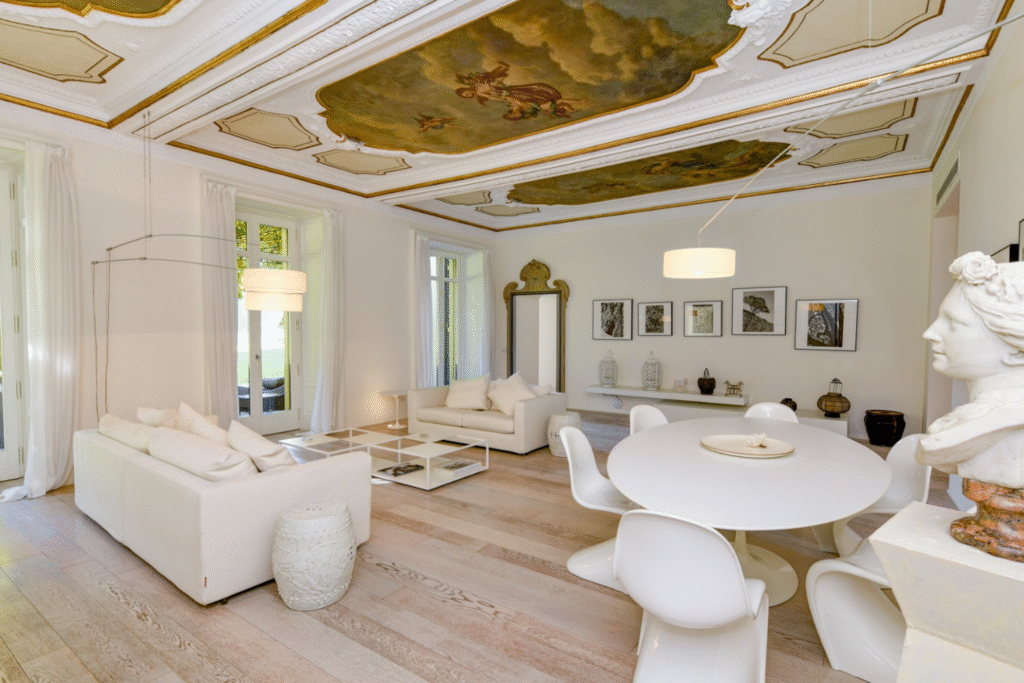
Much of Milan’s prime offering, Orlando adds, lies in historic central buildings, which often come with constraints. HNW buyers tend to look for trophy properties that are already refurbished, but many older buildings require renovations or have layouts that make combining units difficult. Still, apartments in some historic palazzi are being refurbished and transformed into turnkey homes.
[See also: A Roman Renaissance: Six Senses Rome redefines urban luxury]
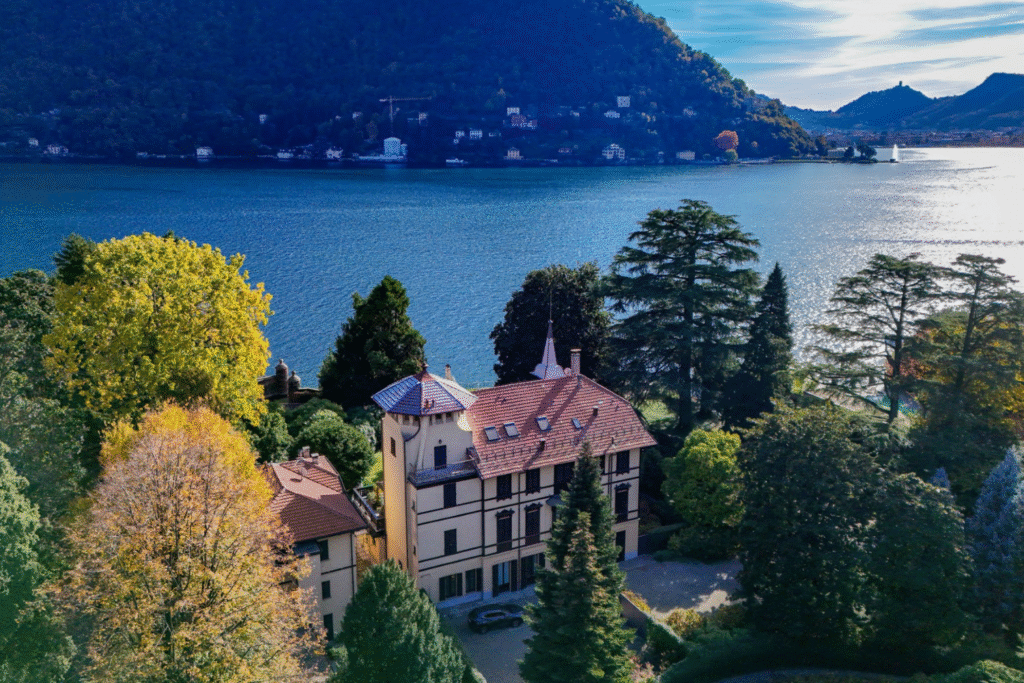
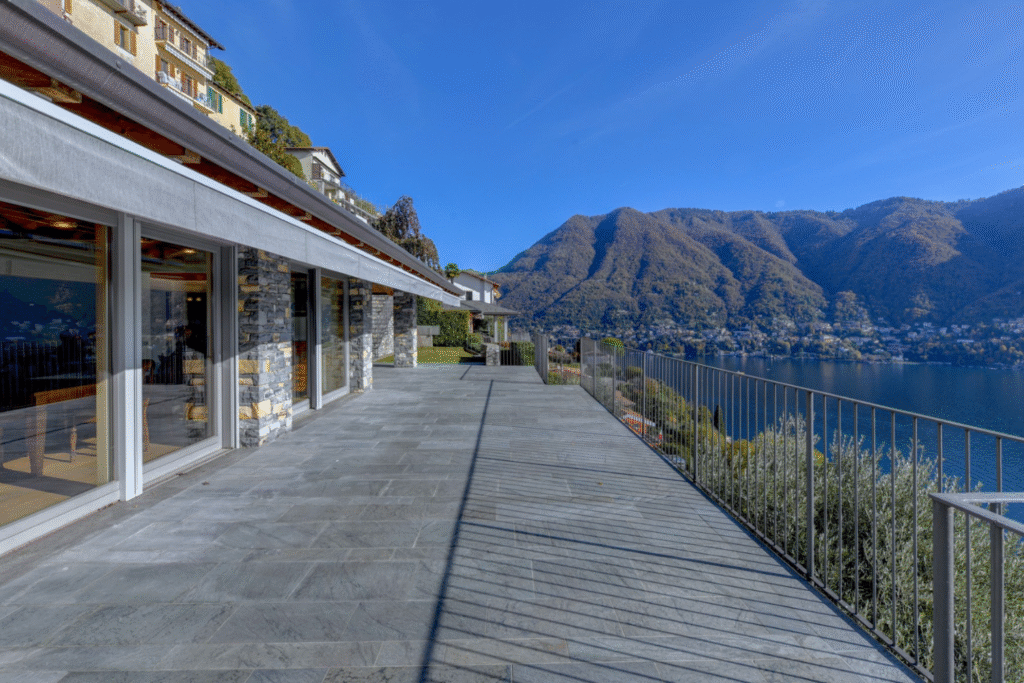
The stiff competition and limited supply has prompted many brokers to take their UHNW clients to the nearby lakes. Just under an hour north of the city, Lake Como – often nicknamed by agents the ‘Clooney lake’ – remains the most sought-after. The actor once described his famous villa (valued at more than $100 million) as ‘life-changing’. Como has its own new residential projects and five-star hotels; a Lake Como EDITION has just opened its doors in March 2026.
Slightly further west, Lago Maggiore has been growing in popularity too.
‘Clients actually do want to stretch out of Milan once we introduce them to other areas like Lake Maggiore or Como,’ says Orlando. He adds that ‘the real surprise has been Monza’, a smaller city just north-east of Milan, which is home to the Italian Formula One Grand Prix. However, he concludes, ‘If there was enough on offer in the city, people would stay in Milan.’