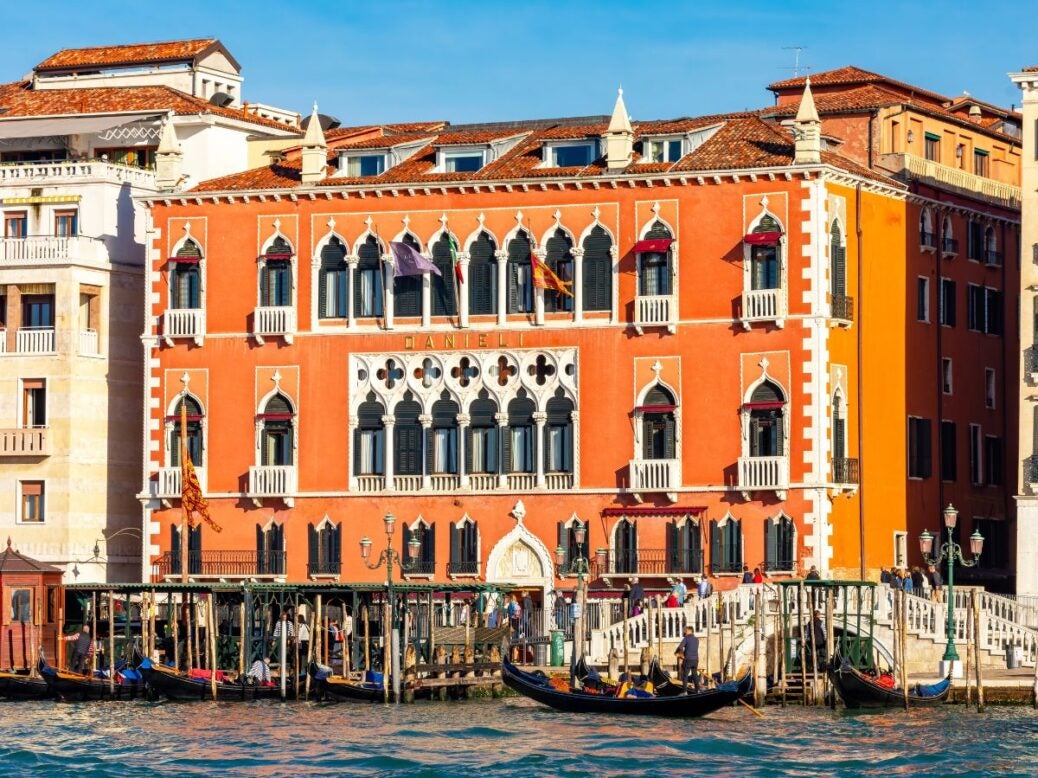
Private wealth now makes up nearly half of all investment in hotel markets across EMEA, according to new data from JLL seen exclusively by Spear’s.
In the first half of 2026, private wealth made up 47 per cent of all investment volume, with private investors involved in €7.2 billion (over £6 billion) of hotel transactions.
The research points to the growing appetite among family offices and UHNWs for a foothold in the European hotel market.

[See also: Mayfair ‘back to the top of the Monopoly board’ as £4 billion makeover gathers momentum]
Related

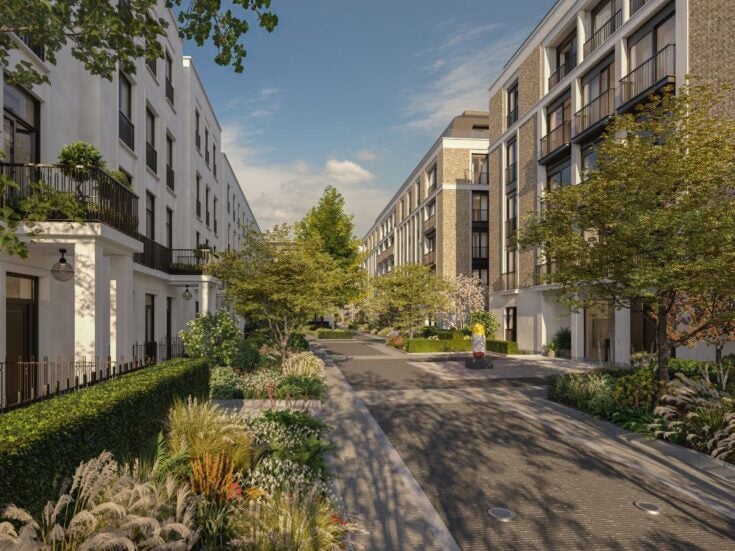

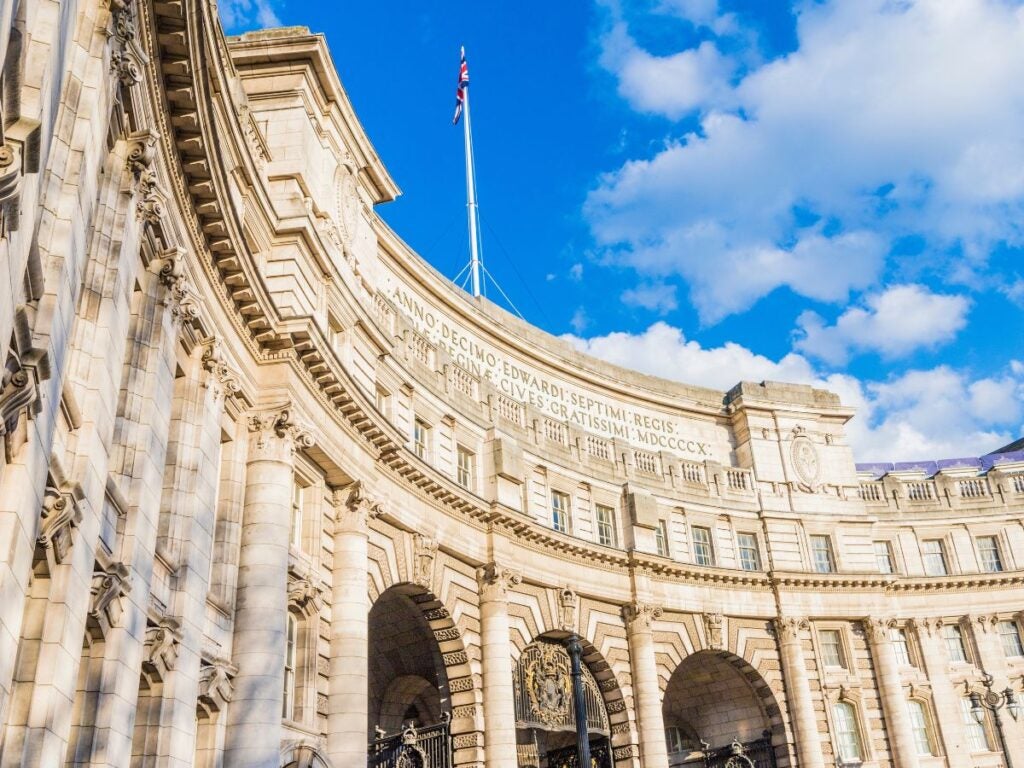
In London, the Reuben Brothers are currently renovating Piccadilly’s Cambridge House and Admiralty Arch as luxury hotels. Admiralty Arch, located at the end of The Mall, is set to open as the Waldorf Astoria London, with bookings available from March next year.
Will Duffey, JLL’s head of hotels and hospitality, capital markets for EMEA, told Spear’s that private wealth’s appetite for European luxury hotels is based on the strong returns they offer, but also the relative scarcity of opportunities.
‘You just don’t see many of them, and then when they do come to market, then it’s like finding a unicorn,’ he said.
[See also: Profile: Shalini Hinduja, behind Raffles London at The Owo]
Content from our partners



Also in London, the Hinduja family owns the first Raffles Hotel in the UK, which opened in 2023 at the Old War Office (OWO) on Whitehall. The OWO is known for its close associations with Winston Churchill and James Bond author Ian Fleming.
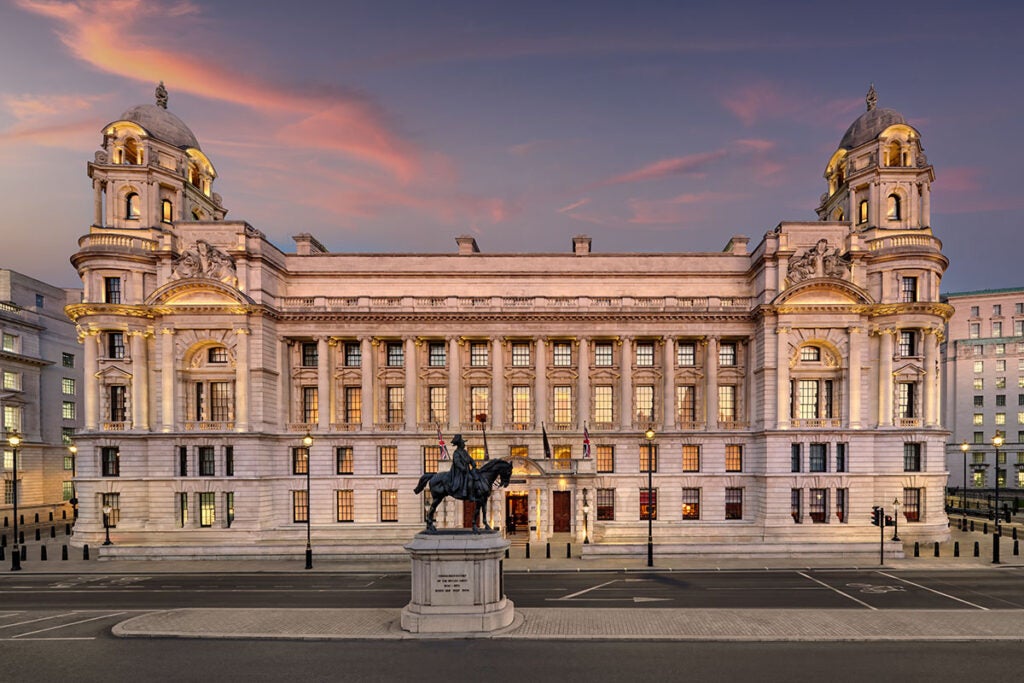
Like the OWO, many of the luxury hotels that have changed hands or undergone investment in recent times appeal to private wealth for their historical, architectural, or cultural significance.
Spain’s richest man Amancio Ortega, the founder of Zara, bought the Banke Opéra hotel in Paris last year, which sits beside the Palais Garnier opera house and the Galeries Lafayette department store.
[See also: The most expensive hotels in London]
‘There are some of these buildings where you get one chance at them in your lifetime, and then they won’t come back again,’ JLL’s Joseph von Maltzahn, head of private wealth for EMEA, told Spear’s.
He added: ‘It’s probably also fair to say that we’ve got quite a list of people that we know are looking for the right building in the right location, or in a specific location, but they’re waiting for the right thing to come up.’
A constrained supply
Duffey adds that with the most expensive luxury hotels in London and Paris, their owners are unlikely to want to part with them anytime soon, given how strong they are as assets.
[See also: Why luxury hotels are betting billions on branded yachts]
JLL’s research found that private investors made €4.5 billion in EMEA hotel acquisitions in the first half of 2026, which the company said showed ‘growing deployment capacity’ but also ‘increasing sophistication in underwriting complex hotel assets’.
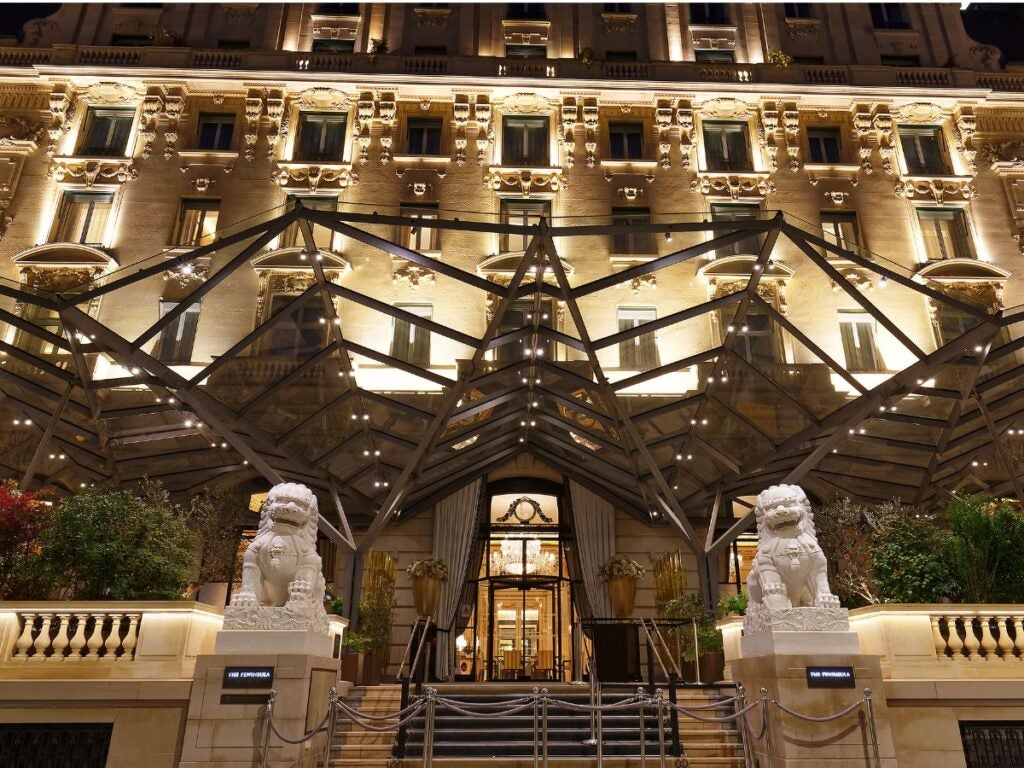
In August this year, the Financial Times reported that billionaire Sir Christopher Hohn’s hedge fund TCI invested $636 million in loans to a series of Italian ultra-luxury hotels.
Hohn’s fund, known for its small number of high-conviction bets, backed the Danieli in Venice, the Caesar Augustus in Capri, the Six Senses on Lake Como and the Mandarin Oriental in Milan.
[See also: Ultra-luxury hotels double down on high-net-worth travellers]
Will Duffey told Spear’s that investments like Hohn’s are partly explained by the ‘flood of credit in the market’ looking for a home, adding that some luxury hotels are perceived as undervalued.
‘Some of these hotels have never seen a trade, or haven’t been traded for many years, so you don’t actually know the true value of them,’ he said, meaning investors in hotels feel their position to be ‘very secure’.
Duffey added that when luxury hotels do change hands, there are often other factors at play beyond whether it’s a financially beneficial transaction.
[See also: The Savoy puts its Deco heritage back in the room]
‘We sold the Ritz-Carlton in Vienna a year or so ago. That was bought by Middle Eastern capital [UAE-based Eagle Hills] but they also bought that because there was a relationship with OPEC [the Organization of the Petroleum Exporting Countries] there,’ he said. OPEC’s headquarters are located in Vienna.
‘They wanted to own it as they felt there was a benefit because of what was happening next door to them,’ Duffey said.
Despite the relatively scarce number of new opportunities, private investors can look ahead to a few luxury hotels which may make an appearance in the investment pipeline.
[See also: Hotel review: The Goring, London]
‘There’s the Bauer in Venice, for example, which is going through a major refurbishment capex plan at the moment, and that’s owned by more institutional capital that may sell once they’ve completed the works,’ Duffey said.
Another example is the Westbury Hotel, which was being redeveloped to the St Regis, which is set to open in December this year.
For private investors looking for a route into a competitive luxury hotel market with few openings, these may present the best bets for now, but many will hope for further opportunities to come.