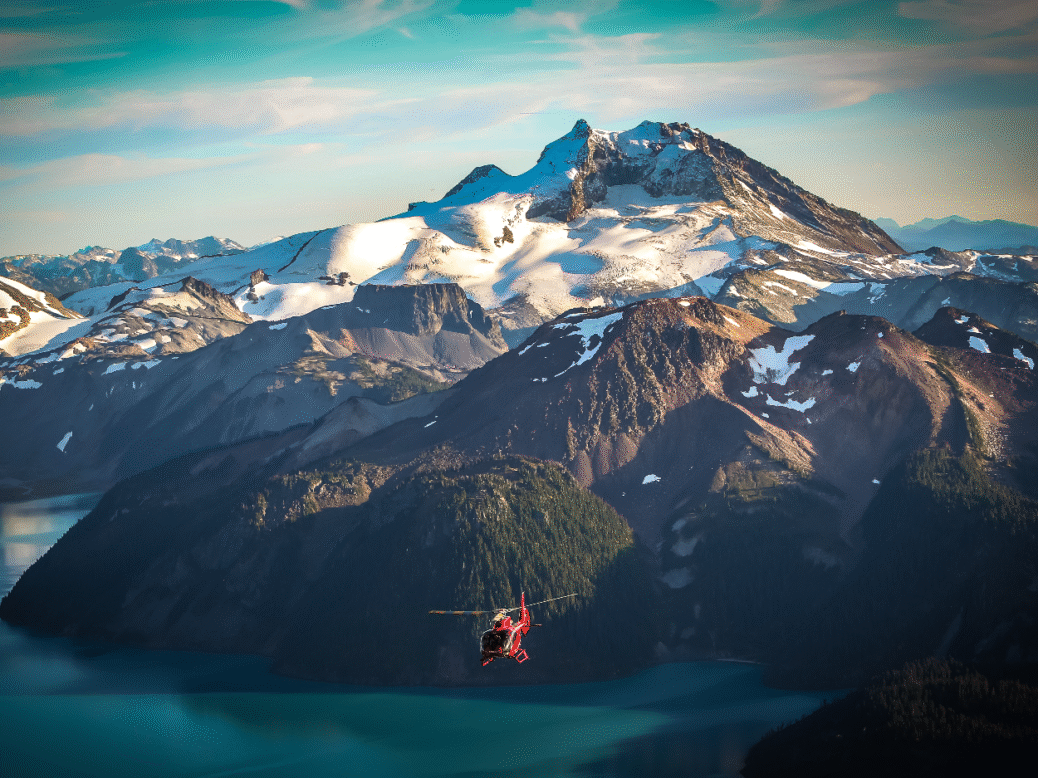
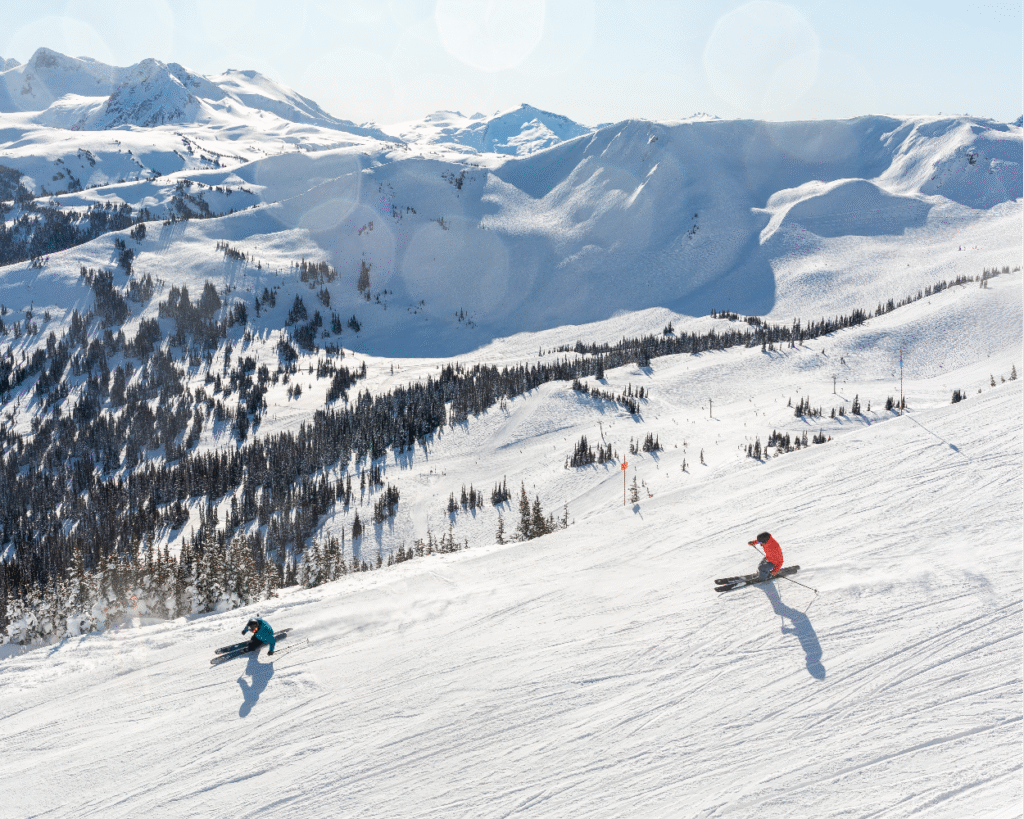
In terms of its skiable area, Whistler Blackcomb is the largest alpine resort in North America. Its two mountains create a single resort (referred to simply as ‘Whistler’) with more than 3,000 hectares of skiable terrain, as well as 1,600 metres of ‘vertical’ (the difference in altitude between the top and the bottom). It receives an average of 11.6 metres of snowfall annually, compared with 5-6 metres for a European resort such as Val d’Isère.
Without question it is one of the greatest places for snow sports, especially if you consider the regularly updated highspeed lift system and that the town is a base for several heli-skiing operations that whisk adventure-seekers from the heliport into 175,000 hectares of wilderness. But, in 2026, as it marks 60 years of ‘lifted skiing’, Whistler also feels like a place coming to terms with a split personality. One side of its character is defined by community-minded locals, legions of free-spirited seasonal workers and the humble Canadian national character, while the other is shaped by sharply rising real estate prices and an avalanche of wealth.
[See also: As snow becomes scarcer, billionaires turn skiing private]

‘It’s been incredible to watch,’ says John Ryan, the founder of Whistler’s premier real estate brokerage, John Ryan Personal Real Estate Corporation, operating since 1988. ‘I can remember the first million-dollar sale in Whistler. That was probably back in the late Eighties, or in 1990. Now you can’t get a one-bedroom condo for a million [CAD].’
Related


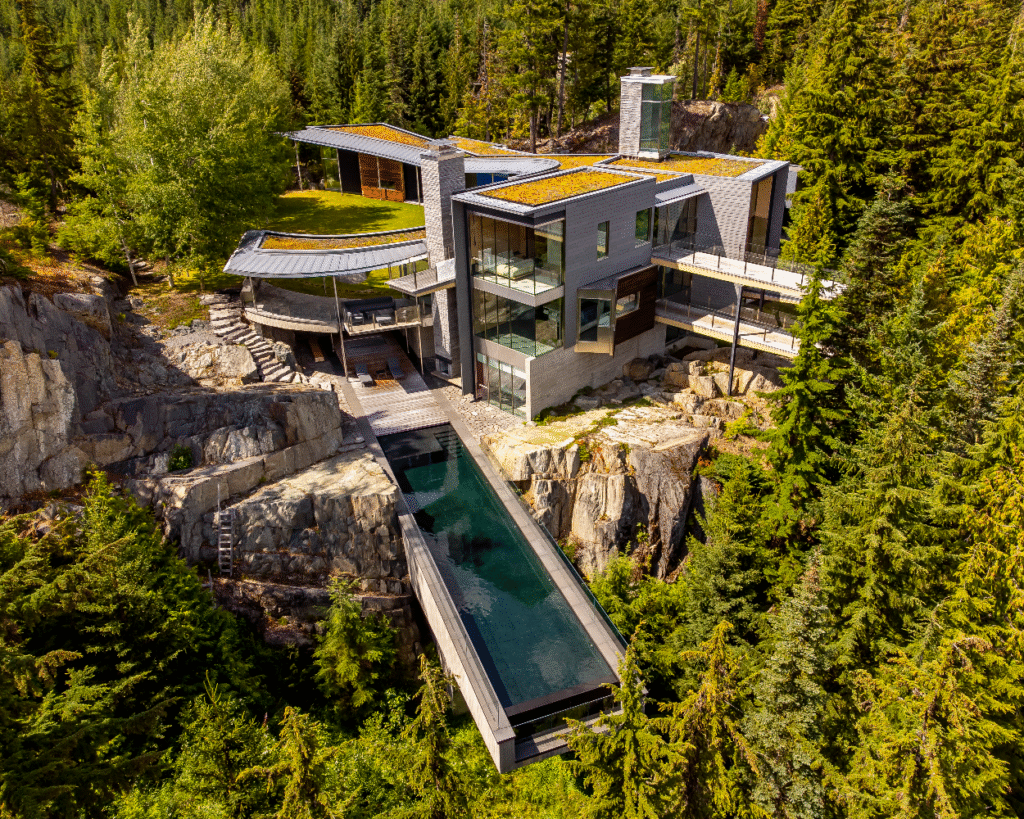
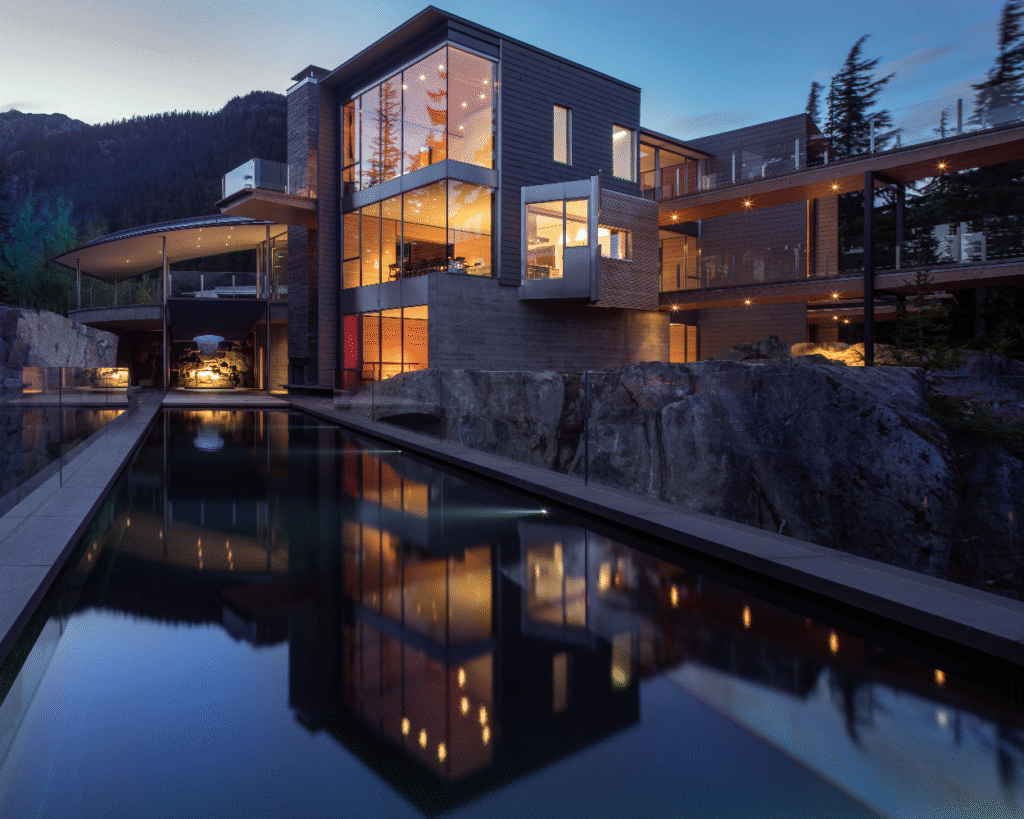
In 2023, amid a pandemic-initiated real estate boom, Ryan sold the most expensive property in the town’s history. The vast home in the exclusive Stonebridge neighbourhood has a 25-metre swimming pool that is both cut into, and cantilevered out from, a cliff edge so that it hangs over the wooded slopes. It changed hands for C$32 million, with the buyers also netting a neighbouring 10-acre lot on which they began building another property to complement the main house, taking the total purchase price to over C$40 million.
[See also: Uncertainty around snowfall: the best ski resorts to buy property in]
However, Whistler sits in just 27th place on Savills’ global list of ski resorts ranked according to the cost per square metre of prime real estate. It’s true that the top 20 is dominated by Europe and that only two North American ski towns sit above Whistler in the table, but these two – Aspen and Vail ($40,755 and $21,241 USD per sq m, respectively) – are way ahead of their Canadian competition ($14,044 USD per sq m).
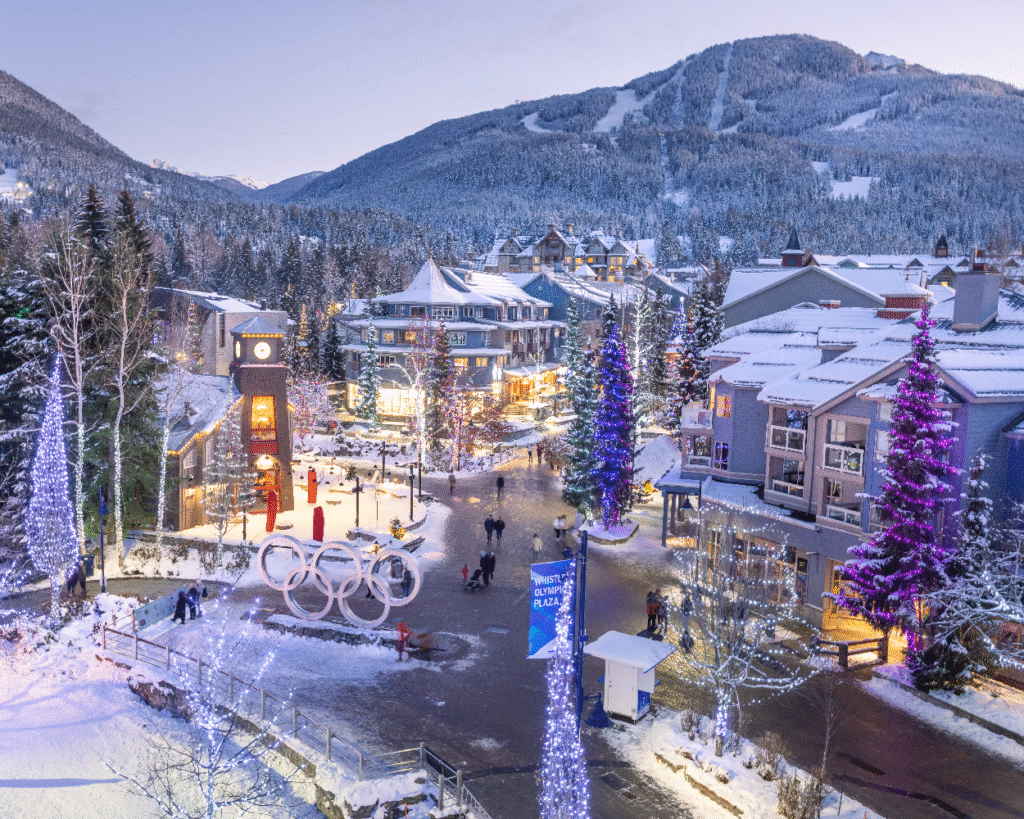
Many parts of Canada have restrictions on foreign property ownership – but not Whistler. Even so, Ryan says, Canadians account for a steady 70 or 75 per cent of buyers at the top end. ‘Vancouver is a very affluent city,’ he says. ‘So that’s our main market.’
Content from our partners



As well as earning a reputation as ‘Hollywood North’, thanks to its status as a hub for movie-making, the capital of British Columbia is a focal point of wealth from natural resources and a popular location for wealthy Asian families to buy property (after their children have been to university and gained residency). But it’s not the only point of focus, says Ryan. ‘Toronto, especially since Covid, has really kicked in as a strong market. And then the western US… Seattle has always been a huge market.’
High-profile figures from several spheres are regularly spotted in Whistler. The Beckhams have been regular visitors, often staying in the exclusive neighbourhood of Kadenwood, which benefits from a private gondola only accessible to residents. Vancouver-born actor-turned-entrepreneur Ryan Reynolds and his wife, the actor Blake Lively, come often too, and everyone from Prince Harry to Kim Kardashian, Dwayne Johnson and Kiss frontman Gene Simmons have been. More conspicuous than most is the comedian Chelsea Handler, known for celebrating her February birthday by taking to the slopes in little more than a bikini, goggles, gloves and ski boots.
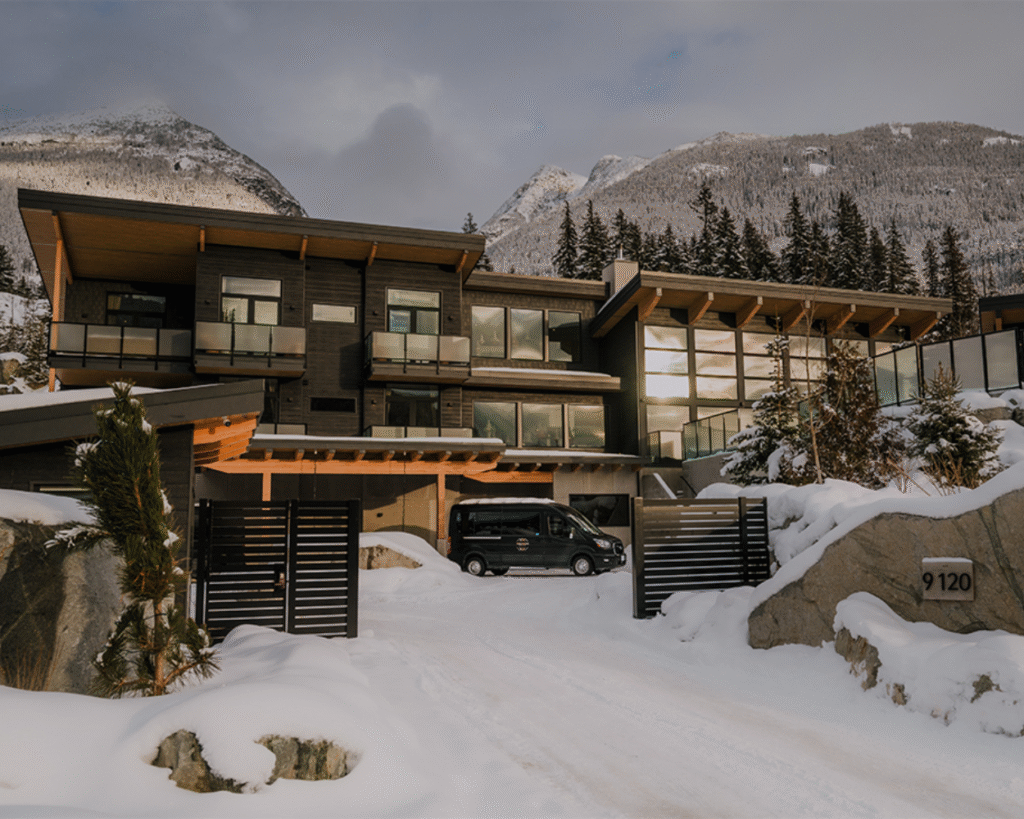
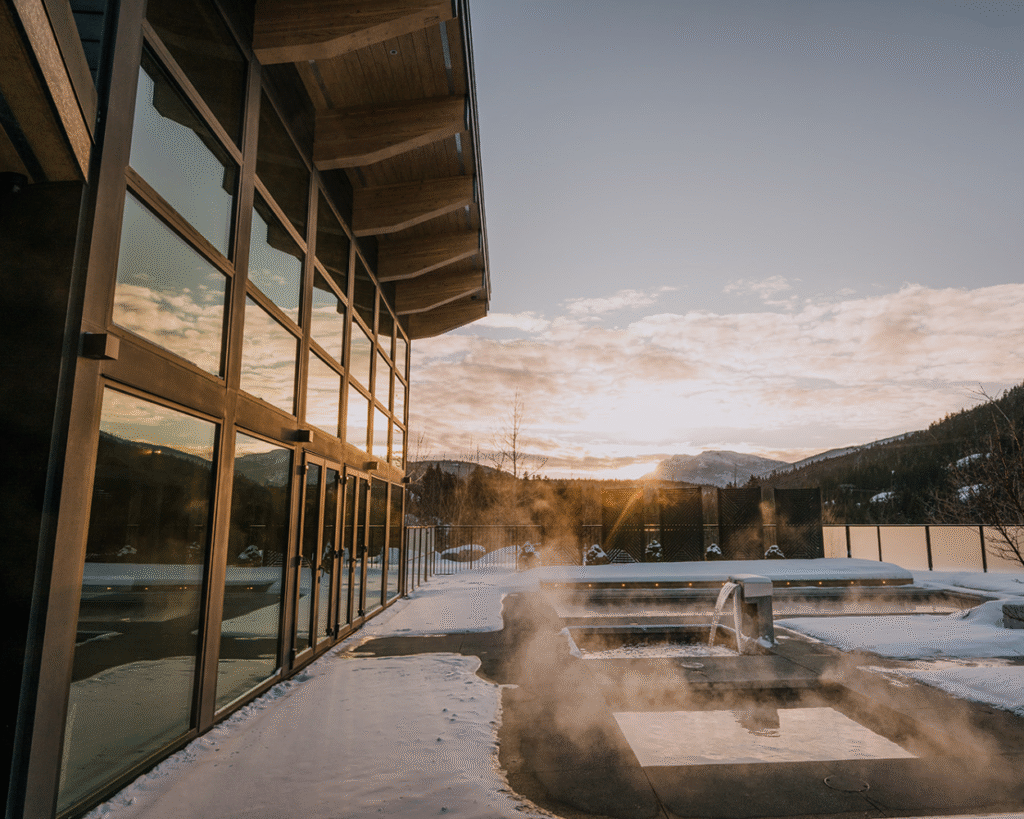
The influx of celebs and much lower-key but often wealthier visitors is gradually changing the market, says Dan Holdsworth, the owner of a 12,000 sq ft, 10-bedroom, purpose-built chalet replete with its own spa and vast outdoor entertaining area. The property, Wedge Mountain Lodge, is 15 minutes’ drive north of Whistler village in a secluded area near Green Lake, and can be hired out from C$6,500 per night.
Holdsworth, a Brit (and, full disclosure, my contemporary at Durham University), saw an opportunity to take the high-end, full-service chalet offering that has been de rigueur in Europe for decades and import it to Canada. Typical guests are fully kitted out in Arcteryx or Patagonia gear and ‘out the door by 8am’, he says. Usually, it’s one person, perhaps the family patriarch, who picks up the tab – which is also likely to include add-ons for food, entertainment and additional excursions. For one family, Holdsworth arranged for a seaplane to splash down on a nearby lake and take them whale watching on a private boat off the coast of Vancouver Island. The day trip cost around C$45,000.
Whistler’s evolution is also being shaped by Vail Resorts, the publicly listed company that has run the mountain and owned the infrastructure since its acquisition of the resort in 2016. Vail is perhaps best known for its Epic Pass – an annual ski pass that offers unlimited skiing at 42 core North American resorts as well as access to elite European destinations such as Verbier and Crans-Montana for about $1,000 USD per year. When you consider a lift pass for a single week of skiing in a European resort such as Val d’Isère can cost into the thousands of euros, it’s clear the product offers astonishing value for someone able to ski multiple times a year. However, the arrangement is not necessarily conducive to encouraging new or casual skiers to take up the sport. Despite strong visitor numbers for the industry at large, the company’s share price has declined fairly steadily since 2021. In 2025 Vail welcomed back former CEO Rob Katz, who is simplifying some products and creating more attractive entry points and prices for the casual crowd – so long as they are ‘friends’ of full Epic Pass holders.
Readers perhaps needn’t try too hard to imagine the dynamic that exists between an all-powerful corporation and the winningly relaxed ski-bum crowd that accounts for so many of the people who live and work at the resort. There is also some tension between the number of people who want to ski (several recent seasons have ranked among the highest ever for visitor numbers for the industry as a whole) and the amount of snow that is available for them. Recent snowfall patterns and temperatures have not been as healthy as in previous years. For some, the answer is to seek out fresh powder with one of the heli-skiing operations based in Whistler. The oldest, Whistler Heliskiing, has been going for 45 years and offers a day of heli-skiing from C$1,600 per person.
On my trip late last year I was due to give it a try. Poor visibility and high winds put paid to that. However, on days when flights are cancelled, there is the option to go on ‘Dawn Patrol’, which enables you to ski with one of the heli guides, accessing the mountain via the usual lifts before they are open to anyone else and then jump the queues for the rest of the day. On a ‘powder day’, it’s not a bad fallback option, as I discovered.
For visitors who enjoy the finer things in life, Whistler offers two marquee five-star hotels. The Four Seasons first opened its doors in 2004; the Fairmont Chateau is older (1989), but benefits from its prime location, right next to the foot of a high-speed gondola that rockets you to the top of Blackcomb. It feels like a well-run machine, but guests in search of a little more calm and comfort can book into one of the Fairmont Gold rooms on the eighth floor, which offers a boutique ‘hotel within a hotel’ and a private lounge serving meals and snacks throughout the day.
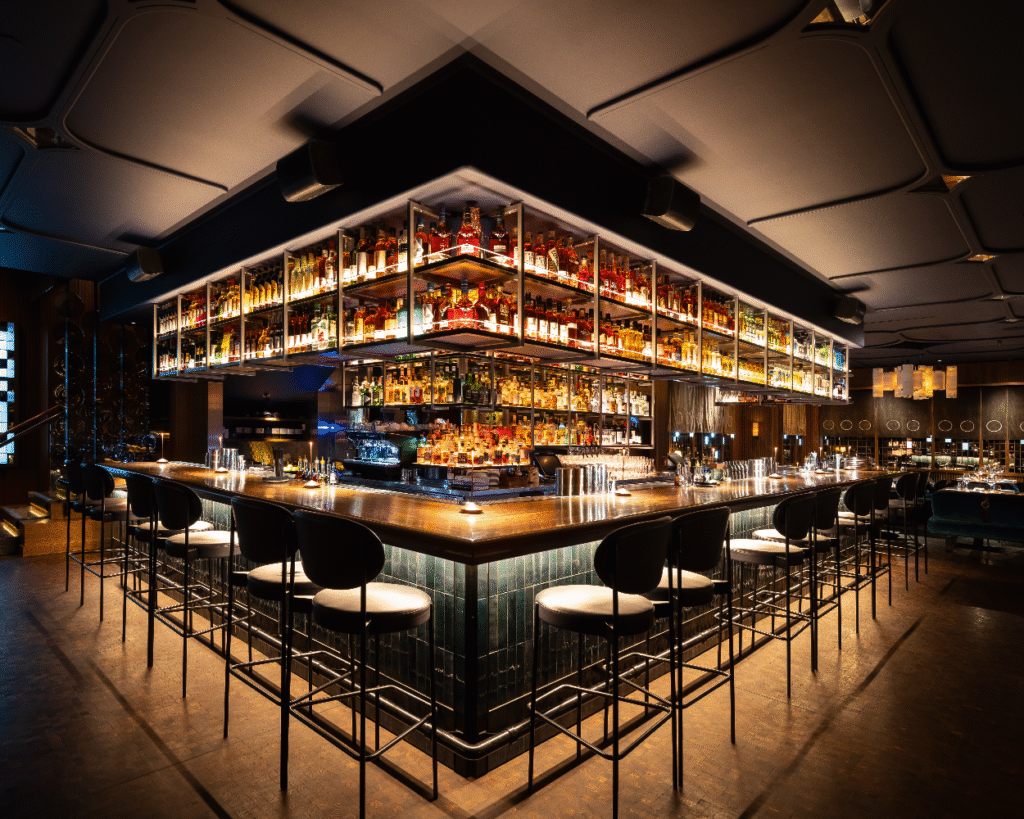
In town, notable options for dinner include Bearfoot Bistro – an old-stager with white tablecloths and a 16,000-bottle cellar where guests can sabre the top off a Champagne bottle – and Wild Blue. The latter opened in 2022 as a modern fine-dining concept from the inaugural winner of Iron Chef Canada, Alex Chen, and serves dishes such as hamachi crudo with fennel, ponzu gelée and shiso flowers.
So, where does Whistler go from here? The town is almost as big as realtor John Ryan thinks it can ever be. He notes there is very little additional land zoned for residential development and adds that anyone advocating for more would never be voted in as mayor. ‘There’s still the ski-bum culture here,’ says Ryan. ‘People just don’t want it to get any bigger. I benefit probably more than anybody from development, because we sell new developments. But, at the end of the day, the town’s pretty perfect the way it is.’ This chimes with what I hear at the end of a day’s skiing, when I get chatting on a gondola with Phil, a 40-year Whistler veteran who says being an expensive place isn’t necessarily a bad thing. ‘In Whistler you’ll see more people smiling and laughing than anywhere else on earth. You’re either happy to pay what it costs to be here, or you move on – or never come in the first place.