First, Space X. Now, Anthropic and OpenAI are expected to follow within the year. The era of the ‘tech mega-IPO’ is well and truly here – and creating wealth at a dizzying pace.
OpenAI hit a valuation of $852 billion in April, while Anthropic was valued at $965 billion the following month. Their ambitions for trillion-dollar stock market debuts are not seen as unrealistic by many. Overnight, their founders and investors will see their liquid wealth soar – and the philanthropy sector is starting to plan accordingly.
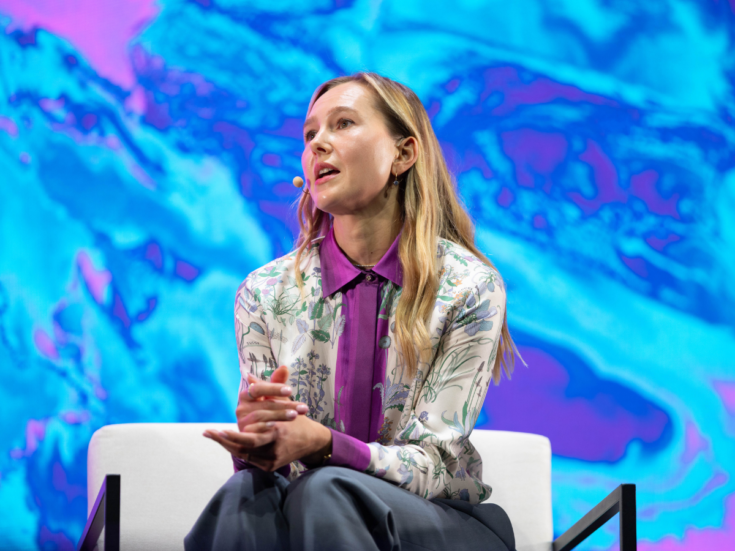
In a much-discussed blog post earlier this year, Nan Ransohoff, head of public goods at the fintech Stripe, christened this moment the ‘third wave’ of American philanthropy, and argued that the current AI boom will likely add between $37 and $100 billion per year in intended philanthropic spend.

[See also: Everything we know so far about Anthropic’s ‘Claude for financial advisers’]
Related
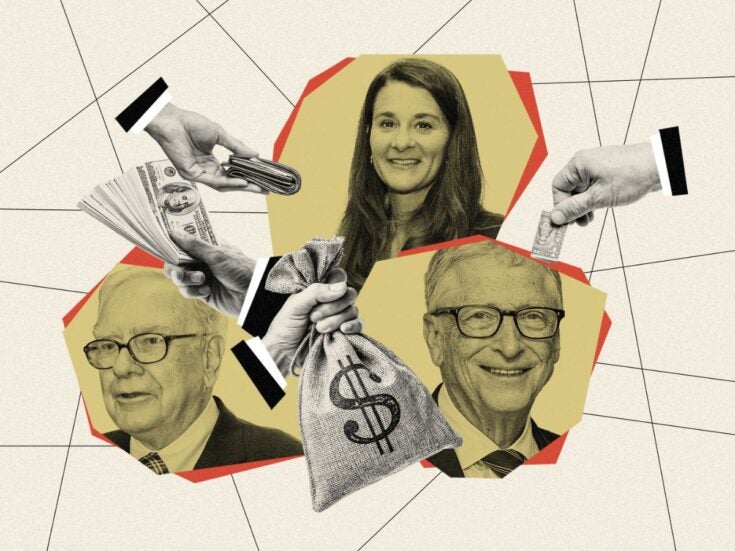
Anthropic CEO Dario Amodei recently said the company’s seven co-founders have each pledged to donate 80 per cent of their wealth. Forbes estimates that each co-founder is worth around $15.5 billion – which, in theory, means $86.8 billion going to charitable causes from those seven alone. From philanthropy advisers, there is a real sense of excitement at what this moment could represent.
The sums involved more than explain this excitement. The Anthropic and OpenAI IPOs could unlock $430 billion for charity, according to The Economist – a figure it says is ‘roughly equivalent to two Marshall Plans’ in today’s money.
Ben Morton Wright, who founded philanthropy consultancy Global Philanthropic, praises the Anthropic co-founders’ 80 per cent pledge as ‘absolutely the right starting point’, and says that it ‘could be a whole new model for how we address some of these issues’ – while cautioning that the AI billions talked about by some are yet to materialise.
[See also: Is the AI boom bursting wealth management’s bubble?]
Content from our partners



‘Have we seen the evidence yet? Probably not. I am in the middle of it all, and I am not seeing hard evidence of billions being committed to some of these big problems,’ he adds.
Those who stand to make the largest sums from the coming AI gold rush are, in most cases, deeply embedded in the Silicon Valley ecosphere, and have distinct priorities that shape their philanthropic approaches.
Effective altruism (EA) – which encourages a rationalist, data-driven approach to philanthropy – is, by all accounts, a strong influence.
[See also: UHNW philanthropy hits $250 billion, as ultra-wealthy fill public funding gaps]
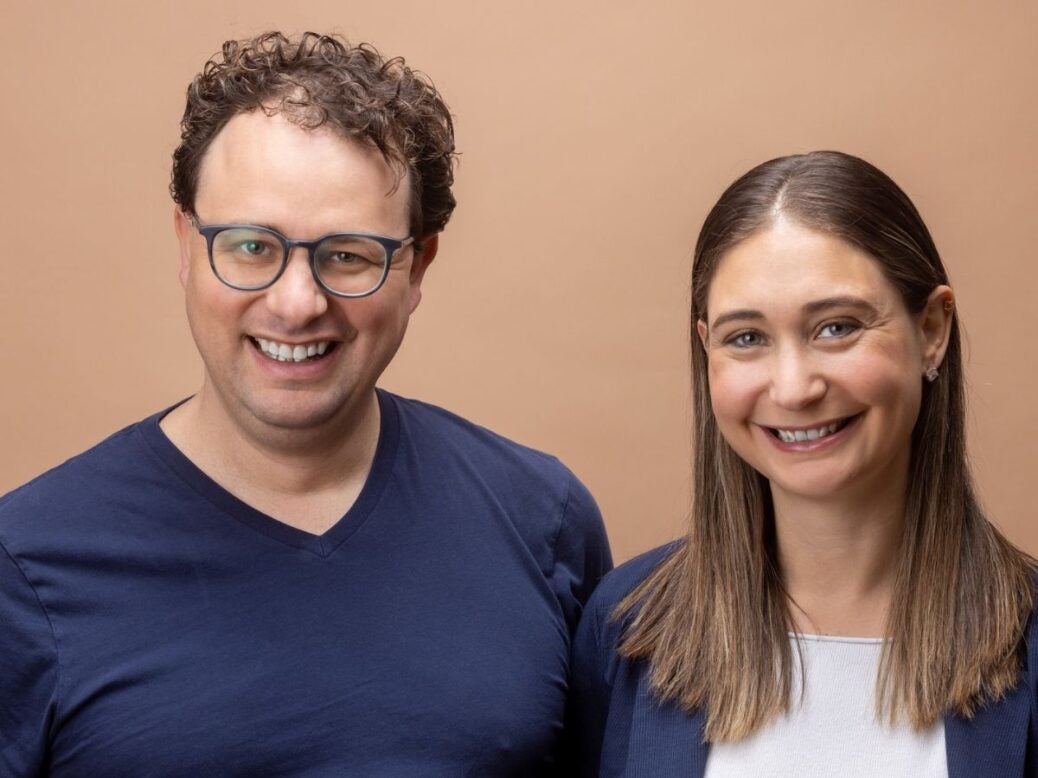
Anthropic president Daniela Amodei is married to Holden Karnofsky, one of the co-founders of Coefficient Giving (previously known as Open Philanthropy), which was influenced by the ideas of Peter Singer – the Australian philosopher widely seen as the ideological father of the EA movement.
According to the Financial Times, more than 60 current and former Anthropic employees have signed the ‘10 per cent pledge’ by the EA-aligned platform Giving What We Can – where signatories commit to donating 10 per cent of their wealth.
Speaking to Spear’s, the platform’s CEO Sjir Hoeijmakers says the organisation broadly splits its philanthropy into three causes: global health and development, animal welfare and risks to humanity (which includes the threats posed by AI itself).
[See also: ‘Don’t be scared’: how younger UHNWs should go about giving their money away]
Global health has long been a favoured destination for the tech wealthy’s money. GiveWell, founded by Karnofsky, has given over $2.6 billion to causes since 2011, and currently lists charities fighting malaria and vitamin deficiency as its top beneficiaries.
Hoeijmakers believes effective altruism has regained some of its momentum after the fallout from Sam Bankman-Fried’s conviction in 2023, and the collapse of his cryptocurrency exchange FTX.
‘It’s not that everyone is super-confidently saying: “We know exactly what we’re doing”, but I think maybe it has grown up a little bit, and there is now more of a grown-up excitement of, yes, let’s do this, take into account the lessons we’ve learned, and grow again,’ Hoeijmakers says.
Not everyone set to benefit from the Anthropic and OpenAI IPOs is a signed up effective altruist by any means, but those who know the philanthropy sector well believe the movement’s ideals have shaped the conversation around giving in Silicon Valley circles.
‘There does seem to be a strong effective altruist influence and way of thinking among this crew. I think there’s positives to that – it comes from a place of: “We want to actually do as much good as possible with these resources for the world”, so that’s a really great thing,’ says Abe Grindle, a director at philanthropy organisation Co-Impact.
He adds: ‘I think where it falls down or has big risks is when it gets taken to an extreme.’
One criticism made of EA’s influence on the tech giants is that it has led to an excessive focus on measuring outcomes and eschewing what is perceived as ‘traditional philanthropy’.
In her blogpost, Ransohoff called for a ‘Silicon Valley for public goods’, and claimed that thousands of ‘philanthropic startups’ would be required to administer the coming billions from the expected AI IPOs.
Not everyone agrees that such a complete overhaul is needed. The priority should, some argue, instead be to foster stronger relationships between the philanthropy and tech sectors.
[See also: Why UHNW donors are turning to unrestricted trust]
Morton Wright’s organisation, Global Philanthropic, plans to hold a summit in Switzerland this November, bringing together an invited audience of more than 300 HNWs, policy leaders and United Nations organisations to address the question of how to make philanthropy work better.
The blockbuster IPOs of Anthropic and OpenAI could be a gamechanger, many agree – but only if the new generation of AI philanthropists can match their warm words with hard cash.
This may mean a move away from the use of donor-advised funds (DAFs), which critics believe can appeal more for the immediate tax benefits that donor advisers receive, rather than for their philanthropic impact. As of 2024, DAFs held roughly $326 billion in the US, according to the DAF Research Collaborative, and continue to grow faster than any other philanthropic vehicle.
According to Ransohoff, Anthropic employees could have up to $60 billion in DAFs after the IPO, due to the company’s philanthropic matching programme.
In other words, a lot depends on how things go once the two AI behemoths go to market. The companies’ investors aren’t the only ones waiting with bated breath.