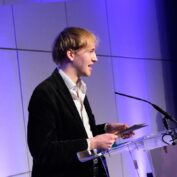
Younger UHNWs are asking ‘more demanding questions’ of philanthropy, according to research by the Swiss private bank Lombard Odier.
A younger cohort of donors want to explore different ways of giving, the bank found, and are more engaged in ‘the mechanics of giving’ – including using data to measure the outcomes of philanthropy.
Lombard Odier surveyed 260 HNW individuals across Switzerland, Singapore, the UAE and the UK for its research. They found that while four in five of the individuals they spoke to think younger and older generations are aligned on the ‘values’ behind philanthropy, younger donors are changing how it is delivered.
[See also: Why UHNW donors are turning to unrestricted trust]
Related
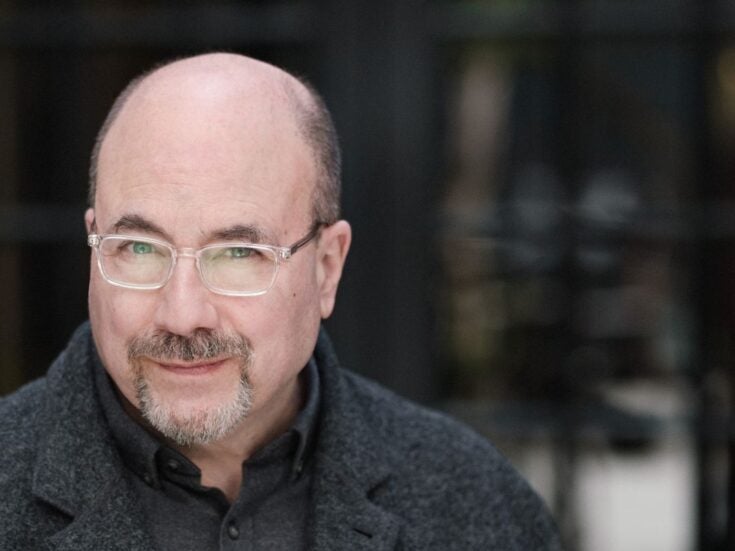
Younger donors, defined by the bank as under the age of 45, were nearly three times more likely than donors older than 45 to cite ‘measurable impact’ as a priority in their philanthropy, the bank said.
The findings suggest the continuing influence on younger philanthropists of the ideas behind ‘effective altruism’ – which prioritises efficiency, and selecting causes based on calculating their impact, often through data.
This kind of approach has had its critics. As Spear’s wrote about earlier this year, some UHNW donors are turning to unrestricted trust – which is the idea that the most effective action a donor can take is to provide large, no-strings-attached grants.
[See also: How the next generation of donors – and advisers – can shape the future of philanthropy]
Content from our partners



‘Be active’ and work out who you trust
Maximilian Martin, Lombard Odier’s global head of philanthropy, told Spear’s he thinks the approach of the next generation of philanthropists has a lot of potential: ‘The exciting thing is that people want to be involved. They are digitally literate. They are proactive.’
‘They have an experimental mindset, and they try out stuff – if it doesn’t work well, they’ll do something different. That is very healthy,’ he added.
In some cases, Martin said, there is a desire amongst younger HNWs to collaborate with one another on philanthropy – but donors were unsure how to go about this in some cases.
[See also: UHNW families prioritise values over inheritance]
For UHNWs in this position, Martin said the priority should be to start giving to a few causes, and then start conversations with peers from there.
‘If you’re a philanthropist, and you’re not doing anything, there’s nothing that you can compare notes about – so don’t be scared,’ he said.
‘Fund a couple of organisations based on the system that you have now. Be thoughtful about what you fund and be willing to share what you fund with others, because you can’t collaborate if you don’t want to disclose what you’re funding and why.’
[See also: The best philanthropy advisers]
Martin told Spear’s he would also advise wealthy individuals who are new to philanthropy to think carefully about their trusted circle.
‘Make sure that you have people around you that keep you honest, [and] people you can trust,’ he said, ‘and allow people into the space who genuinely challenge you so that you can achieve the full impact of your fund.’
As of June 2026, Lombard Odier, which is headquartered in Geneva and also has a private banking team based in London, had total client assets of 367 billion Swiss francs.