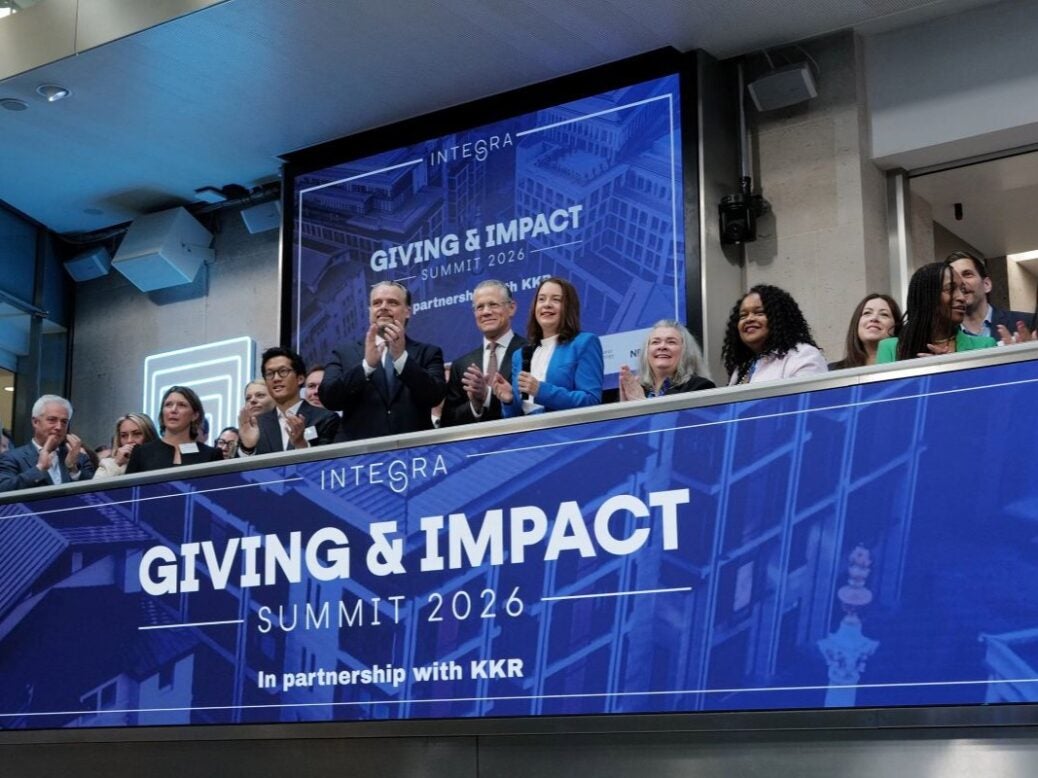
UHNWs must step up philanthropic efforts, the UAE’s special envoy for business and philanthropy has declared – as charity bosses seek to promote safety and stability in the sector amid a fall in confidence.
Gulf businessman Badr Jafar, who is also the CEO of Crescent Enterprises and president of Crescent Petroleum, said philanthropy is the ‘forgotten child of the capital system’ at the Giving and Impact Summit at the London Stock Exchange on Wednesday. He argued philanthropy cannot be ‘truly powerful’ until it is practised with the same ‘rigour, discipline and accountability’ as other types of capital.
‘Philanthropic capital is too often deployed episodically,’ he said, continuing it is ‘rightly celebrated, of course, for its generosity’ but ‘rarely examined for its impact’.
Related

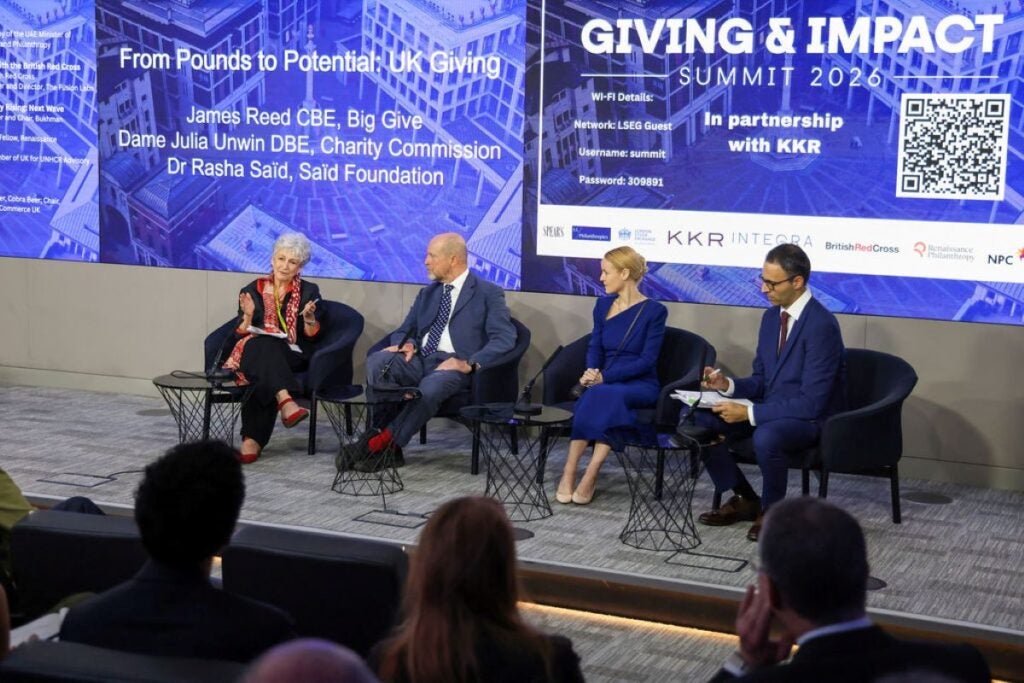
Jafar’s comments come amid an approximate 10 per cent drop in charitable giving in the UK, with £14 billion donated to charity in 2025 compared to £15.4 billion in 2014, according to the Charities Aid Foundation.
Other speakers pointed towards a fundamental lack of confidence in the giving system as the biggest barrier to encouraging more UHNWs to give more. ‘We need to be much more celebratory about the power of philanthropy, the power of charity and the importance of it in our society,’ said Julia Unwin, chair of the charity commission, which regulates 170,000 charities and around £100 billion of charitable monies each year.
But she claimed negative stories about charitable enterprises may be deterring investment and donations. ‘That is such a minority,’ she said. ‘I think we can deal with the abuses quickly and appropriately.’
[See also The best philanthropy advisers]
Content from our partners



Sarah Brown, founder of children’s charity Theirworld and wife of former prime minister Gordon Brown, explained that despite an overall drop in charitable donations, private philanthropy has overtaken government grants as the largest source of giving – marking a ‘structural shift; in how the UK operates. Even with this change, still only 10 per cent of UHNWs are actively engaged in philanthropy in the UK.
‘We need more ultra-high net worths to come in as champions,’ said James Reed, chair of the Big Give. ‘We want to relieve people of what we call “financial obesity” – believe me, you will feel a lot better when you get into it.’
The summit, presented by Integra and supported by partners including Spear’s, KKR the British Red Cross, New Philanthropy Capital and Renaissance Philanthropy, heard from speakers across the sector as to the reasons why charitable giving has dropped.
[See also: Why I’m selling a $20 million Rembrandt and giving the proceeds to charity]
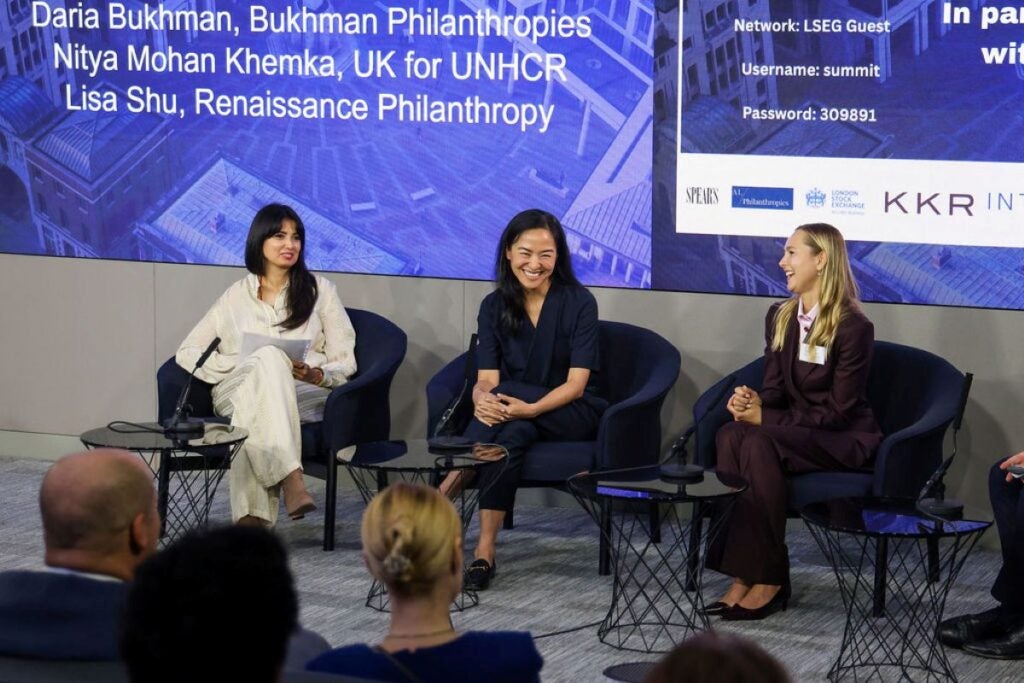
Another barrier is a lack of infrastructure, argued Lisa Shu, talent discovery fellow at Renaissance Philanthropy. ‘Many philanthropists do not want to set up a 50-person foundation in order to solve their problem,’ she said.
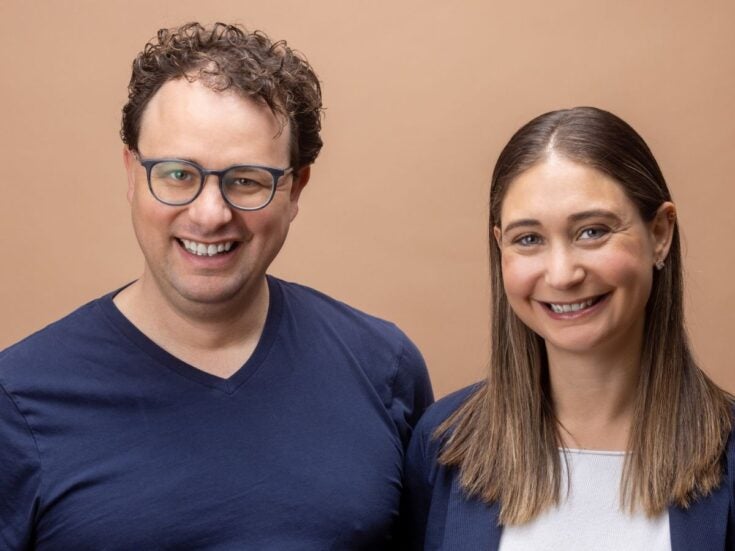
Yet this barrier may be more mental than it is physical. Since the launch of their philanthropic foundation in January 2025, Dmitri Bukhman, the billionaire mobile games entrepreneur, and his wife Daria, have committed $100 million in multi-year grants to charities which promote literature, youth mental health and the wellbeing of mothers and babies through Bukhman Philanthropies. Daria says she was moved by ‘curiosity and compassion’, and wanted to act quickly. Her family office assists with due diligence and budgeting, but the ‘identifying [of] charities, assessing proposals, updating our website and social media,’ is all down to Daria. Her advice to philanthropists? ‘Begin with what moves you, what you care about and where passion and compassion meet, and infrastructure can always follow’.
‘Collaboration’ and looking to the long term is key to engaging philanthropists, said Dr Rasha Saïd, co-chair of the Saïd Foundation. ‘When you are trying to build big things and expect a big impact return, that doesn’t happen overnight – that happens when you have a relationship with somebody.’ Said’s foundation supports children in education, working closely with the Said Business School in Oxford. The School’s new Global Leadership Centre in Osney, Oxford, is set to open this September.
[See also: Wealth managers key to boosting donations as UHNWs give less]
Meanwhile, Reed advocated for creating the market conditions to encourage more philanthropy by growing the economy and promoting the foundation of more ‘PhilCos’ – Philanthropic Companies such as Calsberg, Lindt, IKEA and Rolex, where at least 10 per cent of a company’s shares are owned by a charitable foundation. ‘[A PhilCo] is a true business, but it also releases a lot of funds into the community… and it leaves a wonderful legacy, as well as a good business. For entrepreneurs, we think this is a really good model.’
Nitya Mohan Khemka, board member for the UN High Commissioner for Refugees, called for a holistic approach to philanthropy as an integral part of wealth planning. She said: ‘The most successful philanthropists I know don’t separate their philanthropy from wealth. The biggest shift will occur when philanthropy actually becomes part of wealth planning, not just as an afterthought.’
Anecdotal evidence hints at increasing interest for people setting up charities in the UK, according to Unwin. ‘There is a recognition that a well-run, well-supported charitable sector in a country that has been doing this with a regulator for over 170 years…makes us attractive and safe, because people have some reassurance,’ she said. ‘[Giving] is in our DNA as a country.’
And in times of struggle, the urge to give is still very much there. In the spring of 2026, the ‘11.5: Edge of Life’ campaign, set up by Sheikh Mohammed bin Rashid al Maktoum, ruler of Dubai, to rescue 5 million children from hunger, raised AED2.822 billion (approx. £600 million) during Ramadan and against the backdrop of the Iran war. ‘[Philanthropy] endures precisely when it is needed the most,’ said Jafar. ‘The infrastructure of trust is already here[in the UK]’
Spear’s is the official media partner of the 2026 Giving & Impact Summit