
The next generation of Latin America’s wealthiest families is becoming far more international than the generations before it, according to the founder of Brazil’s largest club for family offices.
‘We see the next gen in LATAM [becoming] much more global,’ Mario Cavalieri told Spear’s at FII Priority Europe in Rome last week. ‘The second, third generation have been living abroad, studying abroad, [and] have a broader network – and [are thinking] less about the business itself where the family originated.’
Many of those younger family members are choosing to build careers away from the family business entirely before eventually returning, noted Cavalieri, who is also a partner at BTG Pactual, the São Paulo-based investment bank that serves a large number of the region’s largest family offices..

[See also: The best generational wealth and family business advisers in 2026]
Related

‘We see much more second, third-gen becoming entrepreneurs, venture capitalists or investment managers – not for the family, [but] for big banks, asset managers, hedge funds.’ The path back, when it comes, tends to be deliberate. ‘They want to build their own kind of legacy and their own history, and then later be able to come back to the family,’ he said, typically taking up a role ‘as an executive, or in the governance of the family, as a board member, [or] on any committee.’
BTG Pactual has been present in Europe for almost two decades, said Cavalieri, and the market matters to the bank for two reasons. First, its Latin American clients hold significant investments there, and second, BTG now also serves what Cavalieri called ‘global citizens’ through a bank it acquired in Luxembourg. ‘We compete with the global, huge European banks,’ he said, ‘but I would say we have an edge in treating emerging markets clients more equally than the developed banks.’
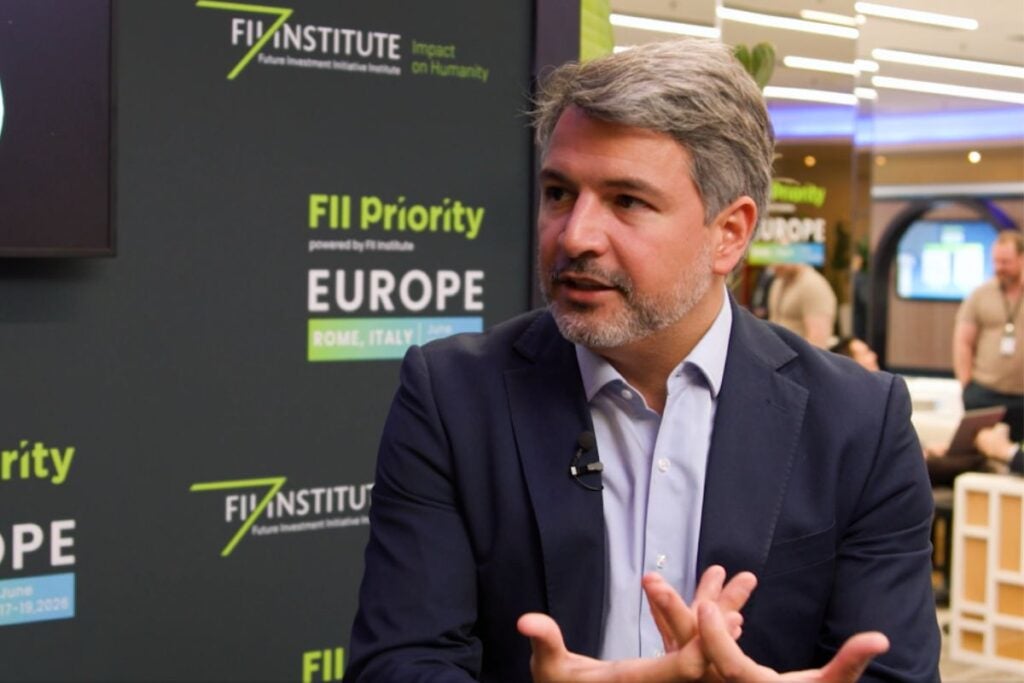
BTG advises what Cavalieri estimated to be 95 per cent of the largest single- and multi-family offices in Brazil and Latin America, which total to more than 115 family office clients. He is also the founder of the Brazil Family Office Club, a network set up in 2018 that has grown from five founding families to more than 100, including, he said, 95 per cent of Brazil’s top 50 billionaire families on the Forbes list.
[See also: Why more family offices are closing or downsizing despite rising wealth]
Content from our partners



Most of those families’ European exposure was historically centred on Switzerland, Cavalieri explained, before spreading to Portugal, Luxembourg and Liechtenstein after around 2015. Their European portfolios tend to sit at either end of the risk spectrum (with bonds and fixed income on the conservative side and real estate and private equity on the other), a pattern he contrasts with the US market’s heavier weighting towards listed equities.
But the principal concern Cavalieri hears from clients about investing in Europe is the slow pace of government policy on technology and business development, which he believes is only aggravated by the complexity of dealing with 27 separate national jurisdictions rather than a single bloc. ‘They fear maybe missing out on one thing or another related to local policies, local economy, which you don’t have in the US, for example, or China,’ he said.
[See also: Goldman boss: Europe on ‘cusp of investment supercycle’]
BTG also operates a regional headquarters in Riyadh, which Cavalieri said was established to ‘bridge the gap’ between Latin America and the Middle East, helping Latin American companies access Gulf capital and Middle Eastern investors reach Brazilian as well as wider Latin American markets. That arm of the bank has completed M&A, capital markets and fundraising transactions and counts several Gulf sovereign wealth funds among its investors in Brazil.
While global trade is being reshuffled, Cavalieri thinks Brazil is well placed to benefit. He explained that the country has plenty of commodities (such as agriculture, metals, mining, oil and gas) but has never really had the infrastructure to add value to them before shipping them out. ‘Now we’re trying to invest and create our own kind of environment to be able to sell these commodities to the world with value added,’ he said.
Brazil’s position also helps, he added: close to the US, but still on good terms with China. ‘This neutrality of Brazil, I think, is an edge for us.’