

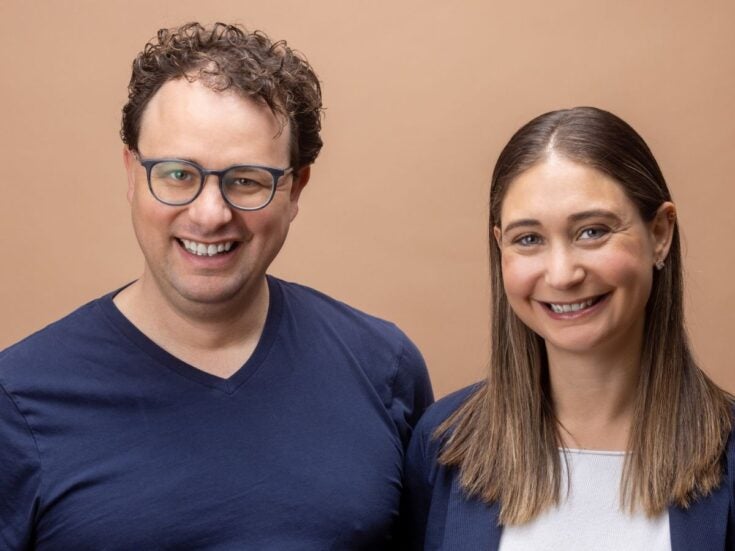
Fifteen years after its founding, the Giving Pledge remains one of the most influential movements in modern philanthropy, uniting the world’s wealthiest individuals in a commitment to give the majority of their fortunes to charitable causes during their lifetimes or through their wills. Launched in 2010 by Warren Buffett, Melinda French Gates and Bill Gates, with Olivia Leland as founding director, it has grown into a global community of more than 250 philanthropists from 30 countries. Today, through Co-Impact, Leland is focused on making philanthropy more effective, collaborative and enduring.
***
When we launched the Giving Pledge (spearheaded by Warren Buffett and Bill and Melinda Gates), our early conversations revolved around how they’d become ‘hooked’ on philanthropy. They’d been spending time with people who were actively driving change and seeing the results of their work first-hand. It was energising for us to witness the potential of philanthropy, so we began asking ourselves how they, and others like them, could better support those on the frontlines of progress.
That’s how the Giving Pledge came about – a way for like-minded wealthy individuals to come together, fund meaningful causes and use their influence to inspire others to do the same.
Related
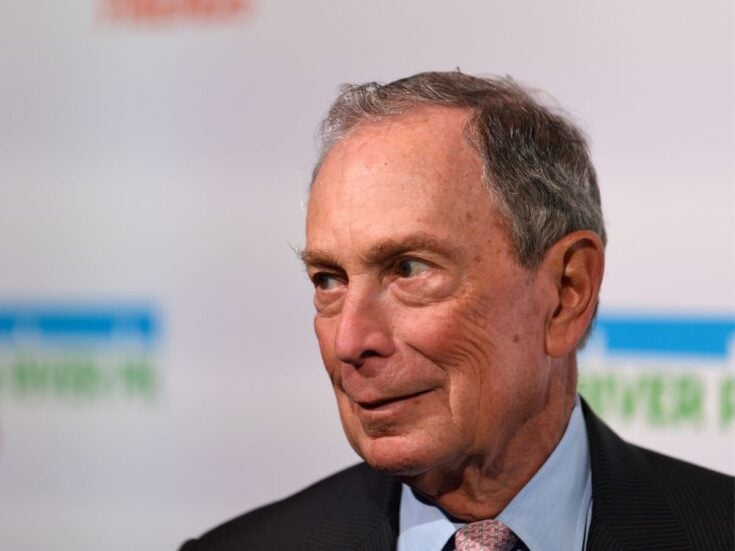

The idea was simple but bold: for billionaires to publicly pledge to give away at least 50 per cent of their wealth during their lifetime or in their wills. When the project began in 2010, we never anticipated how many would join, but today there are more than 250 signatories across 30 countries. [They have pledged an estimated total of $600 billion; signatories include Mark Zuckerberg, MacKenzie Scott and George Lucas.]

Beyond the pledge
In those early days, I remember someone saying: ‘We’re never going to take the pledge – we’re too private and we don’t want our name out there.’ But what they were open to was starting the conversation about philanthropy within their own circles and families. That, too, is powerful. Commitment doesn’t always need to be public – but what matters is turning that commitment, however it’s expressed, into meaningful action. That’s where Co-Impact comes in.
I founded Co-Impact in 2017, and the idea grew out of my experience with the Giving Pledge. One of the most common questions we heard from philanthropists was: ‘How do we find organisations to support that are making a real impact?’ Meanwhile, governments and locally rooted organisations were saying: ‘We need funding – but how do we access it?’
What was missing was a bridge – connecting those ready to give with those leading change on the ground. I sought to bring these two sides together to create a global philanthropic collaborative that unites donors, NGOs and governments, all centred around ‘systems change’.
Content from our partners



The future of giving
The idea is that donors can go beyond contributing to individual projects and support initiatives that fundamentally transform underlying structures. We’re working with an organisation in Indonesia that is building a grassroots movement of women-headed households. This group is working with the government to create a national network of female leaders. Together they’re planning to provide these women with the support and training required to unlock their potential and lead in their communities. The big question then becomes: what does Indonesia look like when women are empowered to work across around 74,000 rural villages?
That’s the kind of system change we’re talking about. We’re not just funding initiatives. We’re facilitating strategic partnerships between donors, local organisations and governments to ensure that large-scale impact can be made and, importantly, sustained over time. This approach has attracted some incredible people and companies.
Maybe I’m just an optimist, but I really do believe that when people come together in community, anything can happen.


