Philanthropy, in the world of serious wealth, is often spoken about in the language of impact investing. Success is tracked through KPIs, dashboards and demonstrable social returns. For many donors, this data-driven approach feels reassuring. It offers clarity, control and a sense of accountability. Yet, a quiet but powerful counter-movement says this can be a major obstacle to transformative change. Instead, it makes the case for something far less familiar to investors: profound and unrestricted trust.
The model of measurable, project-restricted philanthropy operates on a logical and disciplined premise: to achieve a social goal, one must first define it with precision, then fund a specific plan to reach it, and finally, measure progress against metrics set out from the start.
This makes a great deal of sense and provides obvious benefits for a sophisticated donor. It creates a clear line of sight between the capital contributed and the activities undertaken – a non-negotiable where fiduciary duty is paramount. It also allows for strategic agility; if a programme is not meeting its metrics, funding can be adjusted. For families building a legacy or fulfilling ESG mandates, it supplies the tangible data and supporting narratives.

Related



This rational model has, for years, been the default setting.
However, its critics say obsessing over what can be measured can create a stifling power dynamic, where the donor’s prescribed solutions overlook complex, on-the-ground realities. The philosophy of unrestricted giving argues that the true experts are those with years of hands-on experience: non-profits and charities. This means the most effective action a donor can take is to provide large, no-strings-attached grants and provide flexible capital that allows organisations to adapt, experiment and invest in their own resilience.
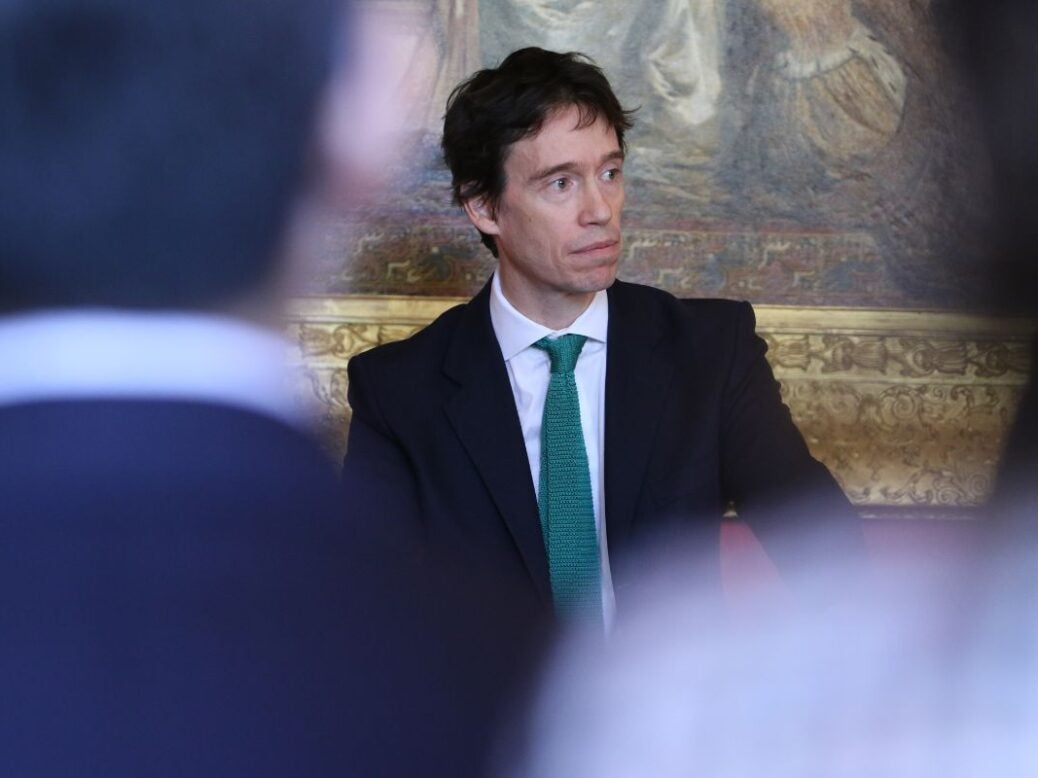
Let’s look at Rory Stewart’s GiveDirectly, which embodies the principle in its purest form. It makes direct cash transfers to individuals in extreme poverty, with no conditions. The premise is straightforward: the poor, like everyone else, are the best judges of their own needs. And a growing body of evidence shows that these transfers significantly improve economic wellbeing.
Content from our partners



MacKenzie Scott has applied a similar philosophy at scale. Through Yield Giving, she has distributed huge sums via large, unrestricted grants, deliberately stripping away bureaucracy and oversight. She has spoken openly about wanting to ‘give up a sense of privilege as a giver’. For donors used to having more control, her approach is something of a provocation: What if the most impactful role is not strategist or architect, but simply capital provider – and then stepping aside?
For the strategic philanthropist, choosing one model over the other as a matter of principle is too simplistic. Context matters.
Of course, measurable, restricted giving can be indispensable for capital-heavy projects such as hospitals, schools or infrastructure, where budgets and timelines matter, or for scientific research, where funding must support a specific, peer-reviewed line of inquiry. On the other hand, unrestricted giving comes into its own when considering issues such as racial inequality or social exclusion, which rarely respond well to rigid project plans.
It is also vital for strengthening an organisation’s core capacity, by investing in leadership, talent and technology – which often yields greater long-term returns than any single, siloed project. Also, in moments of crisis, trusting experienced local actors can produce results that are not only faster, but also more humane.
For family offices and UHNWIs, the path forward is building a portfolio with judgement.
I asked experienced philanthropists for their top tips. Begin with introspection. Diligently interrogate your motives: Am I seeking metrics genuinely to improve outcomes for beneficiaries? Is my philanthropy an extension of my control or an exercise in empowered delegation?
[See also: What extreme wealth means for power, responsibility and society]
Next, evolve your due diligence process. Move beyond focusing only on project proposals to rigorously evaluating leadership quality and operational health. A restricted grant to a poorly managed charity is a poor investment. But a large, unrestricted grant to a visionary leader with a proven track record can be genuinely catalytic. Bet on jockeys, not just horses.
Not only that, but a sophisticated strategy often involves a deliberate, blended portfolio. Consider allocating core, unrestricted funding to a select number of organisations you deeply believe in, treating them as long-term strategic partners. This can be complemented by specific, project-restricted grants for new initiatives or capital projects. Some philanthropists even set aside a portion for direct cash models, embracing the logic of GiveDirectly as both a practical intervention and a reminder of the value of humility.
This article first appeared in Spear’s Magazine Issue 98. Click here to subscribe