Over the past five years, London has seen a mini exodus of professionals moving from City high-rises to working from home. Numerous co-working spaces have attempted to offer an intermediary to this home-versus-office conundrum, often supplying long lines of desks in LED-lit halls, with rows of headphone-clad workers not interacting with one another.
With the aim of providing a space better suited to HNW individuals seeking somewhere for both work and connection, Pavilion opened its first club on Kensington High Street in 2011. Today, Pavilion is a collection of private members’ clubs designed for modern creatives and professionals seeking a balance between work, lifestyle and human connection.
Part of the London-based property group Ocubis, Pavilion now spans four distinctive locations across the capital: Knightsbridge, the City, Fulham and Kensington. Ocubis was founded by the billionaire once-owner of Foxtons estate agents Jon Hunt in 1995, in order to manage his London real estate portfolio. Today, the company is run by his son, Harry Hunt, who oversees Ocubis’ hospitality and property interests.

[See also: The secret life of London’s Billionaires’ Row]
Related



Rather than replicating the same formula across each address, each location has its own visual identity, allowing members to choose the setting that best suits their working day, according to the club.
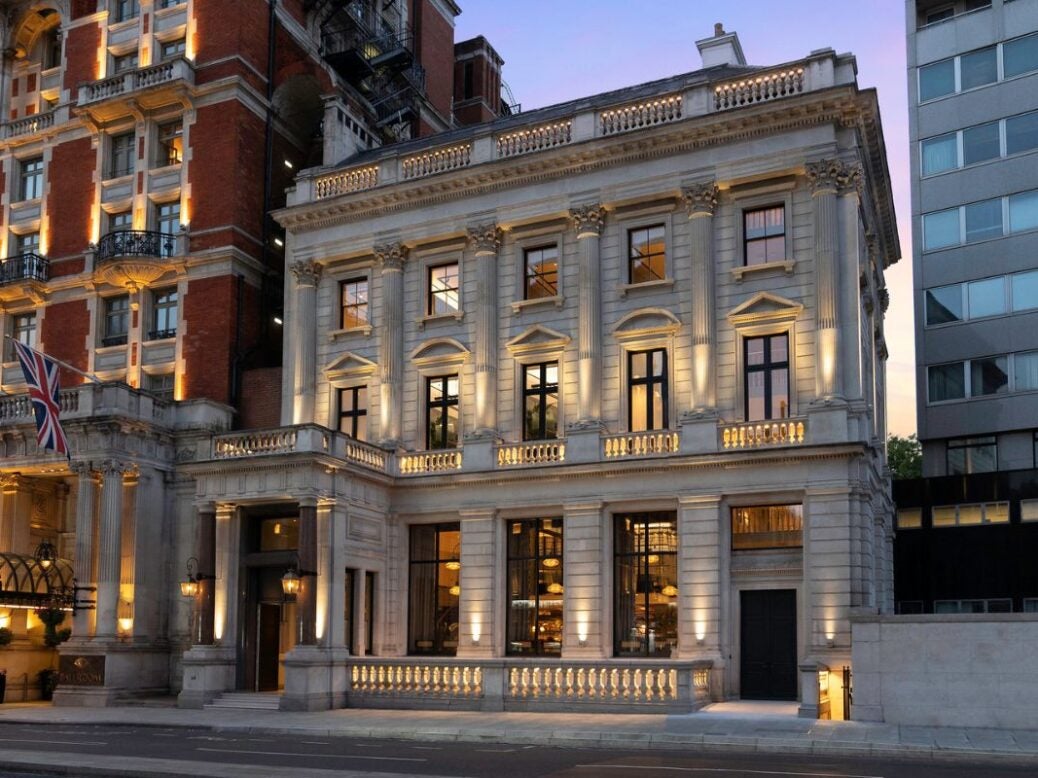
For those who thrive on conversation and networking, Pavilion Knightsbridge is the group’s social heart. Overlooking Hyde Park, it combines interior designed co-working spaces with an atrium bar and one of the busiest events calendars in the group’s portfolio. It can accommodate a day’s worth of events, from morning meetings and afternoon catch-ups to evening drinks.
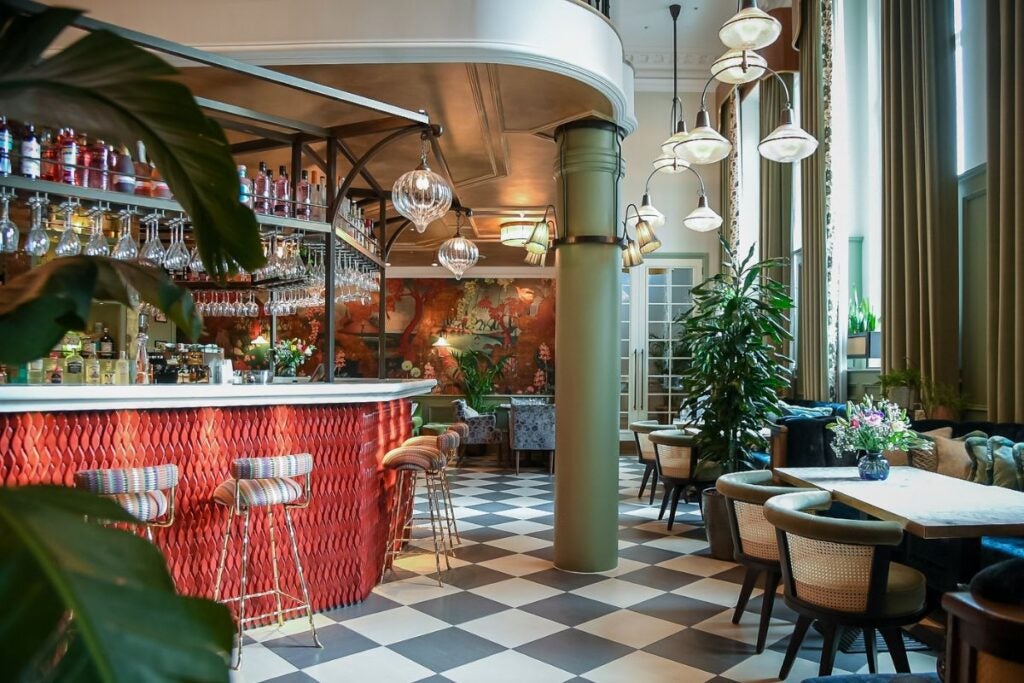
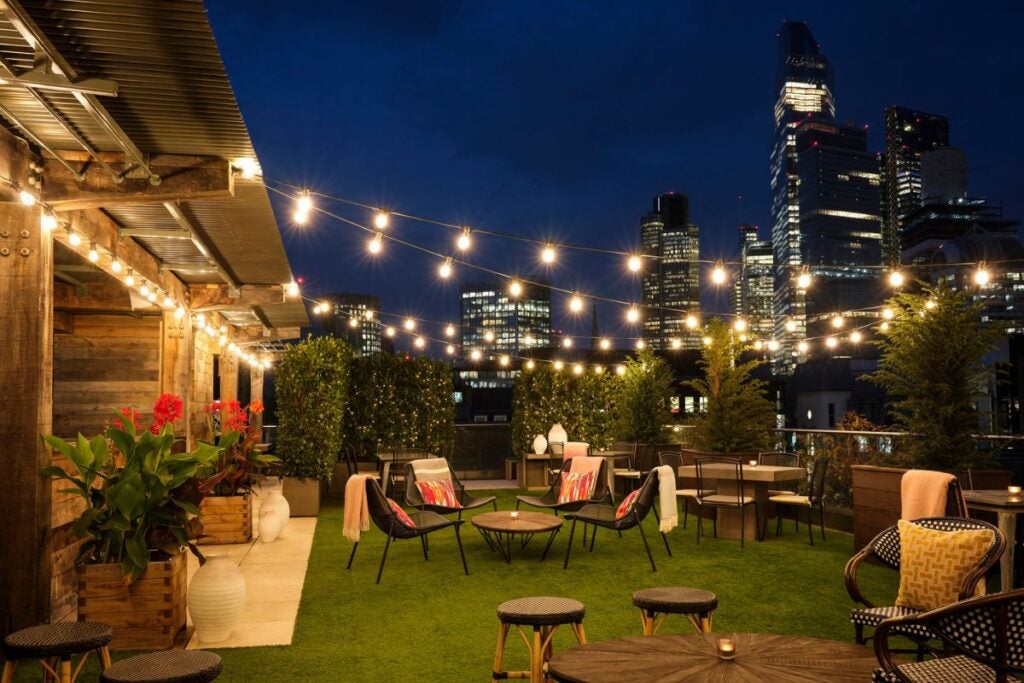
In contrast, Pavilion City was designed with the pace and work-centric nature of London’s financial district in mind, according to the group. Industrial interiors, natural light and two rooftop terraces with panoramic views across the City of London create an environment suited to both work and entertaining. It offers a base for professionals who want to remain immersed in the energy of the City while enjoying the comfort and discretion of a private club.
Content from our partners



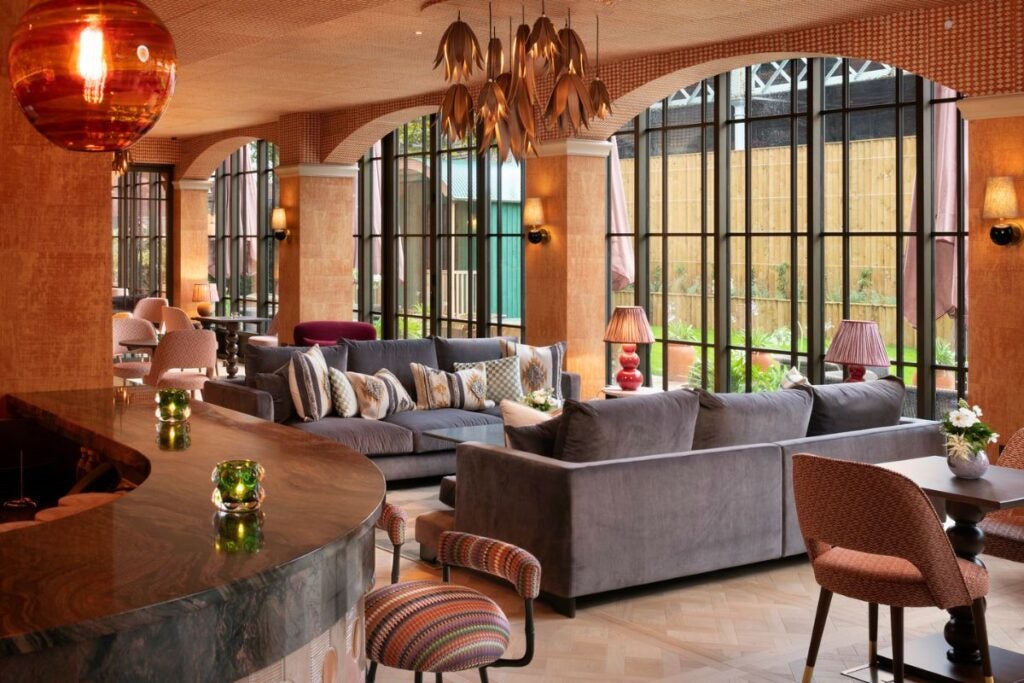
The group’s newest location, Pavilion Fulham, brings a more neighbourhood-led approach. Newly refurbished and located a walking distance from the Thames, it combines co-working areas with a bar, restaurant and garden. It was opened with the intention of appealing to entrepreneurs, creatives and professionals seeking a work and social space close to where they live.
While Pavilion Fulham serves those who live further into west London, Pavilion Kensington best serves those living in Chelsea, Notting Hill and Holland Park, among other areas. Situated beside The Ivy Kensington Brasserie, it has long served people looking for a discreet space to work amid the hustle and bustle of the West End.
Individuals, businesses and larger corporate teams can choose from a range of membership options, including access across all four clubs or membership granting access to a single location.
[See also: Why the rich continue to bet on bricks]
Beyond the workspace itself, Pavilion places considerable emphasis on choreographing a busy social calendar for its members. Throughout the year, members can attend events surrounding networking, culture, wellness and entertainment. Upcoming highlights include The Signal Experience with hypnotherapist Nick Lees, alongside the Balearic x Pavilion Summer Party Takeover at Knightsbridge. The club also hosts screenings of Wimbledon tennis every year.
Membership extends beyond London through a carefully selected portfolio of lifestyle partnerships.
As well as providing access to the London clubs, membership at Pavilion comes with other benefits. Members can gain access to Wilderness Reserve, a 6,000-acre Suffolk estate owned by Ocubis. The group also maintains partnerships with private jet and helicopter charter company Thunder Aviation, Mandarin Oriental and luxury lifestyle brand Bamford.
In London, places for work and leisure are often separate, with some private members’ clubs prohibiting the use of laptops within their grounds. Across its four clubs, Pavilion aims to bridge this gap.
To find out more, visit Pavilion Club