Belgravia, Notting Hill, Chelsea. It’s probably a little unkind, but not wholly inaccurate, to say West Kensington’s proximity to these leafier, more affluent areas has been core to its appeal in recent decades.
However, a £11.8 billion regeneration of the area is underway and could go a long way to narrowing the gap between West Kensington and its more well-heeled neighbours.
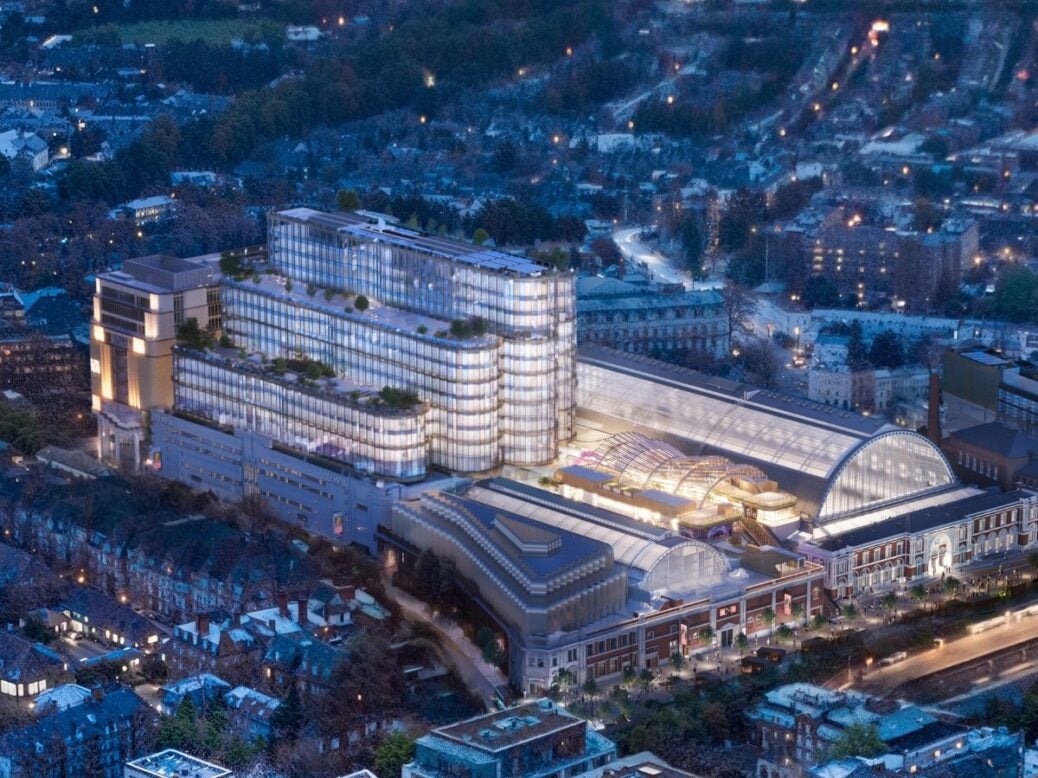
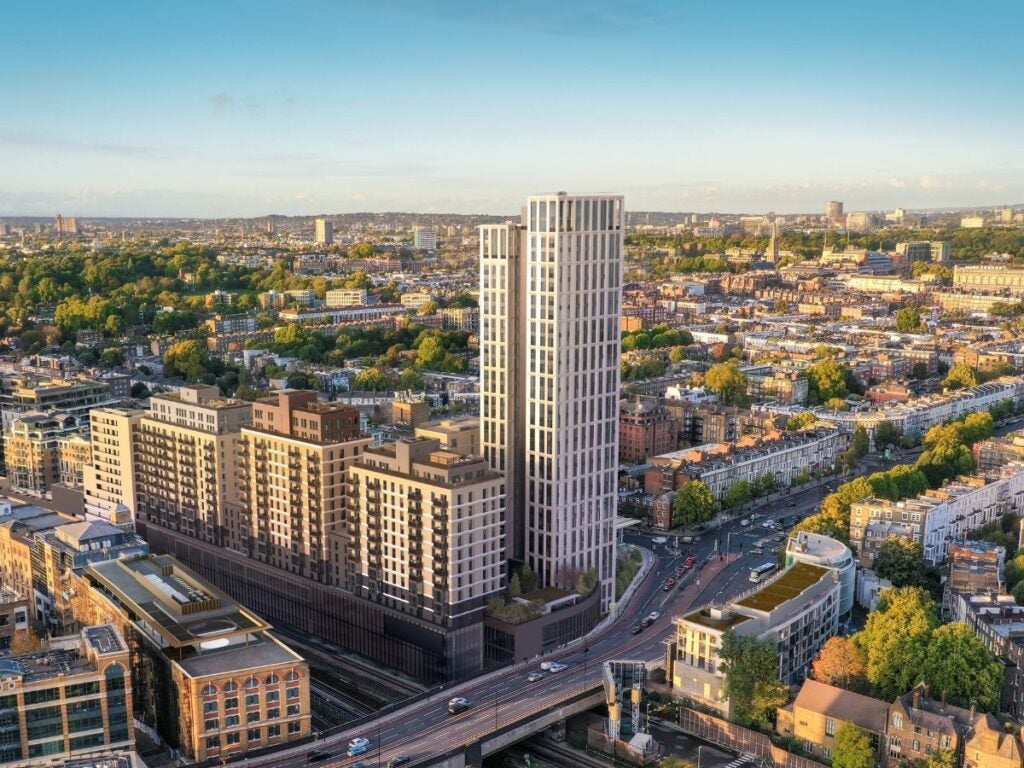
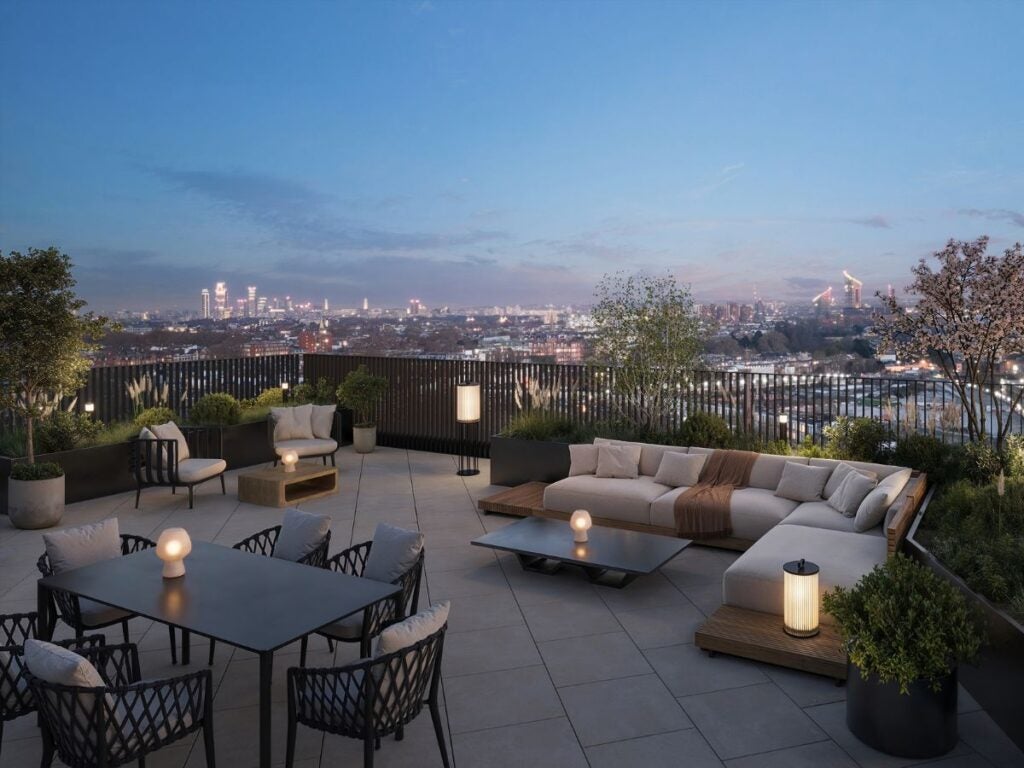
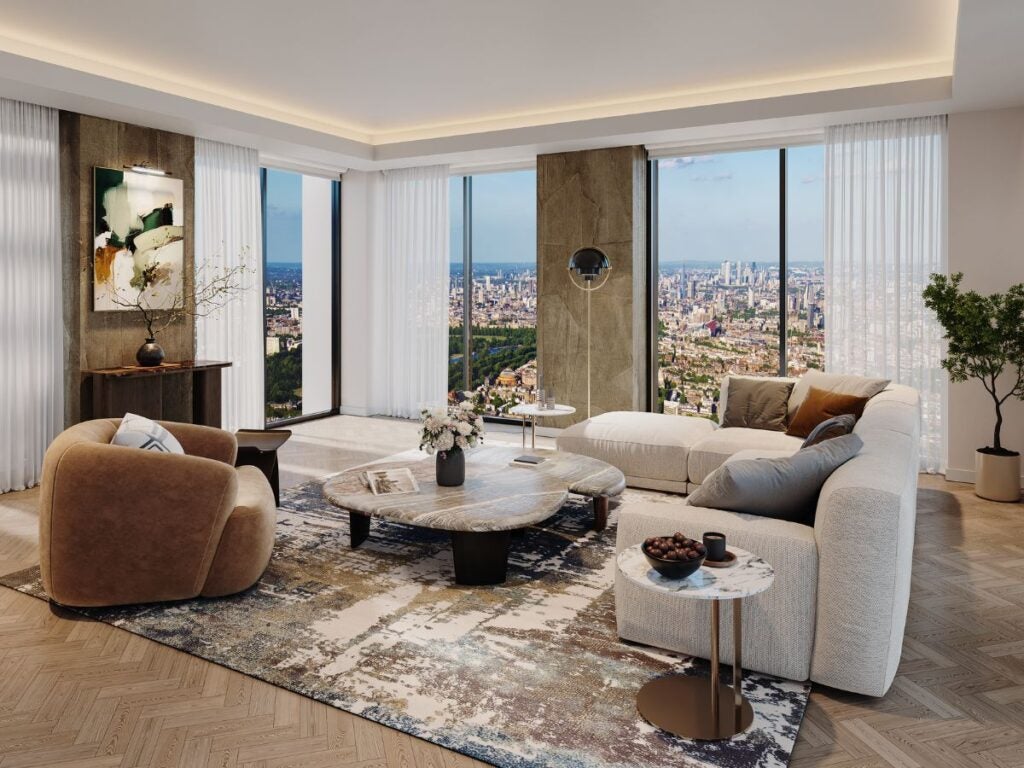
The regeneration is really three regenerations: £10 billion of investment into Earl’s Court, £1.3 billion of investment into the former exhibition centre Olympia, and 100 Kensington – a £500 million 29-storey residential tower with 462 new homes.

[See also: The best property investment, finance and management services in 2026]
Related

At an event in London this week to address the future of West Kensington, Marcus Dixon, JLL’s UK head of residential research, told attendees that the paucity of new developments in desirable parts of London make the three projects an unusual case.
‘We’ve got to think about the scarcity value in London, and particularly in established parts of West London. There just aren’t the sites. There isn’t the potential to keep building that there are in some other locations,’ he said.
Neil Rollason, a tax consultant with CN Tax Dispute Resolutions and a former deputy director at HMRC, told attendees to watch the Labour government’s budget closely when it’s delivered on October 28.
‘They need more money. They’ve already said they’re thinking about changing the triple lock, but that won’t release enough money to pay for what they say it’s going to pay for,’ Rollason said.
Content from our partners



‘The money has got to come from somewhere, and that’s where taxation comes in. IHT (inheritance tax) is one they can play with. There’s stamp duty, but I think they’re taking the most they can there. Capital gains tax is possibly the one they’ll focus on.’
[See also: Private investors: the catalyst in the commercial real estate recovery]
With so many moving parts, there are understandably several different players involved. SevenCapital, the property developer involved in 100 Kensington, told Spear’s that £1,700 was the average price per square foot for properties in the tower, and that £40 million of property had been sold to date. JLL and Savills are joint selling agents for the site.
Olympia is the brainchild of Yoo Capital – a real estate firm founded by John Hitchcox and Lloyd Lee in 2010 – and Deutsche Finance International (DFI), a private equity real estate firm.
Yoo Capital is known for ‘The Lakes by YOO’, a luxury 850-acre Cotswolds retreat with cabins, apartments and houses, including one five-bedroom property with interiors designed by Kate Moss. The Olympia site also includes the office building One Olympia, a design collaboration from the architects SPPARC and Thomas Heatherwick’s firm Heatherwick Studio.
James Moody, SevenCapital’s chief operating officer, told Spear’s that while the £11.8 billion regeneration is the largest in inner London, the disparate parts of the West Kensington redevelopment distinguishes it from recent projects like Battersea Power Station or Coal Drops Yard near King’s Cross.
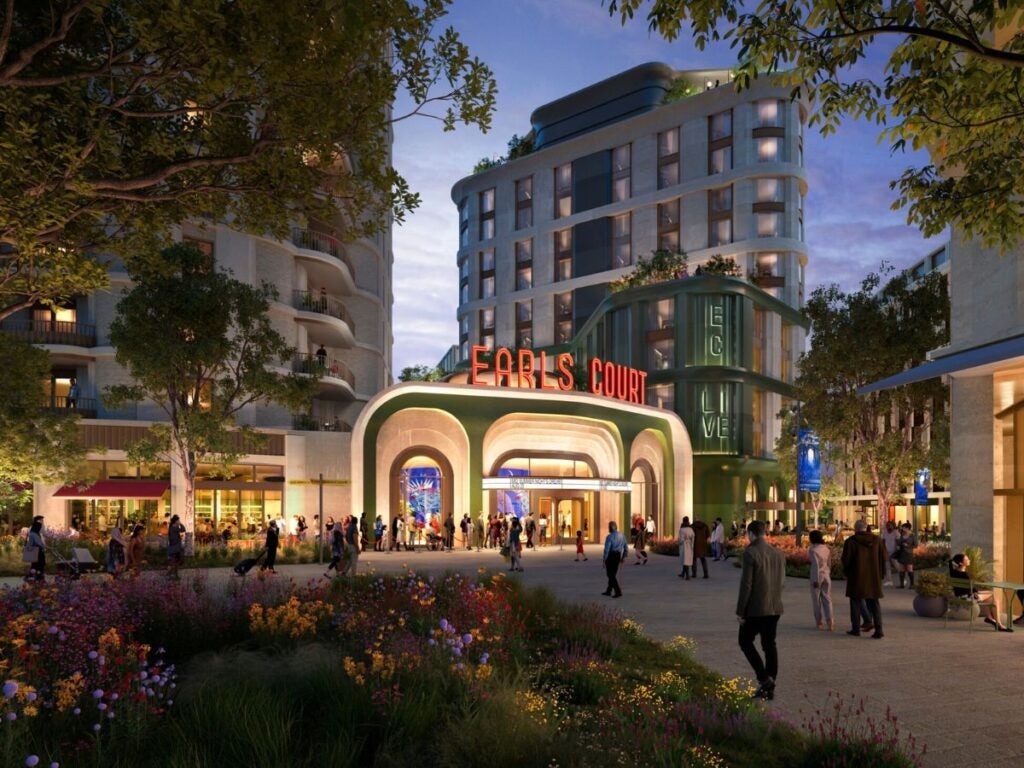
‘I think Olympia will probably become the point of identity here, but it hasn’t quite got there yet,’ he says. ‘From a wealth point of view, I’d say it’s a good early time to get involved before it gathers full momentum. I think it’s still quite early days in terms of the identity of the area coming together.’
The coherent theme binding the three West Kensington projects together appears to be empowering the area to compete with the rest of the borough.
West Kensington’s property prices are about a fifth below the borough average, according to a report from the analytics company PriceHubble. The same report found that when the regeneration is completed, it’s expected to inject £3.6 billion annually into the local economy.
The project’s proponents argue this will narrow the gap between West Kensington and the likes of Fulham and Chelsea, but it seems that this gap may be narrowing anyway – only from the other direction.
The value of properties in prime central London have fallen steadily for several years. Katy Warrick leads Savills’ London residential research team and told Spear’s that the triple impact of Brexit, Covid-19, and the non-dom regime coming to an end had been ‘detrimental to high-value property in London’ and led to ‘a number of successive price falls through that period’.
‘The areas within our prime central London index are currently 27 per cent below their 2014 peak,’ Warrick said. ‘That gap between where central London sits and the rest of London is narrowing.’
A redeveloped West Kensington coinciding with price falls on prime properties nearby means that the notion of a West Kensington on par with the likes of Chelsea and Notting Hill might not be as far-fetched as it appears.
[See also: Will the mansion tax hurt prime property prices?]
The blizzard of marketing underway to promote West Kensington to prospective buyers is not the area’s first. What is now West Kensington tube station opened in 1874 and triggered a wave of development.
A property market depression brought this to an abrupt end in the 1880s. All involved in West Kensington’s current regeneration will be hoping for better fortune this time around.