
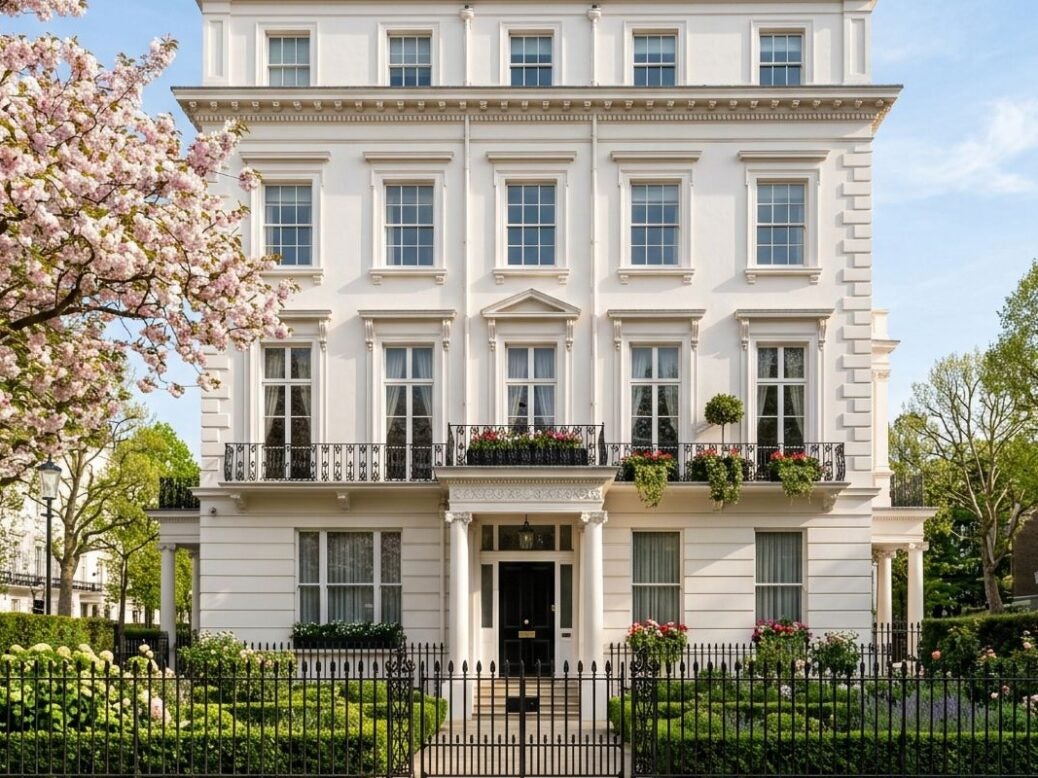
Deciding where and when to purchase super-prime property has long been more than a lifestyle choice. For UHNW buyers, high-end homes are also a strategic asset: a hedge against volatility and, increasingly, a barometer of confidence in a jurisdiction’s political and fiscal direction.
The 2026 Spear’s Property Survey draws on insights from more than 60 experts advising wealthy buyers. Its findings suggest that a wide range of considerations are weighed when UHNWs decide where to hang their hats
While tax considerations have often loomed large, the experts pointed to lifestyle and education as the most important drivers of purchasing decisions. Over 80 per cent of respondents scored these factors as worth either four or five on a five-point scale. This appears to underscore the enduring role of family needs in shaping where wealth ultimately settles.

An unlikely winner
In terms of desirability, Dubai and, perhaps surprisingly, the Maltese city of Valletta ranked as the top two from a smorgasbord of global locations that we put in front of our survey respondents. Some 69 per cent and 62 per cent of respondents ranked these cities, respectively, as either a four or a five on a five-point scale. When considered as an investment proposition, however, the hierarchy shifts.
Related
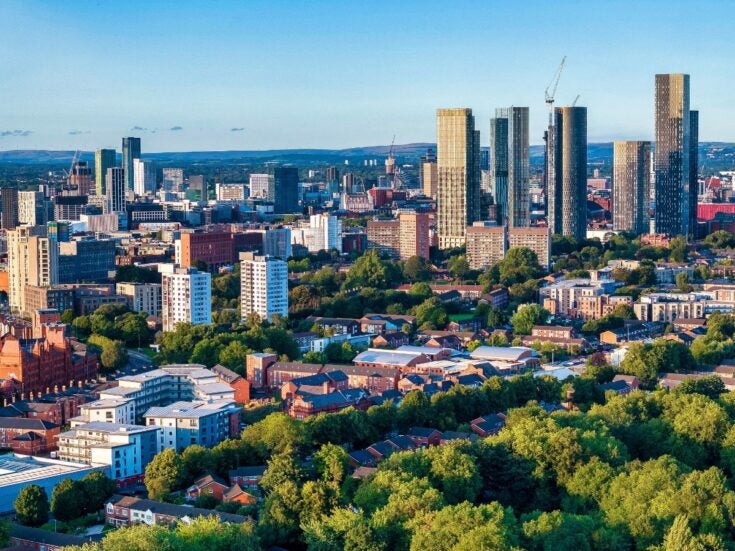


Valletta scored most highly on that front (76 per cent of respondents gave it four or five), meaning its combined score for desirability and investment potential put it in first position overall. Malta has a long-standing remittance-based tax framework for international residents, the absence of inheritance tax, a stable regulatory environment and a lighter property tax burden than many other European countries.
London was in second place for investment potential (61 per cent of respondents scored it four or five) – significantly ahead of places often mentioned as a destination for those fleeing the clutches of the UK taxman, such as Dubai, Abu Dhabi and Milan.
Content from our partners



‘For UHNW buyers, London continues to offer stability and relative liquidity at the top end of the market,’ says Hannah Aykroyd of London agency Aykroyd & Co. ‘Periods of uncertainty often reinforce London’s position, as more nuanced pricing creates certain opportunities. Demand remains driven by long-term strategy rather than short-term sentiment.’
But London’s property market, while highly resilient, presents its own complexities for UHNW investors. High-value transactions and evolving fiscal and political pressures mean that navigating super-prime deals requires expertise and diligence. Against this backdrop, questions of professional standards and licensing for UK super-prime brokers have come into focus.
Licence to sell
Property experts overwhelmingly support introducing regulation for UK super-prime brokers, with 81 per cent agreeing that a professional licence similar to the system employed in the US is desirable.
Some, including Black Brick founder Camilla Dell, believe discussions around regulation are long overdue. ‘Professional training leading to a recognised qualification and ongoing support should have happened a long time ago,’ says Dell. ‘It amazes me how anyone in the UK can work in an estate agency with no training.’
Georgina Haddon, partner at law firm Forsters, says the wider political landscape has only intensified the problems the property sector faces: ‘The pressure on agents to close deals is particularly high, which is likely to result in a handful of brokers endeavouring to go to any lengths to ensure their transactions go through.’
Red tape wariness for super-prime agents
While there is a broad consensus that some form of licensing is necessary, respondents emphasise the need to avoid excessive red tape.
Ned El-Imad, founder of property advisory firm London Wall, sounds a note of caution on regulation: ‘I believe that the UK and Europe are suffering from excessive regulation which constrains business. Requiring UK agents to be regulated would be yet another layer of regulation in an already heavily regulated environment. I consider in business that America innovates, China replicates and the UK and Europe regulate.’
[See also: The best prime property buying agents in 2026]
Despite the complexities and regulatory questions facing the market, 71 per cent of respondents expect the UK superprime market to be stronger in 2026 following a challenging 2025. Last year uncertainty around the introduction of a so-called mansion tax, the abolition of the non-dom regime and the chancellor’s decision to delay the Autumn Budget until 26 November stymied transactions.
Volumes at nearly all price points in and around prime central London fell sharply, with some locations seeing price reductions of up to 30 per cent, according to Aston Chase founder Mark Pollack. However, Pollack adds, ‘When the Autumn Budget was significantly less onerous than had been feared by many, it immediately resulted in a spate of stalled deals going through and many more being agreed.’
UHNWs return to London
There are also opportunities in the UK that many international buyers are only now beginning to fully grasp. The introduction of the FIG regime – which offers a four-year tax exemption on foreign income and gains for qualifying new UK residents – has helped restore some confidence that the UK can be a welcoming location for wealth creators.
Sophie Rogerson, 2025 Spear’s Award winner and managing director at RFR Property, has seen this come into play over the past year: ‘It has taken some time for the benefits of the new FIG regime to be fully understood and appreciated by the private client community in the UK and overseas, but now that the word has spread, we are starting to see an enthusiastic uptake of new arrivals who will put down roots again in London.’
For many buyers, 2025 was less a retreat from London than a period of strategic waiting. ‘Obviously the drivers of death, debt and divorce keep the market moving even in less buoyant times,’ says Laura Conduit, partner at law firm Farrer & Co, ‘but I would expect 2026 to see action from those calling at the bottom of the market and looking to invest, as well as those who have been watching and waiting for the right time for a personal move.’


