

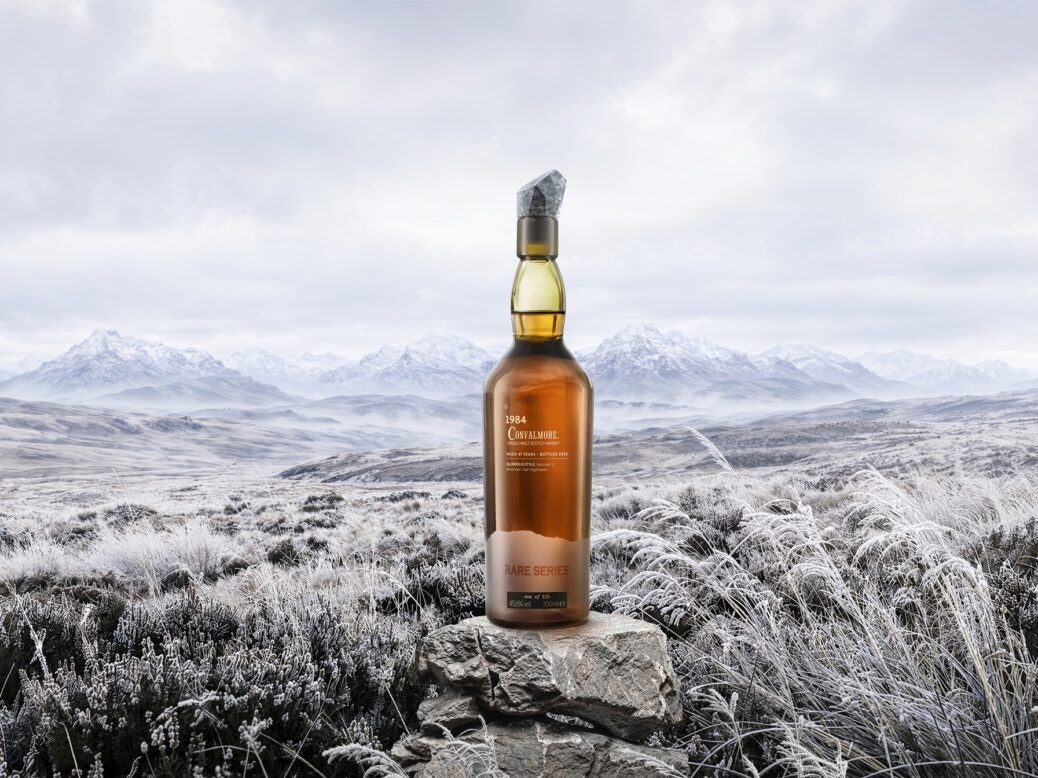
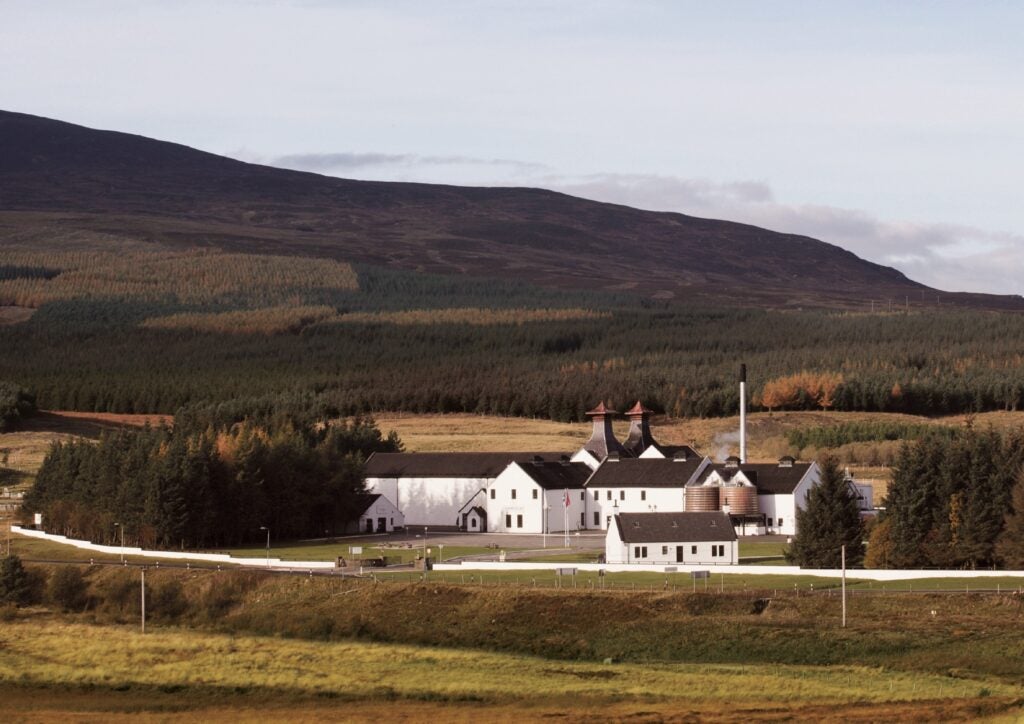
Diageo launched its Rare Series of single-malt whiskies in the spring of 2026, promising it would be an ever-evolving showcase rather than an annual collection. True to its word, it has released two new bottlings: a 36-year-old Dalwhinnie from 1989, distilled at the highest and coldest working distillery in Scotland; and a 41-year-old whisky from the Speyside ghost distillery Convalmore, which closed in 1985, not long after this was distilled in late December 1984.
Single-malt Scotch whisky is defined by the romance of history and the sense of place, but it is also governed by numbers – age statement, alcohol percentage, fermentation time, distilling temperature. With a large whisky group such as Diageo, the numbers can be huge – 31 currently operating distilleries and nearly 11 million casks maturing in its warehouses – but they can be small: those two whiskies, added to just five, forming the current lineup of Diageo’s Rare Series, an ongoing collection of single-malt treasures found in that vast inventory.
Dr Craig Wilson, master blender of the Diageo Rare Series, says, ‘It’s an opportunity, actually a privilege, to unearth the exceptional Scotch whiskies from among the thousands of cask samples we try each year and showcase rarity, diversity, and meticulous craftsmanship.’

The sheer scale of Diageo’s operations means that there are actually 12 master blenders at work, maintaining a wide spectrum of blended whiskies, including some highly sought-after ones, while also ensuring the consistency of core age-statement ranges of well-known single malts and developing limited-edition products.
[See also: The best whisky advisers in 2026]
Ewan Gunn, senior global brand ambassador for Diageo’s luxury Scotch whisky, explains: ‘Occasionally, in the course of that varied work, they come across one cask, or a batch, that is spectacular, but just a little bit different, so they feel these should be earmarked, monitored and used elsewhere. Other times, Craig goes looking for something, because he wants to find something special that reveals another facet of these jewels that we haven’t highlighted yet.’
Unlike previous collections of Diageo rare whiskies, Rare Series has neither a set number of bottles in each release nor – despite the happy coincidence of a winter connection here – a particular theme, other than sheer quality. ‘It’s a series that evolves over time. Only when candidate whiskies are ready and we think they’re at their peak point will we bottle them,’ says Gunn.
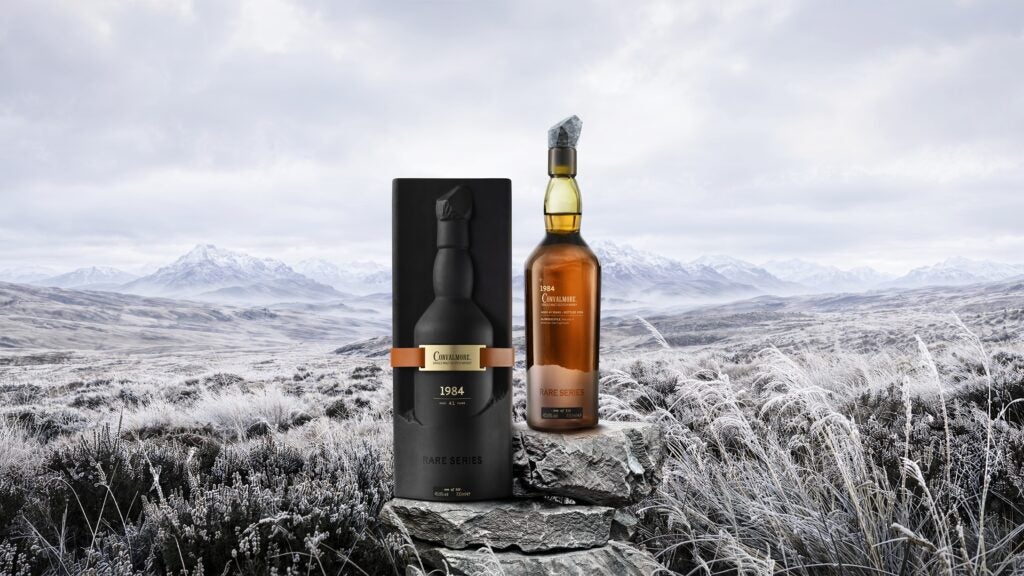
The restrained presentation – no plinths and decanters here, just attractively etched bottles, granite stoppers and a simple protective case held secure with a leather strap – emphasises that the investment here is in the liquid. Nor is the focus on famous distillery names, as Gunn points out. ‘In the first group of five whiskies we released in the spring of 2026, we had a Talisker, a globally recognised brand. But we also had a Blair Atholl – a phenomenal whisky from a wonderful distillery, but certainly not one of our most well-known brand names. And, this time, outside of the whisky fan community, Dalwhinnie isn’t a massive global name.’
[See also: Charles Finch is bringing his ‘megaton charm’ to Mayfair]
Within the fanatic community, Dalwhinnie is known for its particularly honeyed character – when it is well aged. When young, it is meaty and heavy, especially if distilled in winter. Vapour from the still hits the copper coils of the outdoor wormtub condensers and the surrounding ice-cold water immediately turns it to liquid, with minimal copper contact to strip out punchy, sulphurous flavour compounds. It takes over 10 years of maturation to transform it into that sweet, unctuous whisky.
However, this Dalwhinnie 1989 Rare Series is something else. Between 1986 and 1995, the distillery used shell-and-tube condensers, which compensated somewhat for the cold. ‘The result,’ says Gunn, ‘is a lighter, more elegant style of Dalwhinnie.’
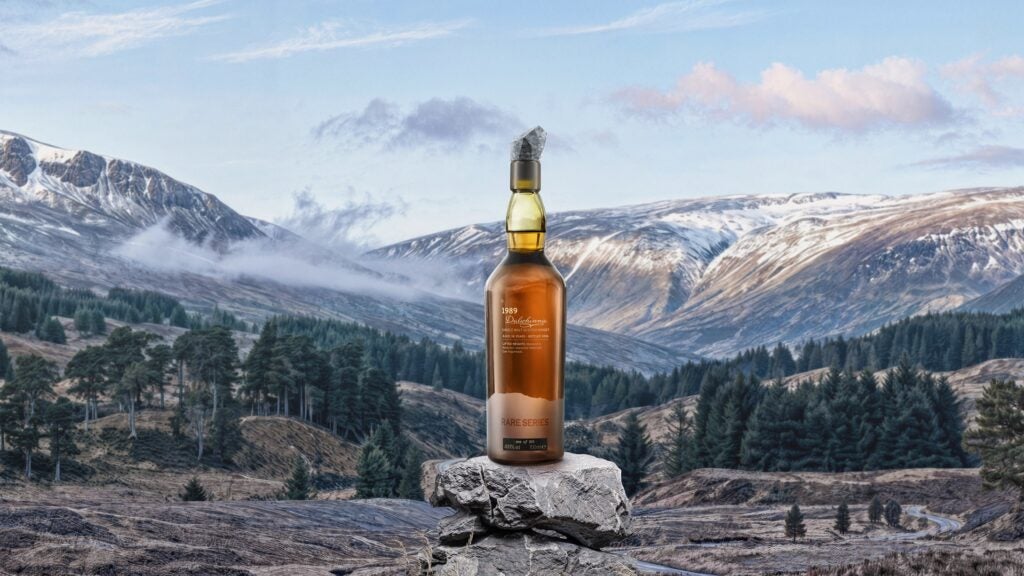
Wilson describes it as ‘sweetly fragrant, with a top note that offers a floral, honeycomb-laced scent that is both bright and dense; then with a smoothly rounded, mouth-filling, creamy texture.’
Not unrecognisably Dalwhinnie, but a clear divergence. The same was true of the 42-year-old Caol Ila from the first five releases. Back in 1983, some of the Islay distilleries would distill unpeated barley for a month a year. Hence this vibrant, fruity whisky with very little of the expected Islay iodine and charring (the smoke was never fully removed from the system).
As well as being celebrations of past methodology, these whiskies are testament to the ongoing nurture of casks up until the moment of bottling. The singularity of this Dalwhinnie 1989 Rare Series is due to a decision of Wilson’s towards the end. Filled into ex-bourbon casks originally – so far, so conventional – this whisky was then reracked to Amoroso-seasoned American oak hogsheads for the last four of its 36 years. The cream sherry adds subtle spice and dried fruit notes and ups the silkiness even more.
[See also: ‘Soft power on a plate’: the reborn Simpson’s is proof London hasn’t lost its shine]
Because it is not restrained by specific themes or rules, Rare Series whiskies don’t have to be untouched after discovery – all that is required is that the best liquid outcome is achieved. In the case of the Talisker Rare Series 1992, a decision taken by blenders in the early 2000s to transfer to those Amoroso-seasoned casks was respected.
However, Wilson interceded in the life of a 55-year-old Glenury Royal 1970 in an unusual way. He explains: ‘We vatted several American oak barrels into one European oak cask and placed it in a particularly well-insulated warehouse where there is low humidity. It actually lost water rather than alcohol; the whisky concentrated, with a really intense and spicy character.’
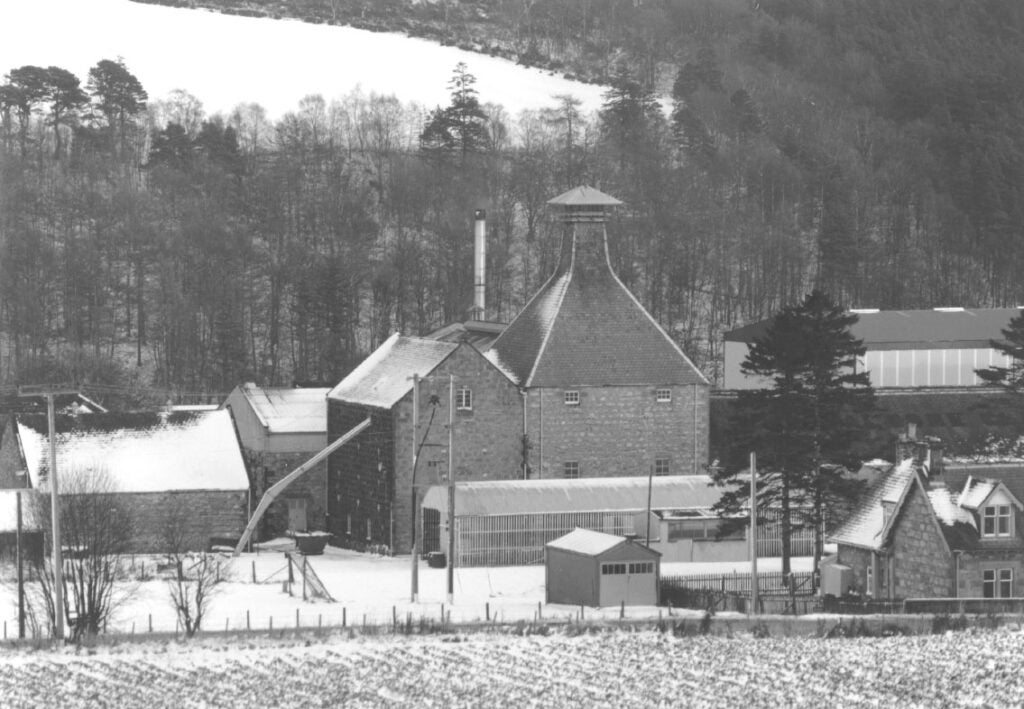
Glenury Royal is a ghost distillery and those have always been Diageo’s aces in the hole for rare releases. The most famous lost distilleries, Port Ellen and Brora, are reborn now, so they tend to release their own ghost stock. However, Diageo also owns stock from several other distilleries closed by its predecessor, Distillers Company, in the mid-1980s. And, just as Rare Series puts the spotlight on less well-known distilleries that are currently active, it does the same for less familiar ghosts, such as Glenury Royal and Convalmore.
The new Convalmore 1984 Rare Series comes from some of the last barrels ever filled in that Dufftown distillery, in December of that year.
[See also: How Merlot became Bordeaux’s quiet investment darling]
Convalmore is like an artist who was never celebrated in their lifetime (except by blenders who valued it as a building block). Its two most notable characteristics were a long fermentation that produced tropical fruit notes, and a pronounced waxiness – both as an aroma and in texture. Both are highlighted here. This whisky clings to the upper palate to deliver lingering notes of ripe mango and papaya, as well as fresh banana.
Gunn says, ‘I think whiskies from ghost distilleries make people pause and think a little bit about the fact that eventually it will be gone and there will be no more.’ But, whether it is a whisky from dwindling ghost stocks, one that underwent an intriguing maturation, a snapshot of an unusual period in a distillery’s history, or simply a wonderful dram that displays the best of famous or lesser known brand, these are unarguably rarities that are worth spending time to contemplate and enjoy.
See more here.
Convalmore 1984 Rare Series 41-Year-Old; 45.6% ABV ; limited to 310 bottles; $3,000 (ex tax). Dalwhinnie 1989 Rare Series 36-Year-Old: 49.9% ABV; limited to 305 bottles; $1,300 (ex tax). Because of the extreme rarity of these liquids, Rare Series bottlings are available exclusively through Diageo’s Private Client team, including the specialists at Justerini & Brooks which recently returned to its townhouse at 61 St James’s Street in London. To register interest in acquiring bottlings from the Rare Series, visit rare-series.com.


